
How Stainless Steel Conveyor Belts Help Manage Different Stages of Product Preparation

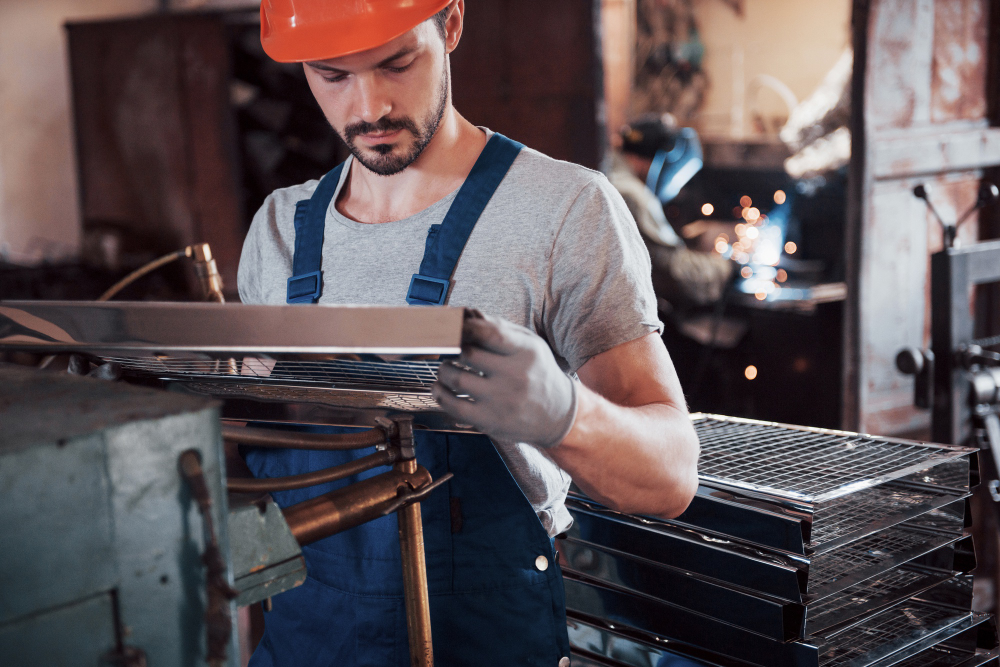
Before reaching store shelves, many consumer goods go through several stages of preparation and production. These may include treating raw materials, checking product quality, assembling components, and preparing finished items for distribution. Although consumers rarely see these operations, the movement of products between stages plays an important role in keeping production organised. Conveyor systems help manage this movement, and a stainless steel conveyor belt can be particularly useful in environments where cleanliness, durability, and reliable performance are important.
From Raw Materials to Finished Products
The journey of a product usually begins with raw materials or individual components. These materials must be transported to processing areas, prepared for production, and moved through different stages without unnecessary delays. In facilities handling large quantities, manual transportation can require considerable time and may introduce inconsistencies into the workflow.
Conveyor systems provide a practical way to move materials along a defined route. By linking separate stages of a production line, they allow materials to move between tasks with fewer manual transfers and less disruption to the workflow. The type of conveyor used depends on factors such as product weight, dimensions, operating conditions, and production requirements. For applications involving heat, moisture, or frequent cleaning, metal conveyor belts may offer advantages over some alternative materials.
Why Stainless Steel Matters in Product Handling
The material used in a conveyor belt affects its suitability for particular working conditions. Stainless steel is widely used in equipment manufacturing because of its corrosion resistance, strength, and ability to withstand many demanding environments. These properties make it a practical option for applications where equipment must remain functional through repeated use and regular cleaning.
A stainless steel conveyor belt can be found in various configurations, including woven wire mesh and other metal belt designs. Open mesh structures allow air and liquids to pass through, making them useful for processes that involve drainage, drying, cooling, or heating. Other configurations may be better suited to supporting smaller products or providing a more continuous conveying surface.
The appropriate design depends on the application rather than the material alone. Stainless steel grades differ in their resistance to corrosion and chemicals, so the operating environment must be considered when selecting equipment.
The Role of Conveyor Belts in Food and Household Products
Food products provide a clear example of how conveyor systems support everyday manufacturing. Depending on the product, manufacturing operations may involve cleaning, heat treatment, temperature reduction, moisture removal, and preparation for final packing. A suitable metal belt can help move products through these stages while accommodating the required operating temperatures and cleaning procedures.
Stainless steel is often selected for food-related equipment because it can withstand frequent cleaning when the correct grade and finish are used. However, hygiene also depends on belt construction, joint design, drainage, cleaning access, and proper maintenance. Simply using stainless steel does not automatically make a conveyor system hygienic.
Similar considerations apply to household and personal care products. Bottles, containers, and other packaged items must move between filling, inspection, labelling, and packing stations. A well-designed conveying system helps keep products moving in an organised sequence and can reduce the need for repeated handling.
Supporting Quality and Consistency
Product quality depends on several factors, including the conditions under which goods are processed and transported. Poorly matched conveying equipment may cause products to shift, become damaged, or accumulate at transfer points. These problems can interrupt production and increase material waste.
Choosing a belt that matches the product’s size, shape, weight, and processing requirements can help maintain consistent movement. Belt speed, mesh opening, surface characteristics, and transfer arrangements all influence performance. For delicate or small items, the spacing between wires or other belt components must be appropriate to prevent instability or loss during transportation.
Conveyor systems do not guarantee consistent product quality on their own, but suitable design and correct operation can help reduce avoidable handling problems.
Improving Efficiency Without Creating More Waste
Modern production involves balancing speed with resource use and equipment reliability. Frequent stoppages, excessive product handling, and premature component replacement can increase operating costs. Conveyor belts that suit the working conditions can support a more predictable production flow and reduce some of these inefficiencies.
Maintenance also plays an important role. Regular inspections can identify damaged wires, worn components, alignment problems, and material buildup before they cause larger disruptions. Cleaning and servicing should follow the manufacturer’s recommendations and reflect the demands of the application.
Durability can contribute to more responsible resource use when equipment remains serviceable for longer and requires fewer replacements. Nevertheless, the overall environmental impact depends on several factors, including manufacturing, energy consumption, maintenance, and the eventual disposal or recycling of components.
Choosing the Right Conveyor for the Job
Selecting a conveyor belt requires more than comparing materials or purchase prices. Businesses should consider operating temperature, load capacity, product dimensions, exposure to moisture or cleaning chemicals, required belt speed, and sanitation needs. Compatibility with the conveyor’s drive system, support structure, and tracking arrangements is equally important.
A belt designed for high-temperature processing may have different requirements from one used for packaging or product inspection. Consulting technical specifications and following installation guidance helps ensure that the selected system meets practical operating needs.
Conclusion
The journey from raw materials to finished products involves many interconnected steps, and reliable material movement helps keep those steps organised. A stainless steel conveyor belt can support this process by providing durability, accommodating demanding operating conditions, and meeting cleaning requirements in suitable applications. Its effectiveness ultimately depends on selecting the right design and maintaining the complete conveyor system properly.
Wire Belt offers a range of belt designs intended to meet the varying demands of industrial processing and product transportation. Understanding the role of belt materials, design, and maintenance can help businesses make informed equipment choices and keep everyday products moving efficiently from production to packaging.