
Sunscreen for Oily Skin: The Complete Guide to Shine‑Free Protection

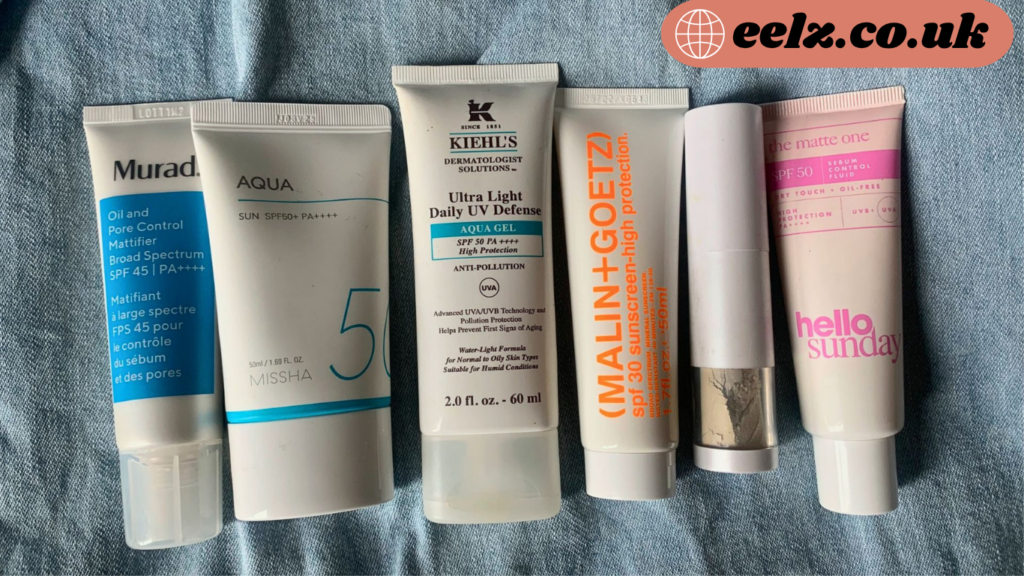
Finding the right sunscreen for oily skin can feel like a compromise between protection and comfort. Many people with naturally shiny complexions skip SPF altogether, fearing a greasy finish or clogged pores. Yet dermatologists agree: daily sun protection is non‑negotiable for every skin type, including oily and acne‑prone skin.
The good news is that modern formulations have come a long way. Lightweight gels, fluid lotions and mattifying mineral sunscreens now deliver broad‑spectrum defence without the heavy, slick feel that once deterred oily‑skinned users. This guide explains what to look for, how to apply it correctly, and which ingredients truly help control shine while safeguarding your skin.
Why Sunscreen Matters for Oily Skin
Oily skin is not exempt from sun damage. In fact, UV exposure can worsen several concerns common to this skin type. Unprotected time in the sun deepens post‑acne dark marks, increases inflammation and can even trigger more oil production by impairing the skin barrier.
Sunscreens do more than block UV rays. They also hydrate the outer layer of skin, strengthen the barrier and, in some formulations, offer sebum‑regulating, anti‑inflammatory or antioxidant benefits. For acne‑prone skin specifically, consistent sun protection helps prevent blemishes from darkening and supports faster, more even healing.
Key Ingredients to Seek in Sunscreen for Oily Skin
Choosing the right formula makes all the difference. Certain active and supporting ingredients are particularly well‑suited to oily complexions.
- Zinc oxide: A mineral filter that provides broad‑spectrum protection while being naturally mattifying and non‑comedogenic. It is also anti‑inflammatory, which can help calm existing breakouts.
- Niacinamide: Regulates sebum production, refines pores and soothes redness, making it a valuable addition to SPF for oily skin.
- Silica: A lightweight powder that absorbs excess surface oil and creates a soft, matte finish without compromising protection.
- Lightweight emollients: Ingredients such as dicaprylyl carbonate and caprylyl methicone provide slip and comfort without a heavy, greasy feel.
- Humectants (in moderation): Glycerin, hyaluronic acid or panthenol can maintain hydration without adding oiliness, especially in gel or fluid textures.
Dermatologists often recommend mineral or hybrid (mineral plus chemical) sunscreens for oily and sensitive skin, as they tend to be better tolerated and less likely to clog pores.
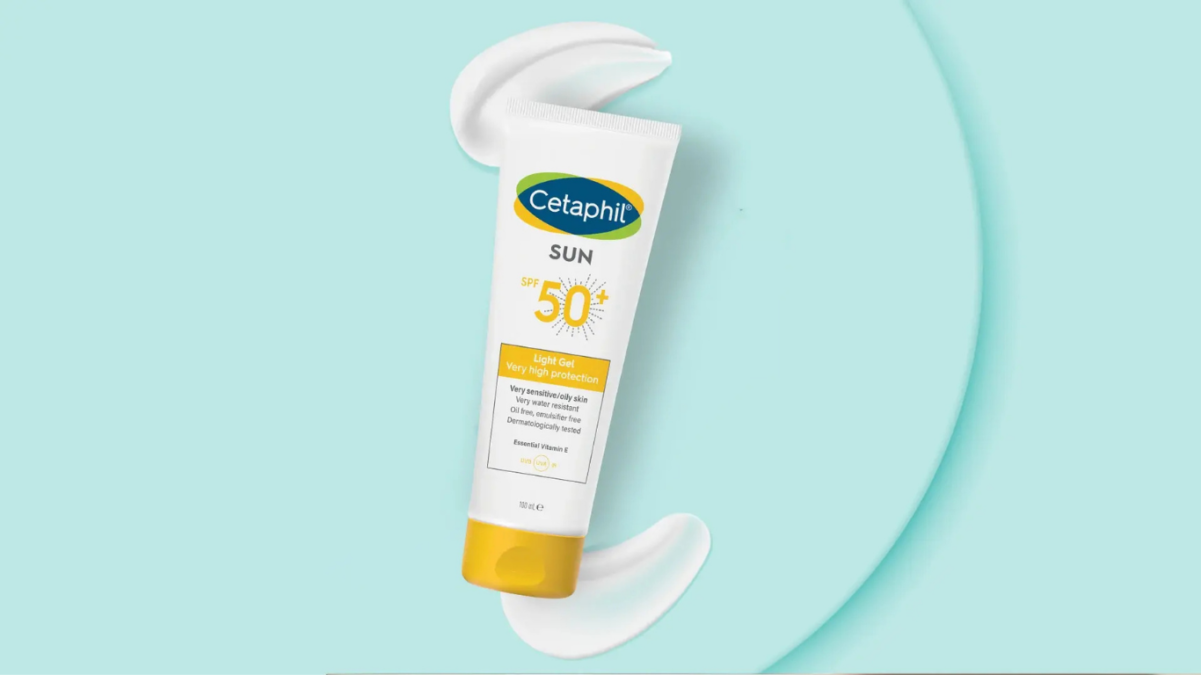
Textures That Work Best
The vehicle matters as much as the filters. For oily skin, the following textures are usually most comfortable:
- Gel or gel‑cream: Fast‑absorbing, breathable and typically non‑greasy.
- Fluid or “invisible” lotions: Thin, milky formulas that sink in quickly and leave little to no shine.
- Matte finish creams: Often contain silica or kaolin to blur pores and control midday glow.
- Tinted mineral options: Can reduce white cast while offering light coverage and oil control.
Heavy, rich creams and thick pastes are more likely to feel uncomfortable and may contribute to congestion on oily skin.
How to Apply Sunscreen for Oily Skin Without Looking Greasy
Application technique influences both protection and finish. A simple, dermatologist‑aligned routine can keep shine in check.
- Start with a clean base
Use a gentle, pH‑balanced foaming cleanser to remove excess oil and impurities. If your skin feels tight after cleansing, follow with a light, oil‑free gel moisturiser and allow it to absorb. - Use the right amount
For face and neck, aim for about half a teaspoon (or the “two‑finger” rule: two full strips along your index and middle fingers). Under‑application can cut effective SPF by up to half. - Dot, then press
Dot sunscreen across forehead, cheeks, nose, chin and neck. Using clean fingertips, gently press each area for a few seconds rather than rubbing vigorously. This helps the film form evenly without disrupting the formula. - Let it set
Wait 90 seconds to two minutes before touching your face or applying makeup. This allows volatile carriers to evaporate and the UV filters to orient properly, improving both wear and protection. - Blot, don’t wipe
If you notice shine later in the day, use a single‑ply blotting sheet to press away oil without disturbing the SPF layer. Avoid wiping, which can redistribute sebum and remove active filters. - Reapply smartly
When outdoors or in strong light, reapply every two to three hours. For touch‑ups over makeup, consider a mineral‑based SPF setting spray or a translucent powder with zinc oxide rather than layering more cream.
Common Mistakes to Avoid
Even well‑intentioned routines can go wrong. These pitfalls frequently undermine sun protection for oily skin:
- Skipping SPF on cloudy days: Up to 80% of UV rays penetrate clouds, so daily use remains essential.
- Using too little product: Most people apply only 25–50% of the recommended dose, drastically reducing protection.
- Choosing overly rich formulas: Thick, creamy sunscreens can trap oil and bacteria, increasing congestion and breakouts.
- Rubbing aggressively: Vigorous massage can cause pilling, uneven coverage and irritation, especially on acne‑prone skin.
- Ignoring the neck and ears: These areas are often exposed but neglected, leading to uneven protection and premature aging.
Quick Product Pointers (UK‑Friendly Options)
While individual preferences vary, several types of products consistently perform well for oily skin in independent tests and dermatologist recommendations:
- Lightweight Korean and Japanese SPFs: Often formulated as airy gels or fluids with niacinamide and silica for a matte, non‑greasy finish.
- Mineral or hybrid “invisible” fluids: Designed to disappear into the skin without white cast, suitable for daily wear under makeup.
- Mattifying day creams with SPF 30–50: Combine sebum‑control actives like niacinamide and silica with broad‑spectrum filters for all‑in‑one convenience.
Look for labels such as “oil‑free”, “non‑comedogenic” and “suitable for acne‑prone skin” to narrow your choices.
Conclusion
Sunscreen for oily skin need not mean sacrificing comfort or accepting a perpetual shine. With the right ingredients, texture and application method, you can achieve reliable, broad‑spectrum protection while keeping your complexion looking fresh and matte throughout the day.
Must Read: Exploring the Blog Blueflamepublishing: A Digital Home for Writers and Readers