
Roof Tear Off Cost UK: What You Could Pay in 2026

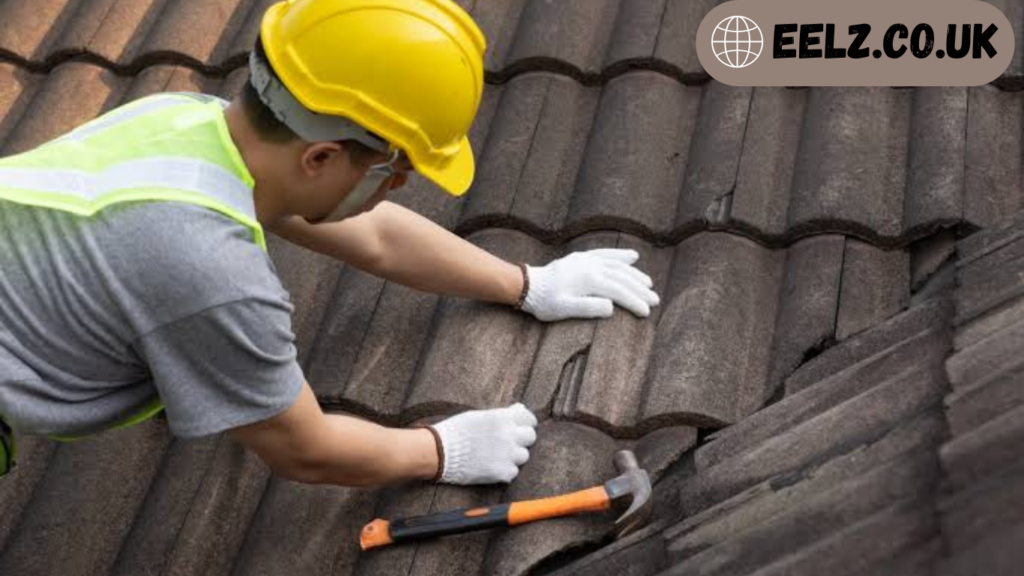
If you are planning a complete roof replacement, understanding the roof tear off cost is an important first step. Removing old tiles, slates, felt and battens is often priced separately from installing the new roof, and the final figure can vary considerably depending on the size, height and condition of the property.
For a typical UK home, roof stripping and disposal commonly costs around £12–£28 per square metre in 2026, although difficult access, several existing layers and heavier materials can push the price higher. A typical 110-square-metre semi-detached roof may cost approximately £2,400–£3,800 to strip, including basic waste handling and related labour.
The work is more than simply lifting off old tiles. A professional roofer must protect the property, remove materials safely, inspect the underlying structure and arrange suitable disposal. Understanding what is included can help homeowners compare quotations fairly and avoid unexpected additions later.
What Does Roof Tear Off Mean?
Roof tear off is the process of removing the existing roof covering before a new roof is installed. On a pitched roof, this might include concrete tiles, clay tiles or natural slate, along with roofing felt, battens, ridge tiles, verge materials and damaged flashing.
The exact scope depends on the roofing system. Some contractors may quote only for removing the visible covering, while others include the complete strip back to the rafters. This distinction matters because a quotation that appears inexpensive may not include membrane removal, batten replacement, scaffold loading or waste disposal.
A proper tear-off usually involves:
- Removing tiles or slates.
- Taking off old underlay or roofing felt.
- Removing timber battens where required.
- Inspecting rafters and the roof deck.
- Stacking or lowering materials safely.
- Loading waste into a skip or grab lorry.
- Sweeping and preparing the roof for new work.
In some cases, a roof can be overlaid rather than stripped completely. However, this is not always suitable. Existing damage, trapped moisture, excessive roof weight or poor ventilation may make a full tear off the safer long-term option.
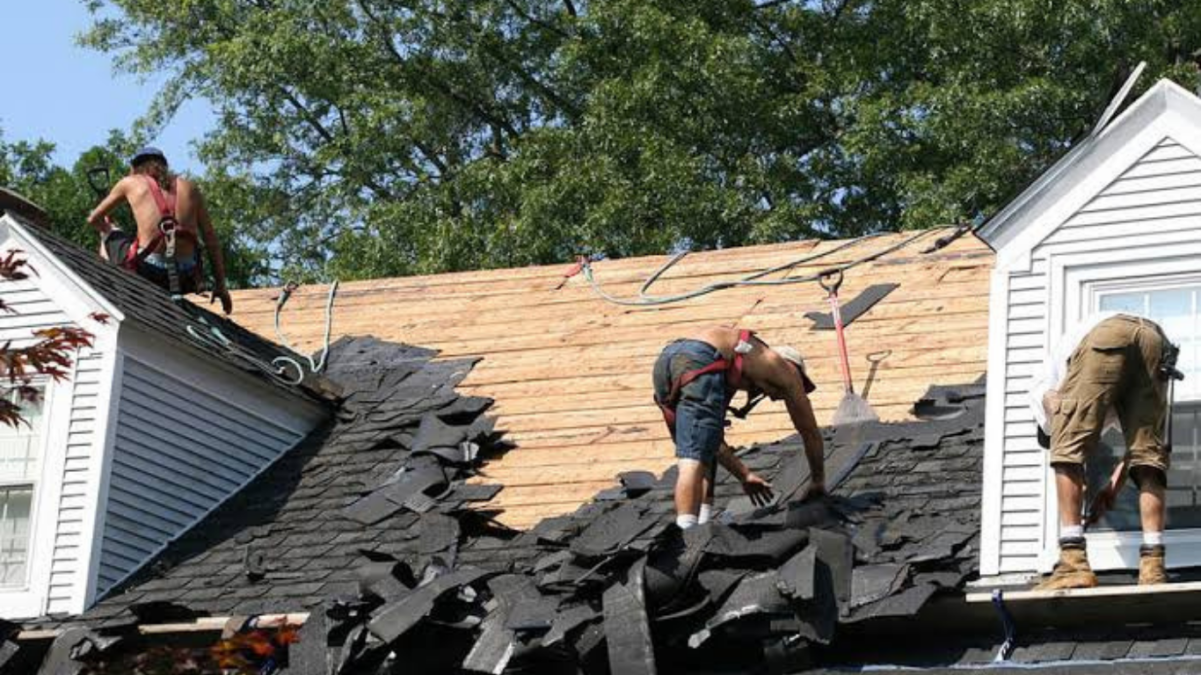
Roof Tear Off Cost Per Square Metre
The most useful starting point is the price per square metre of roof surface rather than the floor area of the house. A roof with a steep pitch, dormers or several valleys will have a larger surface area than a simple rectangular building.
Current UK cost guides place a single-layer concrete-tile strip-out at roughly £18–£28 per square metre in many projects. Broader estimates for stripping and disposal range from £20–£40 per square metre where access is more difficult or the roof contains multiple layers.
| Roof tear-off scope | Typical guide price |
| Simple single-layer concrete tiles | £12–£28 per m² |
| Difficult access or higher roof | £20–£40 per m² |
| Multiple layers of covering | £25–£50+ per m² |
| Slate removal and disposal | Often above standard tile rates |
| Small isolated roof section | Higher per-m² cost because of minimum labour charges |
These are guide figures rather than fixed tariffs. Prices may include different combinations of labour, scaffold, skips and VAT, so homeowners should check the quotation line by line.
For example, a 90-square-metre roof priced at £20 per square metre would produce a basic stripping cost of £1,800. If the project also requires scaffolding, two skips and replacement battens, the overall preparation cost could be substantially higher.
What Influences the Price?
Roof size and design
A larger roof generally costs more because it requires more labour, handling and disposal. However, the price does not always rise in a perfectly linear way. A large, straightforward roof may be more efficient to strip than a small roof containing dormers, valleys and complicated junctions.
Steep pitches also increase the time and safety requirements. Roofers may need additional edge protection, lifting equipment or more carefully positioned scaffolding.
Existing roof materials
Concrete interlocking tiles are relatively common and can often be removed efficiently. Clay plain tiles are smaller and may require more handling. Natural slate can be fragile, sharp and heavier to manage, particularly when several layers have been installed over time.
Older properties may contain traditional roofing materials that need specialist handling. If the contractor suspects asbestos-containing materials, the work should not proceed as ordinary roof waste. A licensed specialist assessment may be necessary.
Number of layers
Some roofs have been re-covered more than once. Instead of one layer of tiles and felt, the roofer may find additional tiles, old felt, timber battens or even an earlier roof covering underneath.
Multiple layers increase removal time, waste volume and skip requirements. They can also reveal hidden defects that were not visible from inside the loft or from ground level.
Access to the property
Easy access allows materials to be lowered and waste to be removed efficiently. Restricted access, narrow roads, rear extensions and terraced properties can make the job slower.
In some situations, a grab lorry cannot reach the property, meaning the waste must be carried manually to a skip. London and parts of the South East may also have higher labour and access costs than other regions; one regional guide estimates that full roof replacement prices in these areas can be around 15–25% higher.
Scaffolding
Scaffolding is often essential for safe roof work and may be charged separately. It provides access, edge protection and a controlled way to lower old materials.
Typical UK guides place scaffolding for a roof replacement at approximately £900–£2,200, depending on the size of the building, access and hire period. A tear-off quotation may include only the scaffold required for removal, while a full re-roof may need it for several weeks.
Waste disposal
Old tiles and slates are surprisingly heavy. A typical roof can generate several tonnes of waste, particularly when tiles, battens and mortar are removed together.
Disposal may involve a skip, grab hire, tipper vehicle or a combination of methods. Skip size, local restrictions and the distance between the property and the waste facility can all affect the final price.
Labour and Additional Costs
The labour element covers more than removing the roof covering. A roofing team must plan the sequence of work, protect windows and gardens, lower materials safely and leave the structure ready for the next stage.
UK roofing labour guides commonly list roofer day rates of approximately £200–£275, although a project is normally priced as a complete job rather than by one individual’s daily rate.
Additional costs may include:
- Replacement timber battens.
- New breathable membrane or roofing felt.
- Repairs to rafters or roof decking.
- Lead flashing replacement.
- Ridge and verge reconstruction.
- Extra scaffold lifts or a longer hire period.
- Additional skips or grab-lorry collections.
- Rooflight removal and refitting.
- Temporary weather protection.
- VAT, where applicable.
One of the most important potential extras is structural repair. Once the old roof has been removed, the roofer may discover rotten rafters, insect damage, movement or water damage. Replacing a few battens is relatively minor, but extensive timber repairs can change the project budget significantly.
Roof Tear Off Compared with Full Replacement
Roof tear off is only one part of a full re-roofing project. A complete replacement also includes the new covering and the materials needed to make the roof weather-tight.
For a typical three-bedroom semi-detached home, current UK estimates for a full replacement vary widely. Concrete-tile projects are often quoted at around £6,500–£11,500, while natural slate can rise to approximately £14,000–£24,000 for a comparable roof, depending on the specification and location.
| Project element | Typical contribution |
| Strip-off and disposal | £700–£1,600 in many standard projects |
| Scaffolding | £900–£2,200 |
| Roofing labour | £1,800–£4,500 |
| New tiles, slates or covering | Varies by material |
| Battens and membrane | Varies by roof area |
| Flashings, ridges and verges | Depends on roof design |
These figures should not be added automatically because different guides include different items. For example, some published full-roof prices already include strip-off, scaffolding, disposal and VAT.
The safest approach is to request an itemised quotation that clearly separates removal, preparation, materials, installation, access equipment and taxes.
How to Reduce the Cost Safely
There are sensible ways to control the roof tear off cost without cutting corners on safety or workmanship.
First, obtain at least three detailed quotations from established roofing contractors. Ask each company to price the same scope, including the number of layers to be removed, waste disposal, scaffold, membrane and battens.
Second, confirm whether the quote includes VAT. A price that excludes VAT may appear lower than one that includes it, even when the underlying work is similar.
Third, ask how hidden defects will be handled. A fair quotation should explain the process for approving extra work if damaged rafters or decking are discovered. Photographs and written approval can help prevent disagreements.
It may also be cheaper to arrange the entire re-roof with one contractor rather than hiring a separate team for the tear off. A roofing company may be able to combine scaffold, labour and waste collection more efficiently when it controls the complete project.
However, homeowners should be cautious about unusually low prices. A quote that excludes scaffolding, disposal or replacement battens may not represent the true cost. The cheapest initial figure can become expensive if important work is added later.
Choosing a Roofing Contractor
Look for a contractor with relevant experience in the type of roof being removed and installed. Natural slate, clay plain tiles and older traditional roofs require different skills from a basic concrete-tile replacement.
Before accepting an offer, ask for:
- A written, itemised quotation.
- Evidence of public liability insurance.
- Recent references or examples of comparable work.
- Details of guarantees.
- A clear payment schedule.
- Confirmation of waste disposal arrangements.
- Information about building-regulation compliance where relevant.
Avoid paying the full amount in advance. A modest deposit may be normal for ordering materials, but staged payments linked to completed work offer greater protection.
It is also worth checking whether the contractor belongs to a recognised trade organisation or operates under an appropriate competent-person scheme. Membership is not a guarantee of quality, but it can provide an additional layer of accountability.
Quick Cost Guide
| Detail | Information |
| Main keyword | Roof tear off cost |
| Typical UK strip-out range | Around £12–£28 per m² for straightforward projects |
| Difficult or multi-layer roofs | Approximately £20–£50+ per m² |
| Typical semi-detached example | Around £2,400–£3,800 for a 110 m² concrete-tile strip |
| Main cost drivers | Roof size, materials, layers, access, pitch and disposal |
| Common extras | Scaffolding, skips, battens, membrane and structural repairs |
| Full re-roof indication | Often £6,500–£18,500+, depending on material and property |
| VAT | Check whether it is included in every quotation |
The figures above are planning estimates, not guarantees. Roofing prices vary by region, contractor availability, specification and the condition revealed after removal.
When Is a Full Tear Off Necessary?
A full tear off may be appropriate when the existing roof has widespread leaks, failing underlay, rotten battens or several layers of old covering. It is also usually considered when the roof has reached the end of its practical service life.
A local repair may be more economical when damage is limited to a few tiles, a small area of flashing or an isolated leak. Replacing a sound roof unnecessarily can be an avoidable expense.
The decision should be based on a proper inspection rather than the age of the roof alone. A qualified roofer should examine the covering, battens, membrane, rafters, ventilation and internal signs of moisture before recommending complete replacement.
Conclusion
The roof tear off cost for a UK property is shaped by much more than the number of tiles on the roof. Materials, roof design, access, scaffolding, waste disposal and hidden structural damage can all affect the final quotation.
For a straightforward project, allowing roughly £12–£28 per square metre provides a useful starting point, but homeowners should obtain a detailed local assessment before budgeting. A transparent quotation that explains every included item is more valuable than a low headline price with important exclusions.
Must Read: Karen Backfisch-Olufsen: Career, Family, and Life Beyond Wall Street