
Castor Oil in Belly Button: What the Viral Trend Really Offers

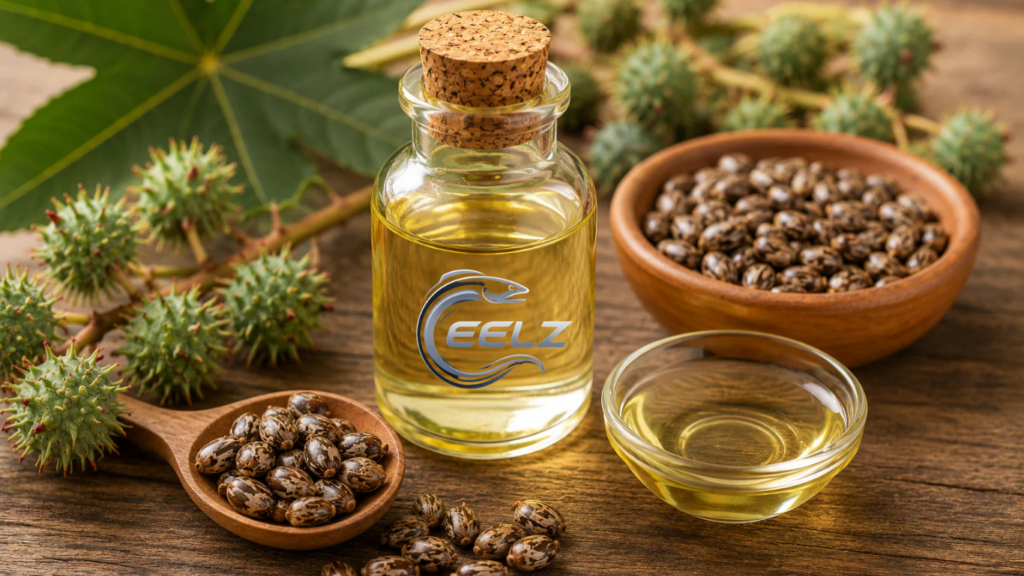
In recent years, social media feeds have filled with people carefully dripping oil into their navels before bed. The practice, often called navel pulling or navel oiling, centres on castor oil in the belly button. Advocates claim it eases bloating, supports digestion, soothes period pain and even aids detoxification. The trend draws from long-standing traditional practices, yet it sits at the intersection of ancient belief and modern scepticism.
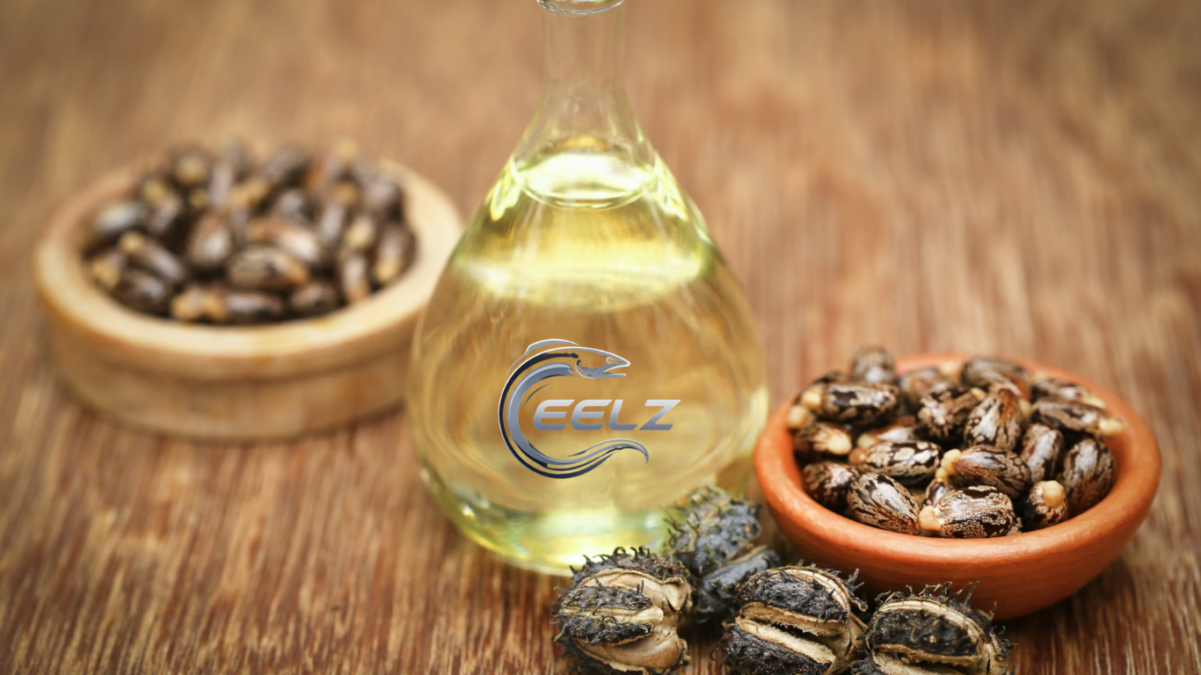
Castor oil itself has a long history in medicine and home remedies. Extracted from the seeds of the Ricinus communis plant, it is rich in ricinoleic acid and has been used for generations as a laxative when taken by mouth. Applying it topically to the navel is a different matter. Understanding where the claims come from, what science actually shows, and how people use it safely helps separate ritual from reliable results.
Origins in Traditional Practice
The idea of treating the navel has deep roots in Ayurveda, the traditional Indian system of medicine that dates back thousands of years. In Ayurvedic thought the navel, or nabhi, is regarded as an important marma point—an energetic centre linked to digestion, circulation and the balance of the doshas, particularly Vata and Pitta. Oil application around this area, sometimes called nabhi chikitsa or nabhi purana, forms part of broader self-massage and wellness routines.
Some modern explanations mention a supposed “Pechoti gland” behind the belly button that allegedly absorbs oils and distributes them through thousands of channels. No anatomical evidence supports the existence of such a gland. The belly button is simply a scar left after the umbilical cord is cut at birth. Once that connection closes, there is no direct pathway into the internal organs.
Despite the lack of a special gland, the cultural practice of applying warm oils—castor, sesame or others—to the abdomen continues in many households. Castor oil’s thick consistency and traditional reputation as a “Vata-pacifying” substance made it a popular choice for these rituals.
Claimed Benefits of Castor Oil in the Belly Button
Online discussions frequently list several supposed advantages. Digestive comfort is the most common. People report that a few drops of castor oil massaged into the navel help reduce bloating, encourage regularity and ease mild constipation. Others link the practice to menstrual comfort, saying it relaxes uterine muscles and lessens cramps. Additional claims include improved skin softness around the abdomen, better sleep, reduced stress and even support for fertility or “detoxification.”
These reports are largely anecdotal. The ritual itself often involves gentle circular massage of the abdomen, which can feel soothing. Warmth from the oil or a subsequent compress may relax muscles and promote a sense of calm. Any perceived improvement in digestion or comfort is therefore difficult to separate from the effects of massage, rest and the placebo response.
What Science Says
Medical experts are consistent on the core point: there is no reliable clinical evidence that placing castor oil in the belly button produces meaningful internal effects. The oil does not travel through the navel into the gut, liver or reproductive organs. Skin absorption of castor oil is limited; most of it remains on the surface or within the outer layers of the skin.
Castor oil does have one well-established medical use. Taken orally in appropriate doses, it acts as a stimulant laxative approved by regulators such as the US Food and Drug Administration for short-term relief of constipation. That effect occurs only after ingestion, when the oil reaches the intestines. Topical application does not replicate it.
Abdominal massage, by contrast, has some supporting research. Studies and reviews suggest that gentle massage of the abdomen can increase the frequency of bowel movements and reduce discomfort in people with constipation. The benefit appears linked to stimulating gut motility rather than any special property of the oil. Warm compresses or simple self-massage with a different oil may produce similar sensations of relief.
Claims about detoxification, hormone balancing, weight loss or fertility improvement lack scientific backing. The body’s natural detoxification systems—the liver and kidneys—handle waste removal. External application of oil does not enhance those processes.
How People Typically Use It
Those who choose to try the practice usually follow a simple routine. The navel area is cleaned gently. A small amount of pure, cold-pressed castor oil—often five to ten drops—is placed in the depression of the belly button. The oil is massaged in circular motions for several minutes, sometimes extending across the lower abdomen. Some leave the oil overnight, covering the area with a cloth or old T-shirt to protect bedding. Others prefer a short session followed by wiping away excess oil.
Castor oil is viscous and can stain fabrics, so practicality matters. Patch-testing on a small area of skin first is wise, especially for anyone with sensitive skin or a history of allergies.
Potential Risks and Cautions
For most people the practice is low-risk when used sparingly. Possible downsides include skin irritation, redness or itching, particularly if the oil is left in place for long periods or if the navel is not kept clean. Excess oil can trap moisture and debris, raising the chance of mild infection in the fold of the navel.
Pregnant people are generally advised to avoid castor oil in any form without medical guidance, because oral use has historically been linked to stimulating uterine contractions. Anyone with open wounds, recent piercings, active skin conditions or chronic digestive disorders should consult a doctor before experimenting. Relying on the trend instead of addressing persistent symptoms—such as ongoing bloating, pain or irregular bowel habits—can delay proper diagnosis and treatment.
Practical Alternatives for Common Concerns
When bloating or mild constipation is the concern, evidence-based steps are more reliable. Adequate hydration, a fibre-rich diet, regular physical activity and identifying personal food triggers often bring clearer results. For menstrual discomfort, heat packs, gentle movement, over-the-counter pain relief where appropriate, and professional advice remain standard recommendations. Abdominal self-massage without oil, or with a lighter carrier oil, can still offer the relaxing benefits many people notice.
Castor oil packs applied more broadly over the abdomen appear in some complementary practices. Small studies have explored them for comfort, yet the evidence remains limited and results are mixed. They should not replace medical care.
A Balanced View of the Trend
Castor oil in the belly button sits in a familiar category of wellness practices: culturally meaningful, low-cost, and capable of creating a pleasant self-care ritual, yet unsupported by robust science for the internal benefits most often claimed. The oil can soften the skin and the accompanying massage can feel comforting. Those effects are real for some people. Expectations of dramatic changes in digestion, hormones or detoxification are not supported by current evidence.
Interest in the practice reflects a wider desire for simple, natural approaches to everyday discomforts. That interest is understandable. At the same time, clear information helps people decide whether the ritual is worth adding to their routine or whether more proven strategies better serve their needs.
Quick Facts
| Detail | Information |
| Practice name | Navel pulling / navel oiling / nabhi chikitsa |
| Main ingredient | Castor oil (Ricinus communis seed oil) |
| Traditional roots | Ayurveda |
| Proven oral use | Stimulant laxative for occasional constipation |
| Evidence for navel use | Limited; no strong clinical support for internal benefits |
| Common reported effects | Skin softness, relaxation from massage |
| Main risks | Skin irritation, staining, delayed medical care |
Looking Ahead
The conversation around castor oil in the belly button is likely to continue as long as people seek accessible ways to feel better. Traditional knowledge and modern research do not always align, and that tension is useful. It encourages curiosity while reminding us to weigh personal experience against available evidence.
For anyone drawn to the ritual, approaching it as a gentle form of self-massage rather than a medical treatment keeps expectations realistic. Persistent symptoms still warrant professional attention. In the end, the most lasting value may lie less in the oil itself and more in the quiet moment of attention given to the body.