Emerald Cut Engagement Rings Gold: Timeless Elegance for Modern Love

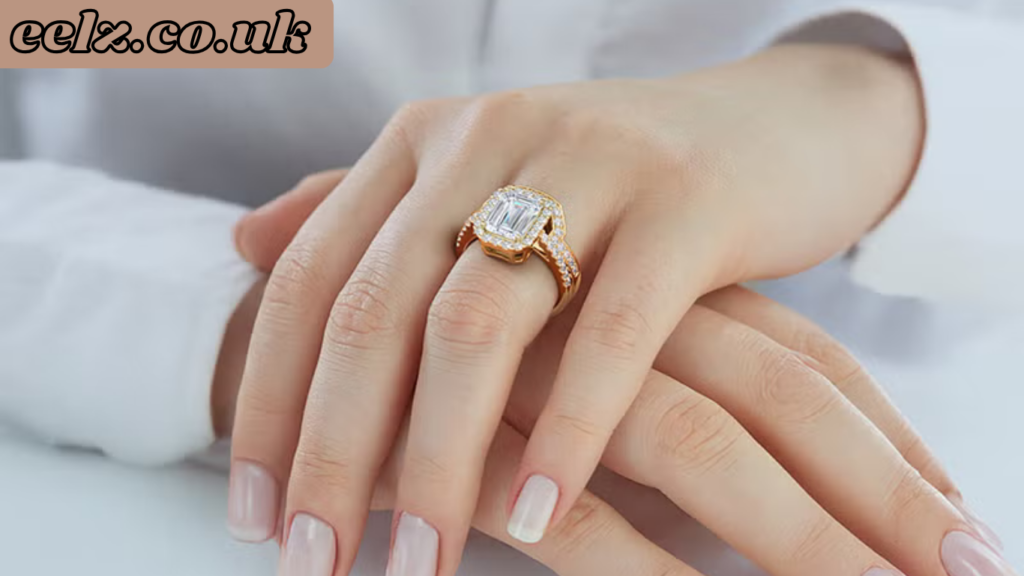
Emerald cut engagement rings gold combinations continue to captivate couples seeking refined style over flashy brilliance. These rings blend geometric precision with the warmth of gold, offering a look that feels both classic and contemporary. From Art Deco roots to today’s red-carpet favourites, the style rewards those who value clarity, proportion and understated glamour.
The emerald cut features a rectangular outline with cropped corners and long, parallel step-cut facets. Rather than scattering light into a lively sparkle, it produces broad, deliberate flashes often described as a “hall of mirrors” effect. Originally developed centuries ago to protect the brittle emerald gemstone during cutting, the technique later proved equally striking on diamonds. When set in gold—particularly yellow gold—the clean lines of the stone gain a rich, warm contrast that many find more inviting than cooler platinum or white gold settings.
Interest in emerald cut engagement rings gold has grown steadily. Search data and jewellery sales in the UK show the cut ranking among the most popular shapes, while yellow gold has overtaken platinum as a preferred metal for many engagement rings. The combination suits those who want a ring that elongates the finger, appears larger for its carat weight and carries a quiet sophistication rather than constant glitter.
Origins and Historical Appeal
The step-cut style that became known as the emerald cut has roots stretching back hundreds of years. Lapidaries developed the truncated rectangular form to minimise pressure on fragile emerald crystals and to maximise yield from their natural hexagonal shape. Parallel facets arranged like steps emphasised colour and clarity instead of maximum brilliance.
By the 1920s the cut had found a perfect cultural match. The Art Deco era celebrated geometric forms, clean lines and architectural elegance. Emerald-cut diamonds appeared in jewellery that reflected the decade’s love of precision and modernity. The name “emerald cut” itself became established during this period, even though the technique predated it.
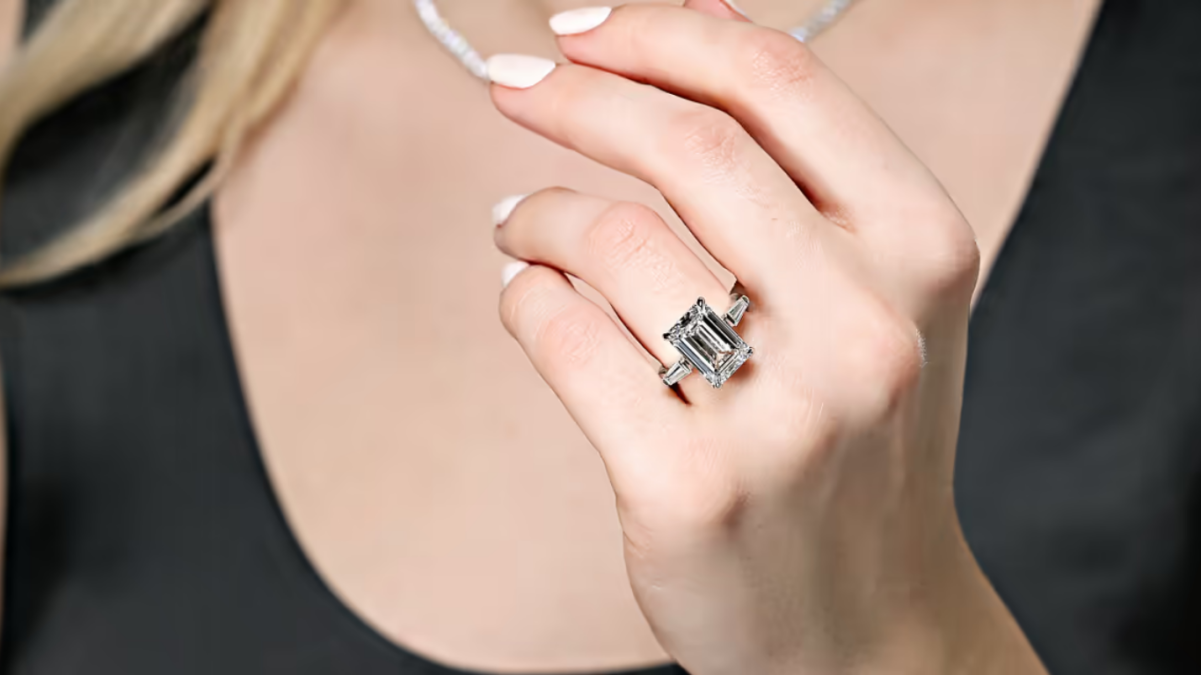
One of the most influential examples arrived in 1956, when Prince Rainier III of Monaco presented Grace Kelly with a 10.48-carat emerald-cut diamond ring by Cartier, flanked by tapered baguettes and set in platinum. The ring appeared on screen in High Society and helped cement the style as a symbol of Hollywood glamour and refined taste. Later celebrities, including Beyoncé and Amal Clooney, have chosen emerald-cut centre stones, keeping the silhouette visible across generations.
Yellow gold settings for these stones draw on even older traditions. Victorian and earlier jewellery frequently paired coloured gems and diamonds with warm gold, creating rich contrast. Today’s revival of yellow gold engagement rings has made emerald cut engagement rings gold a natural pairing once again.
Why Emerald Cut Engagement Rings Gold Stand Out
Several practical and aesthetic advantages explain the enduring appeal. Because the stone is typically shallower than a round brilliant of the same carat weight, more of its surface is visible from above. This often makes an emerald cut appear larger on the hand. Demand for the shape has historically been lower than for rounds, so prices per carat can be more favourable, allowing buyers to prioritise higher clarity or colour grades.
The elongated outline flatters many hand shapes and creates a lengthening effect. Cropped corners reduce the risk of snagging compared with pointed shapes such as marquise or pear. In a gold setting the metal frames the stone’s architecture. Yellow gold softens any slight body colour in a diamond and adds vintage warmth; rose gold introduces a romantic flush; white gold or platinum keeps the look cooler and more contemporary.
Clarity matters more with this cut than with brilliant styles. The broad table and open facets act like a window into the stone, so inclusions that might hide in a round diamond become more noticeable. Eye-clean stones graded VS2 or better are generally preferred. Colour is also more visible; in yellow gold an H or I grade can look intentional and warm rather than imperfect. Ideal length-to-width ratios typically fall between 1.30 and 1.40 for a classic balanced rectangle, though personal preference may lean slightly longer or squarer.
Choosing the Right Setting and Style
Emerald cut engagement rings gold adapt well to a range of designs. A simple four-prong or six-prong solitaire keeps the focus on the stone’s clean geometry. Three-stone settings, especially those featuring tapered baguettes on either side, echo the Grace Kelly model and carry symbolic associations of past, present and future.
East-west orientations, where the rectangle sits horizontally across the finger, offer a modern twist that still respects the cut’s lines. Hidden halos or discreet pavé shoulders can add subtle sparkle without interrupting the architectural silhouette. Bezel settings provide extra protection for the stone’s edges while creating a sleek, contemporary frame that works particularly well in solid gold bands.
Metal choice influences both appearance and everyday practicality. 18-carat yellow gold delivers rich colour and good durability for daily wear. Thicker, chunkier bands have grown popular in recent seasons, pairing the geometric stone with substantial gold for a modern, grounded look. Mixed-metal designs occasionally appear, combining yellow gold with white metal accents for added interest.
Buyers should examine stones in person whenever possible. Photographs and certificates provide useful data, yet the hall-of-mirrors effect and the way light moves across the facets are best judged by eye. Reputable jewellers can advise on proportions, symmetry and the specific interaction between a given diamond and its gold mount.
Care and Everyday Considerations
Diamonds are highly durable, yet an emerald-cut stone still benefits from thoughtful handling. The large table can collect oils and residue that dull its clarity, so regular gentle cleaning with warm water, mild detergent and a soft brush keeps the facets bright. Ultrasonic cleaners are generally safe for diamond jewellery but should be used with care if the setting includes more delicate elements.
Removing the ring during heavy manual work, gardening or sports reduces the chance of impact to the corners, even though the cropped design is more resilient than pointed cuts. Professional checks every year or two ensure prongs remain secure and the gold surface stays in good condition. With basic care, an emerald cut engagement ring in gold can remain a daily companion for decades.
Current Trends and Lasting Appeal
In the mid-2020s, yellow gold has strengthened its position in the UK engagement ring market, and elongated shapes including emerald continue to gain share. Couples increasingly favour individuality over traditional round solitaires. Lab-grown diamonds have expanded access to larger or higher-quality emerald cuts for those prioritising budget or ethical considerations, while natural stones retain their classic prestige.
The style suits both minimalist modern taste and vintage-inspired designs with milgrain or subtle engraving. Its association with quiet luxury—confidence expressed through restraint rather than constant sparkle—aligns with broader cultural preferences for understated elegance.
Quick Reference
| Detail | Information |
| Cut characteristics | Rectangular step-cut with cropped corners |
| Optical effect | Hall-of-mirrors flashes rather than scintillation |
| Historical peak | Art Deco period; Grace Kelly 1956 example |
| Preferred clarity | VS2 or higher (eye-clean) |
| Classic length-to-width | Approximately 1.30–1.40 |
| Popular metals | Yellow gold, white gold, platinum, rose gold |
| Key advantages | Larger face-up appearance, price value, elegance |
| Notable associations | Architectural elegance, vintage glamour |
Why Emerald Cut Engagement Rings Gold Endure
The combination of emerald cut and gold succeeds because it balances history with contemporary sensibility. The cut’s origins in practical gem cutting and its elevation during the Art Deco years give it genuine pedigree. Gold supplies warmth and a sense of tradition that many couples find meaningful for a lifelong symbol. Together they create a ring that feels personal rather than generic, sophisticated without pretension.
Conclusion
Public perception remains positive: the style is widely regarded as elegant, distinctive and flattering. It rewards careful selection of quality over mere size and invites the wearer to appreciate subtle light play rather than constant glitter. In a market often driven by fleeting trends, emerald cut engagement rings gold offer continuity and quiet confidence.
Choosing such a ring reflects a preference for clarity of design and lasting beauty. Whether set as a classic solitaire or a more elaborate three-stone piece, the result tends to age gracefully, remaining as relevant on an anniversary as on the day it was first worn.
Must Read: The Enduring Allure of the Emilio Pucci Dress: From Capri to the Global Stage