
The Ultimate Guide to Risotto Recipes: Mastering Italy’s Creamiest Comfort Food

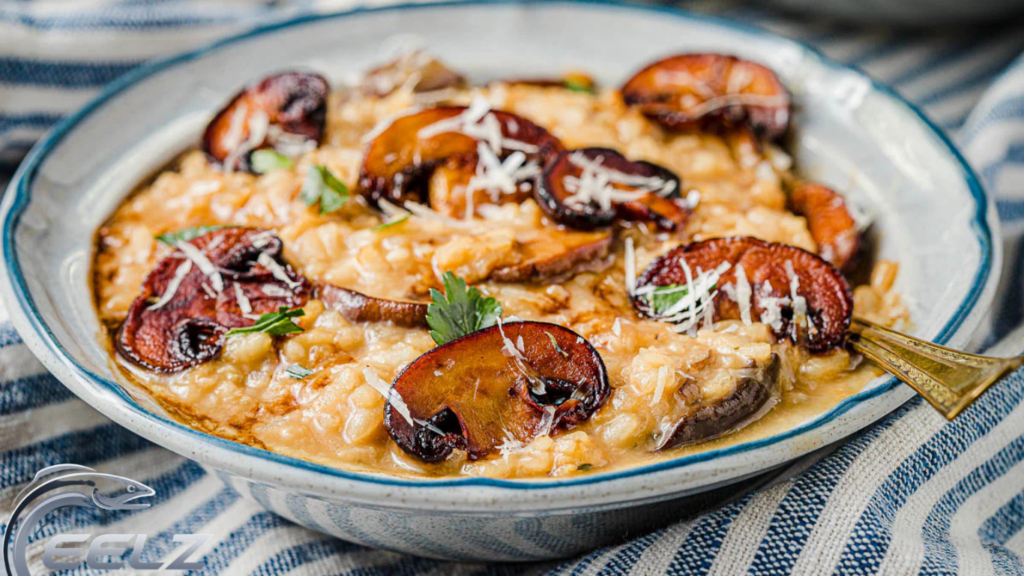
Risotto recipes have captivated home cooks and professional chefs alike for generations, offering a perfect balance of creamy texture and al dente bite that transforms simple ingredients into something truly special. This iconic Italian rice dish, with its rich history in the Po Valley, remains a staple in kitchens worldwide because it is endlessly adaptable yet rewards patience and quality ingredients.
Whether you are preparing a classic risotto alla Milanese for a special occasion or experimenting with seasonal variations for a weeknight dinner, mastering risotto recipes opens up a world of comforting, elegant meals. The gentle stirring, the gradual absorption of stock, and that final luxurious mantecatura create a dish that feels both rustic and refined.
The Origins and Evolution of Risotto
Risotto traces its roots to northern Italy, particularly the Lombardy region, where rice cultivation flourished in the marshy lands of the Po River Valley from the medieval period onward. Rice arrived in Italy via Arab traders in Sicily and spread northward, becoming a key crop by the 14th–15th centuries.
The first identifiable risotto-style recipe appeared around 1809, featuring rice sautéed with butter, onions, sausages, bone marrow, and saffron-infused broth. By the 19th century, the technique we recognise today—gradually adding hot stock while stirring to release the rice’s starches—had taken shape. Risotto alla Milanese, with its signature golden hue from saffron, became emblematic, traditionally paired with osso buco.
Over time, regional variations emerged across Italy. In Veneto, risottos tend to be looser (“all’onda” – wavy), while Milanese styles are firmer. Today, risotto recipes span from luxurious seafood versions to hearty mushroom or vegetable creations, reflecting Italy’s diverse produce and the dish’s remarkable versatility.
Choosing the Right Rice for Perfect Risotto Recipes
The foundation of any great risotto lies in the rice. Short-grain varieties high in amylopectin starch are essential, as they release creaminess during cooking while maintaining structure.
- Arborio: The most widely available and beginner-friendly option in the UK. It produces a very creamy result but can become mushy if overcooked.
- Carnaroli: Often called the “king of risotto rice,” it offers excellent al dente texture with a wide cooking window, making it a favourite among chefs.
- Vialone Nano: Smaller grains that absorb flavours beautifully and suit soupier Venetian-style risottos. It carries IGP status from the Verona area.
Avoid rinsing the rice before cooking, as this removes valuable surface starch. For UK shoppers, good-quality Arborio is readily found in supermarkets, while Carnaroli and Vialone Nano are worth seeking in Italian delis or online for superior results.
The Classic Technique: How to Cook Risotto Properly
Many home cooks find risotto recipes intimidating, but the process is straightforward with attention to a few key principles. Start by gently sautéing finely chopped onion (or shallot) in butter or olive oil until soft—this is the soffritto. Add the rice and toast it lightly (tostatura) for a nutty aroma, usually 1–2 minutes.
Deglaze with a splash of dry white wine, allowing it to evaporate. Then, add hot stock (vegetable, chicken, or mushroom) one ladle at a time, stirring almost constantly until absorbed before adding the next. This gradual addition and friction from stirring coax out the starches for that signature creaminess. The whole process typically takes 16–20 minutes.
Finish with mantecatura: remove from the heat and vigorously beat in cold butter and grated Parmigiano-Reggiano for extra gloss and richness. Rest briefly before serving. The ideal consistency is creamy but not stodgy—it should flow slightly on the plate yet hold its shape.
Pro tip: Keep the stock simmering in a separate pan. Cold stock shocks the rice and disrupts even cooking.
Timeless Risotto Recipes to Try at Home
Risotto alla Milanese
This golden classic showcases saffron’s delicate aroma. Soak a pinch of saffron in warm stock, then follow the basic method, adding bone marrow traditionally for depth (or omit for a vegetarian version). Finish generously with Parmesan. It pairs beautifully with braised meats.
Mushroom Risotto (Risotto ai Funghi)
A comforting favourite, especially in autumn. Sauté mixed mushrooms (porcini, chestnut, or wild) separately with garlic and thyme, then incorporate towards the end. Dried porcini soaked in hot water add intense umami to the stock.
Lemon and Herb Risotto
Bright and fresh, ideal for spring. Add lemon zest and juice near the end, along with plenty of chopped parsley, basil, or chives. Some recipes incorporate a touch of cream or egg yolk for extra luxury.
Seafood Risotto
Use a light fish or shellfish stock and add prawns, mussels, or squid towards the final minutes so they remain tender. A pinch of saffron or chilli can elevate it further.
These foundational risotto recipes demonstrate how a few quality ingredients create something greater than the sum of their parts.
Creative Variations and Modern Twists
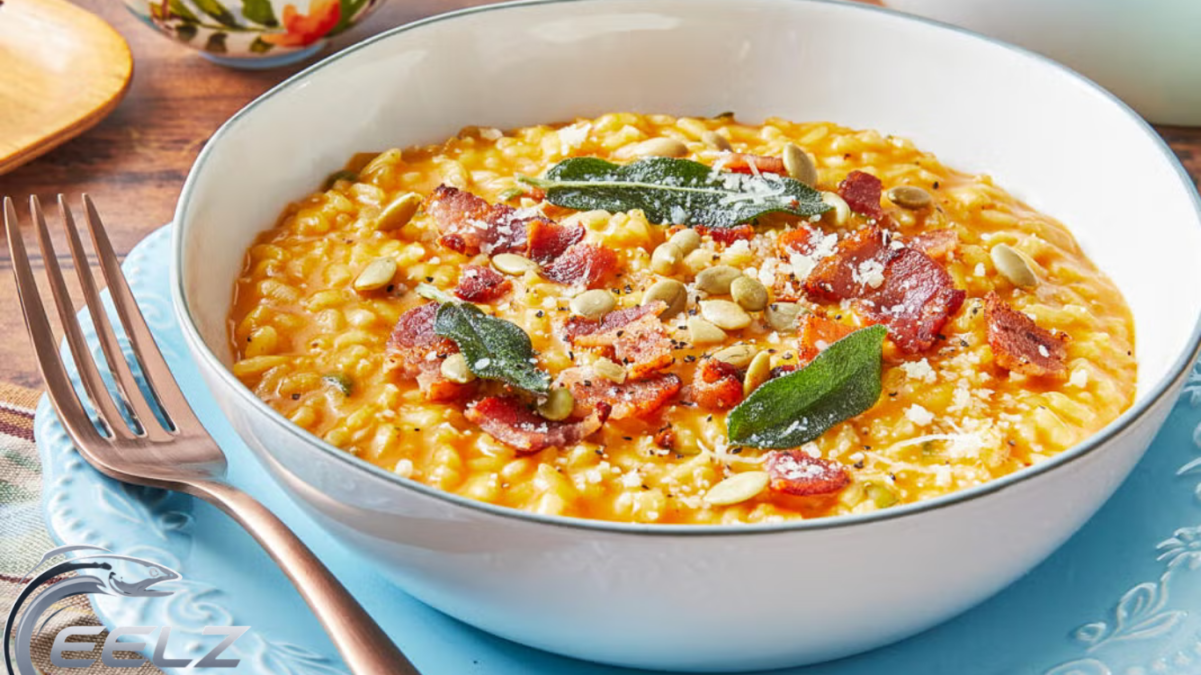
Risotto’s adaptability inspires endless creativity. Try butternut squash and sage for a sweet, earthy autumn dish, or pea and mint for vibrant freshness. More adventurous cooks might experiment with radicchio and Gorgonzola, or even British twists like cheddar and leek.
Leftovers transform beautifully into arancini—crispy fried risotto balls stuffed with mozzarella. Gordon Ramsay’s version, for example, builds on mushroom risotto for double the pleasure.
Vegetarian and vegan adaptations thrive by using robust vegetable stocks and plant-based “butter” or nutritional yeast for that cheesy finish. Regional Italian inspirations, such as risotto with radicchio from Treviso or black cabbage from Tuscany, highlight local produce.
Common Challenges and Expert Tips for Success
Achieving the perfect risotto comes down to practice and a few pitfalls to avoid. Over-stirring vigorously throughout can break the grains, while under-stirring leads to sticking. Taste frequently in the final minutes—the rice should have a slight bite (al dente).
Use the best stock possible; homemade or high-quality fresh stock makes a noticeable difference. Wine should be dry and of decent drinking quality. Never rush by adding too much liquid at once or turning the heat too high.
Many Italians prefer risotto slightly firmer than some UK interpretations—aim for individual grains you can still feel. Serve immediately on warm plates, as it thickens as it sits.
For busy cooks, no-stir or oven-baked methods exist as approximations, but traditional stovetop yields the best texture.

Quick Risotto Facts
| Detail | Information |
| Origin | Northern Italy (Lombardy region) |
| Key Rice Varieties | Arborio, Carnaroli, Vialone Nano |
| Typical Cooking Time | 16–20 minutes |
| Signature Technique | Gradual stock addition + stirring |
| Finishing Touches | Butter and Parmigiano-Reggiano |
| Best Served | Immediately, on warm plates |
| Popular Pairings | Osso buco, grilled meats, salads |
Conclusion
Risotto recipes endure because they embody Italian cooking at its best: respect for ingredients, technique over complexity, and the joy of sharing a comforting yet impressive dish. From humble family suppers to elegant dinner parties, risotto adapts while remaining true to its creamy, soulful character.
In an age of quick meals, the mindful process of preparing risotto offers a rewarding pause—a reminder that good food takes time and care. Whether you stick to classics or invent your own signature version, the result is always deeply satisfying.