The Enduring Charm of Jello Poke Cake: A Colourful Slice of 1970s Nostalgia

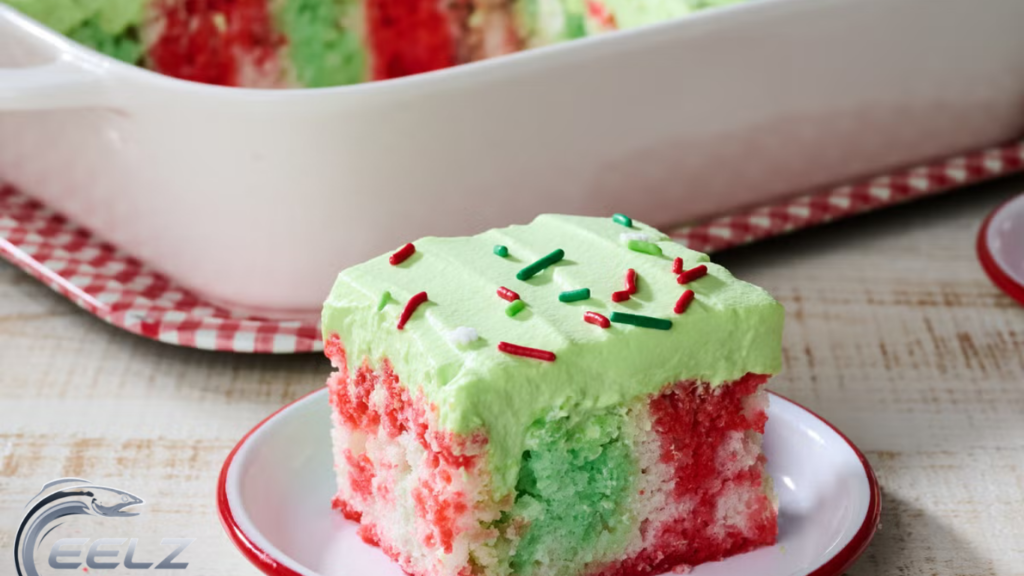
Few desserts capture the playful spirit of mid-to-late twentieth-century home baking quite like jello poke cake. With its vibrant streaks of fruit-flavoured gelatin running through a soft sheet cake and a cloud of whipped topping on top, it remains a cheerful fixture at birthdays, potlucks and summer gatherings. The dessert’s simplicity and visual surprise continue to draw people back, long after the era that first popularised it.
Readers stay interested because jello poke cake sits at the crossroads of convenience, creativity and pure fun. It turns everyday supermarket ingredients into something that looks special when sliced, delivering moisture, flavour and colour in one easy package. In an age of elaborate baking shows and complicated recipes, its straightforward appeal feels refreshing.
Origins and Background
Jello poke cake emerged in the United States during the 1970s. At the time, the popularity of elaborate gelatin salads was fading. General Foods, the company behind Jell-O, needed fresh ways to keep the product relevant among busy households. Women were entering the workforce in greater numbers, and convenience foods were booming. Boxed cake mixes, instant gelatin and ready-made whipped toppings fitted the moment perfectly.
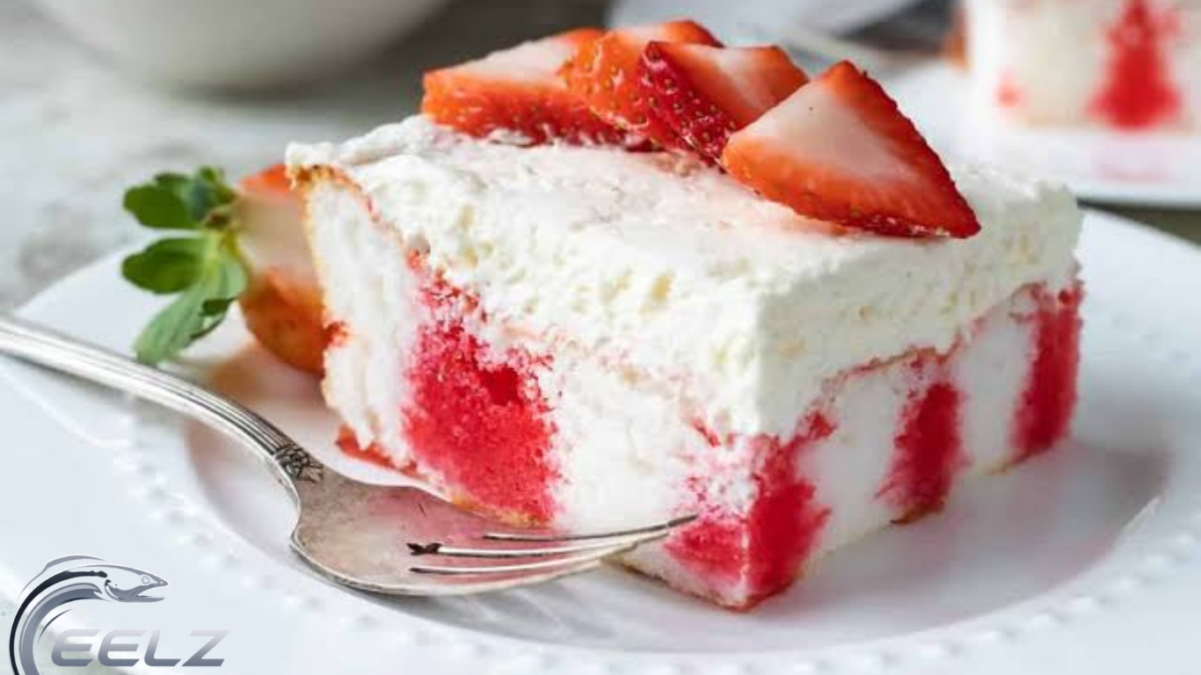
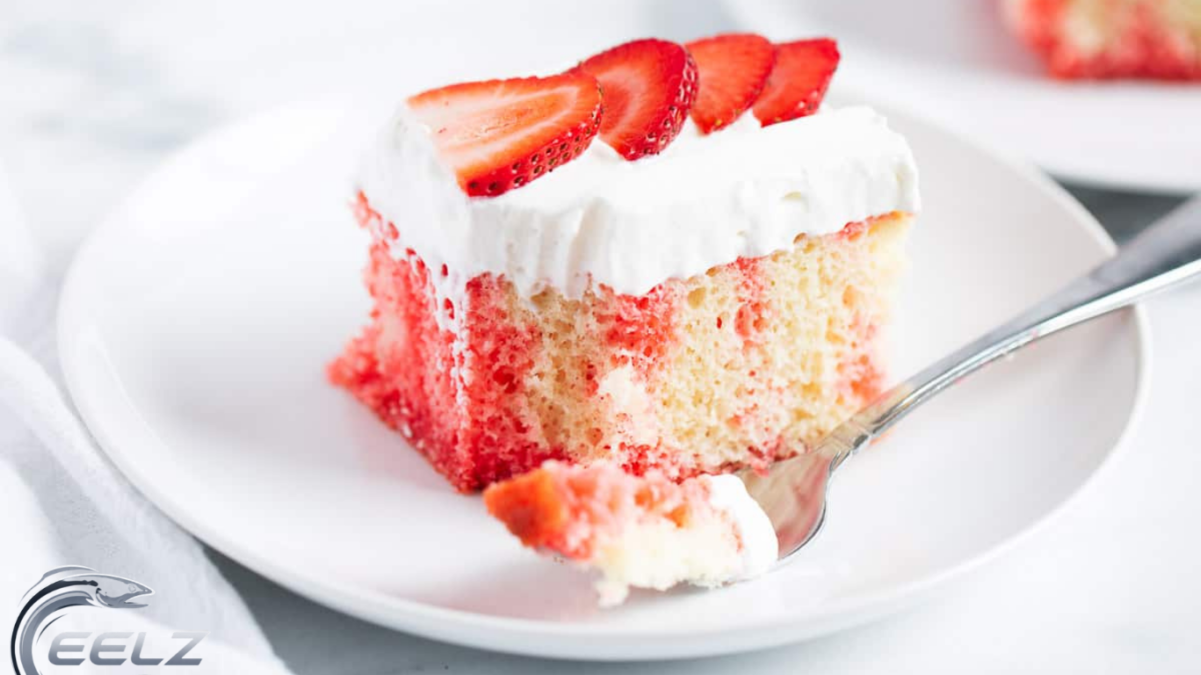
In 1976 the company introduced the “Jell-O Gelatin Poke Cake” through print advertisements and recipe booklets. The method was straightforward: bake a sheet cake (usually from a white or yellow mix), poke holes across the surface with a fork or similar tool, pour dissolved fruit-flavoured gelatin over the top, chill until set, and finish with Cool Whip. The gelatin seeped into the holes, creating bright, moist ribbons of colour and flavour when the cake was cut.
Earlier traditions of soaking cakes in syrup existed. French génoise is brushed with sugar syrup, and Mexican or Latin American tres leches cake is soaked in milk mixtures. A nineteenth-century recipe for “Siesta Cake” even called for pouring clarified sugar into holes made with a skewer. Jell-O’s version, however, gave the idea a distinctly American, brightly coloured, supermarket-friendly identity that matched the decade’s taste for easy, eye-catching desserts.
Rise to Popularity
The cake quickly became a staple of American home kitchens through the late 1970s and 1980s. Its appeal rested on three practical strengths: it used readily available ingredients, required minimal skill, and could be prepared ahead of time. A white cake base showed off the gelatin colours best, while strawberry, raspberry and other fruit flavours were among the most common choices. The result was a moist, fruity cake that looked impressive without demanding professional technique.
In 1981 a pudding variation, sometimes called Stripe-It-Rich Cake, followed. Instead of gelatin, instant pudding was poured into the holes, offering a creamier alternative. Both styles thrived at potlucks, pool parties and family celebrations. Home bakers appreciated the freedom to experiment with flavours and colours, creating everything from single-flavour versions to multi-coloured “rainbow” cakes.
Public reputation rested on reliability and nostalgia. Magazines and community cookbooks spread the recipe widely. It required no special equipment beyond a 9-by-13-inch pan and a fork or wooden-spoon handle. The finished cake kept well in the refrigerator, making it ideal for hosts who preferred to prepare desserts in advance.
Challenges and Evolution
Like many trend-driven recipes, jello poke cake saw its peak popularity decline in the 1990s as tastes shifted toward more sophisticated or less processed desserts. Some bakers moved away from boxed mixes and artificial colours. Yet the recipe never disappeared. It lived on in family recipe collections and continued to appear at casual gatherings.
Modern adaptations have helped sustain interest. Bakers now use homemade cake bases, pureed fruit, or natural flavourings alongside or instead of traditional gelatin. Variations incorporate pudding, sweetened condensed milk, or even coffee and liqueurs for adult versions. The core technique of poking and soaking remains the same, proving the idea’s flexibility. Its resilience comes from the fact that it solves a practical problem: how to add moisture and flavour to a simple cake while creating an attractive presentation.
How It Is Made and Enjoyed
The classic method remains largely unchanged. A white or yellow cake is baked in a rectangular pan and allowed to cool slightly. Holes are poked at regular intervals. Dissolved gelatin (typically one 3-ounce packet mixed with boiling water and a little cold water) is poured evenly over the surface so it fills the channels. After several hours of chilling, the cake is spread with thawed whipped topping. Fresh fruit or additional garnish is optional.
Common pairings include strawberry gelatin with white cake, or combinations such as lime and cherry for a more dramatic colour contrast. The dessert is usually served cold, which enhances its refreshing quality. Because the gelatin sets inside the cake rather than forming a separate jelly layer, the texture stays soft and cake-like rather than rubbery.
Later Life and Contemporary Appeal
Today jello poke cake enjoys a quiet revival among those who enjoy retro cooking and nostalgic flavours. Food writers and home bakers share updated versions online, sometimes elevating the ingredients while preserving the playful spirit. It appears at community events, children’s parties and casual dinners precisely because it is unpretentious and reliable.
No major commercial “brand” beyond the original Jell-O association claims ownership, and there is no single celebrity chef attached to it. Its lasting presence comes from ordinary cooks who keep the recipe circulating. Charity bake sales, school functions and family reunions still feature it regularly. In an era of high-end patisserie, the cake’s straightforward charm offers a welcome counterpoint.
Quick Facts
| Detail | Information |
| Full Name | Jell-O Poke Cake (or Jello Poke Cake) |
| First Introduced | 1976 |
| Place of Origin | United States |
| Type | Sheet cake dessert |
| Key Ingredients | Cake mix, fruit-flavoured gelatin, whipped topping |
| Years of Peak Popularity | Late 1970s–1980s |
| Known For | Colourful gelatin streaks, moist texture, ease of preparation |
| Common Serving Style | Chilled, often at potlucks and parties |
Legacy and Lasting Impact
Jello poke cake remains important because it represents a moment when convenience cooking met creative presentation. It showed that supermarket ingredients could produce something visually striking and crowd-pleasing without specialised skills. Its influence appears in the wider category of “poke cakes” that now include everything from chocolate-pudding versions to fruit-purée and tres-leches-inspired takes.
Conclusion
Public perception is largely affectionate. Many people associate it with childhood birthdays or summer gatherings. It demonstrates that a simple idea, well executed and well marketed, can endure across generations. The lesson is practical: accessibility and a touch of spectacle often outlast more complicated trends.
The dessert’s story also reflects broader shifts in domestic life. As more people balanced work and home, recipes that delivered maximum effect for minimum effort gained lasting value. Jello poke cake delivered exactly that.