Is Velveeta Real Cheese? The Truth Behind the Iconic Melting Block

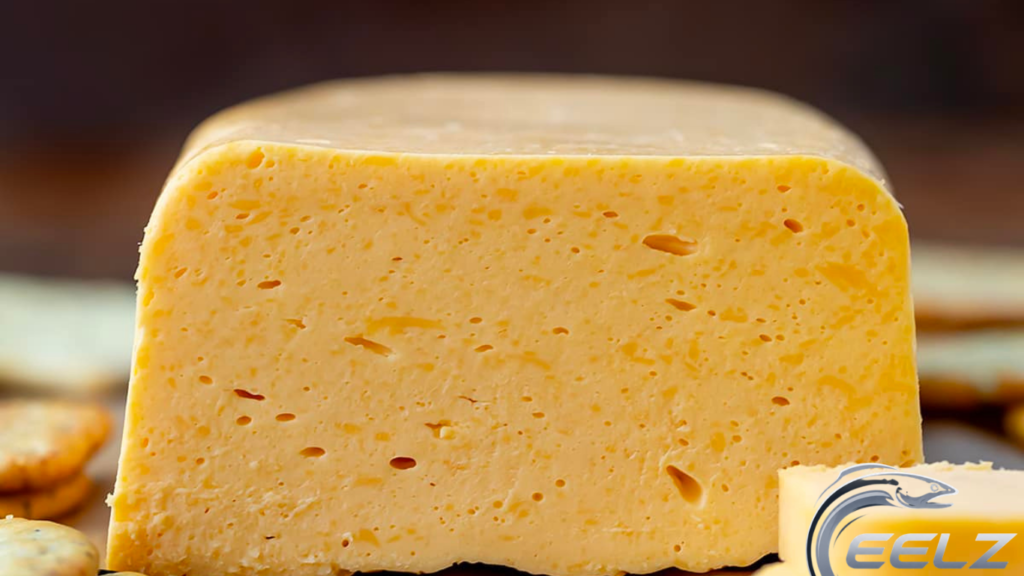
Is Velveeta real cheese? The question surfaces every time someone prepares a tray of nachos, stirs a pot of macaroni or debates the contents of the bright yellow box on the supermarket shelf. For more than a century this smooth, orange product has occupied a peculiar place in kitchens, particularly across North America, where its unmatched meltability has made it a fixture at parties, family dinners and late-night snacks. Yet the answer is more complicated than a simple yes or no.
Velveeta began life as a practical solution to waste and has evolved into something the regulators no longer classify as cheese at all. Understanding its journey reveals both the ingenuity of early food science and the modern realities of processed dairy products.
Origins and Early Development
Velveeta was created in 1918 by Emil Frey, a Swiss immigrant and skilled cheesemaker working for the Monroe Cheese Company in Monroe, New York. The company faced a common problem of the era: broken or misshapen wheels of Swiss cheese from its Pennsylvania factory that could not be sold as whole products. Rather than discard the scraps, Frey experimented at home. Over roughly two years he combined the broken pieces with whey, the liquid byproduct of cheesemaking, and an emulsifier. The result was a product that melted into a remarkably smooth, velvety sauce. The name Velveeta was chosen to evoke that texture.
In 1923 the Velveeta Cheese Company was incorporated as a separate entity. By 1927 Kraft Foods acquired the brand. Early versions were made from real cheese blends, often including cheddar, Colby and Swiss, and the product was marketed as a convenient, nutritious dairy option. In the 1930s it even received recognition related to its nutritional profile at a time when processed foods were viewed as modern and progressive.
Rise to Popularity
Kraft’s resources helped Velveeta reach a wide audience. Its reliable melting behaviour set it apart from natural cheeses that could separate into oily pools and stringy solids when heated. Home cooks discovered it worked beautifully in grilled cheese sandwiches, casseroles and, later, the classic combination with diced tomatoes and green chillies that became known as queso dip.
Throughout the mid-twentieth century Velveeta appeared in advertisements targeting busy households. It was promoted for its mild flavour, smooth consistency and relatively lower fat content compared with some traditional cheeses. The product’s shelf stability, once opened and refrigerated, further cemented its practicality. Over the decades Kraft expanded the range with slices, shredded versions and boxed macaroni-and-cheese meals that used the signature sauce. Its reputation rested less on artisanal credentials and more on consistent performance in the kitchen.
Formulation Changes and Regulatory Scrutiny
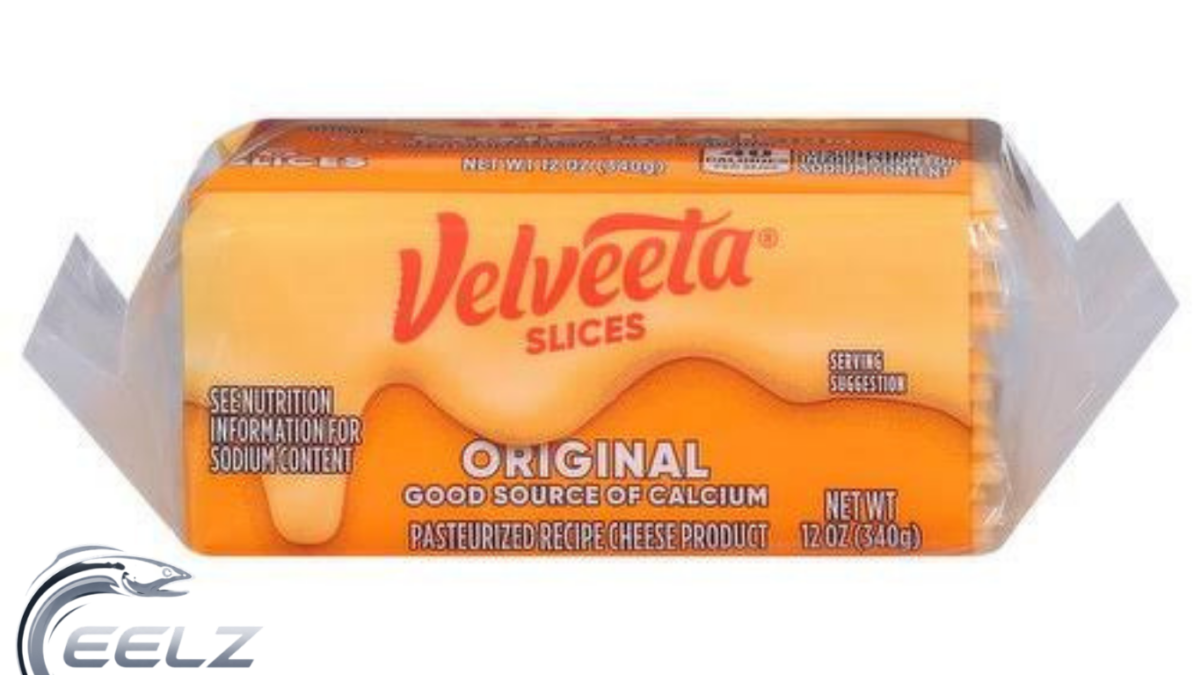
The product did not remain static. Reformulations occurred over the years. By the early 2000s the ingredient list had shifted significantly. In 2002 the US Food and Drug Administration issued a warning letter to Kraft. The agency determined that Velveeta no longer met the standards of identity for a “pasteurized process cheese spread” because it contained milk protein concentrate, an ingredient not permitted under those specific definitions. Kraft adjusted the labelling. The product is now sold in the United States as a “pasteurized prepared cheese product,” a term without a strict FDA standard of identity.
This change is central to the question of whether Velveeta is real cheese. Under FDA rules, products labelled simply as cheese or certain processed cheese categories must meet precise compositional requirements involving actual cheese content, moisture, fat and other factors. Velveeta’s current formulation falls outside those categories.
What Is Actually in Velveeta
Contemporary ingredient lists typically begin with skim milk and milk, followed by canola oil, milk protein concentrate, whey, whey protein concentrate, sodium phosphate and smaller amounts of salt, calcium phosphate, lactic acid, sorbic acid (as a preservative), sodium citrate, sodium alginate, enzymes, colourings such as apocarotenal and annatto, and cheese culture. Cheese itself is not listed as a primary ingredient in the way it appears in many other processed cheeses.
The emulsifying salts, particularly sodium citrate and sodium phosphate, are responsible for the famous smooth melt. They help the proteins and fats stay evenly dispersed when heated, preventing the separation that occurs with many natural cheeses. The result is the velvety texture that gave the product its name and its lasting appeal for dips and sauces.
Nutritionally, a typical serving provides moderate protein and calcium along with notable sodium. It contains less fat than many traditional cheeses such as cheddar, a point Kraft has highlighted in marketing. However, it is a highly processed food, and like similar products it is best viewed as an occasional convenience rather than a nutritional cornerstone.
Current Uses and Cultural Place
Today Velveeta remains widely available in block, slice and shredded forms, as well as in ready-to-heat meals. It continues to be the preferred base for many home versions of queso and for creamy macaroni dishes where a uniform, non-separating sauce is desired. Some cooks combine it with higher-quality cheeses to gain both flavour complexity and reliable melt. Plant-based alternatives and other processed cheese products compete in the same space, yet the original retains strong brand recognition and nostalgic loyalty.
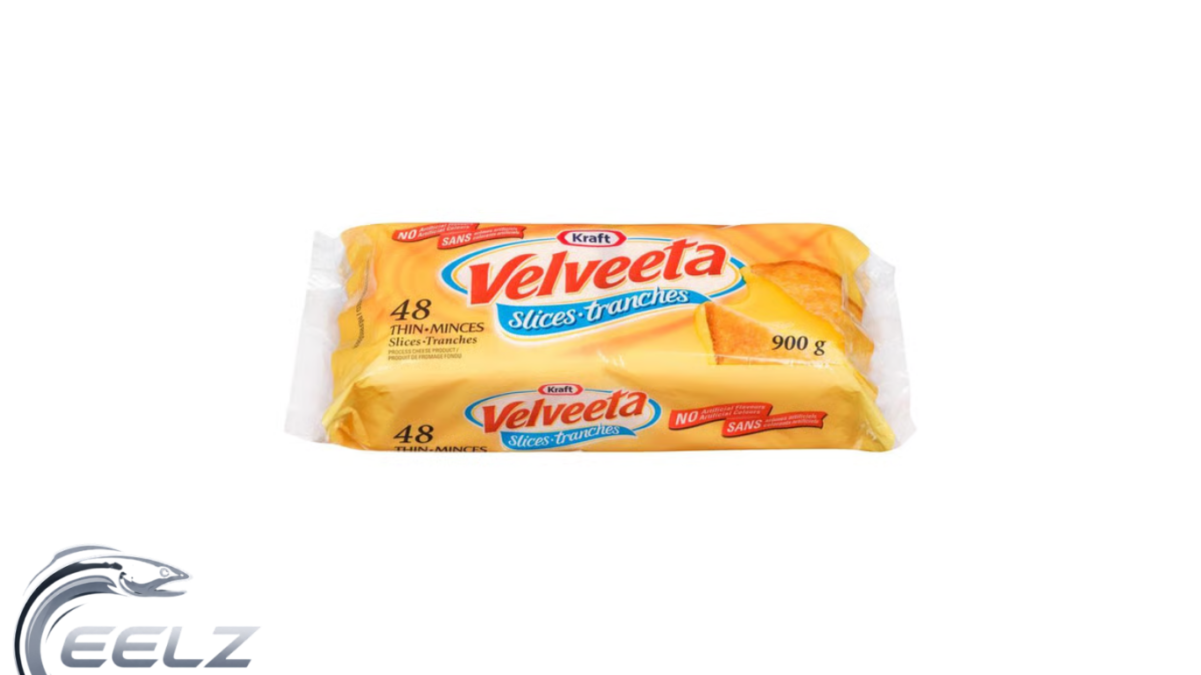
The product is primarily associated with American food culture, though it has been sold in various international markets over the years. Its bright colour and distinctive packaging make it instantly recognisable on shelves.
Quick Facts
| Detail | Information |
| Full Name | Velveeta |
| Year Introduced | 1918 |
| Inventor | Emil Frey |
| Place of Origin | Monroe, New York, USA |
| Current Owner | Kraft Heinz |
| Classification | Pasteurized prepared cheese product |
| Key Characteristic | Exceptional smooth melting |
| Primary Uses | Dips, sauces, macaroni and cheese, sandwiches |
Legacy and Lasting Impact
Velveeta’s story illustrates how food technology can solve practical problems and create enduring cultural habits. What began as a clever way to use cheese scraps became a pantry staple precisely because it performed a job natural cheese often could not: melting into a stable, silky sauce without fuss. Its reclassification by regulators has not diminished its popularity; if anything, the conversation around whether Velveeta is real cheese has kept the brand in the public eye.
For many people the product represents convenience, nostalgia and the particular pleasures of American comfort food. Others regard it as a symbol of ultra-processed eating and prefer traditional cheeses. Both perspectives can coexist. The facts are clear: by current regulatory standards and ingredient composition, Velveeta is not real cheese. It is a carefully engineered dairy-based product designed for meltability and shelf stability.
Conclusion
Is Velveeta real cheese? No. It is a pasteurized prepared cheese product whose modern formulation no longer meets the legal definitions of cheese or the older categories of processed cheese spread. Yet that technical distinction has never fully erased its place at the table. From its origins in a New York cheesemaker’s kitchen to its current role in countless recipes, Velveeta has succeeded by delivering a specific and reliable experience.