
The Ultimate Asian Seafood Boil Sauce Recipe for a Flavour-Packed Feast

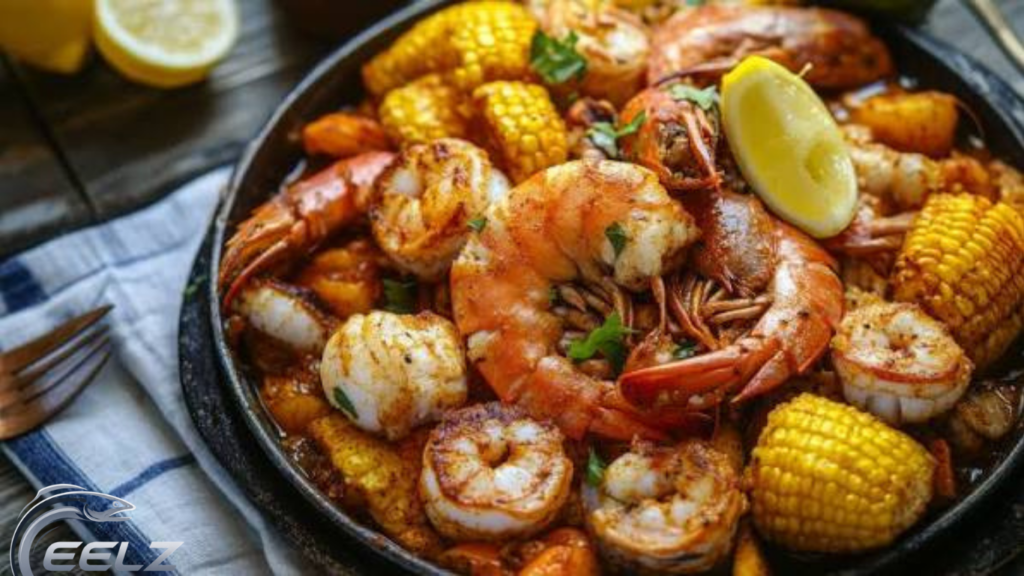
There is something deeply satisfying about a proper seafood boil. The shared table, the mound of prawns, crab, mussels and corn, the sticky fingers and the laughter that follows. In recent years, cooks across the UK and beyond have been reaching for an Asian seafood boil sauce recipe to lift that classic low-country style into something brighter, more aromatic and layered with umami.
This style of sauce draws on the bold, balanced flavours found in Chinese, Vietnamese, Thai and Korean kitchens – soy, oyster sauce, fresh ginger, garlic, sesame and a touch of heat – while still delivering the rich, buttery coating that makes a boil so moreish. It is quick to prepare, endlessly adaptable and turns everyday seafood into a memorable centrepiece. Whether you are feeding a crowd at a weekend gathering or simply elevating a midweek treat, this Asian seafood boil sauce recipe delivers reliable results without fuss.
The beauty lies in its simplicity. Most of the ingredients sit in a well-stocked cupboard or fridge, and the method takes little more than ten to fifteen minutes of active cooking. Once you have mastered the base, you can tweak the heat, sweetness or citrus to suit your palate.
Why an Asian Twist Works So Well with Seafood
Traditional seafood boils often rely on Cajun or Old Bay seasoning for their distinctive punch. An Asian-inspired version keeps the communal spirit but shifts the flavour profile towards savoury depth, gentle sweetness and fragrant aromatics. Soy and oyster sauces provide the backbone of umami, while ginger and garlic bring warmth and freshness. A little brown sugar or honey rounds out the edges, and lime or lemon juice cuts through the richness so the sauce never feels heavy.
This approach is especially popular in fusion cooking and among home cooks who already love dishes such as chilli crab, Singaporean-style seafood or Vietnamese seafood stews. The result is a sauce that clings beautifully to shells and flesh alike, encouraging everyone to dig in and mop up every last drop.
Ingredients for the Asian Seafood Boil Sauce
This recipe yields enough sauce for a generous boil serving six to eight people. It can easily be scaled up or down.
For the sauce:
- 100 g unsalted butter
- 2 tablespoons neutral oil (vegetable or sunflower)
- 6–8 garlic cloves, finely minced
- 1 thumb-sized piece of fresh ginger, grated (about 1 tablespoon)
- 2–3 bird’s eye chillies or 1–2 teaspoons chilli flakes (adjust to taste)
- 4 tablespoons light soy sauce
- 2 tablespoons oyster sauce
- 1 tablespoon hoisin sauce (optional, for extra depth)
- 1 tablespoon toasted sesame oil
- 1 tablespoon brown sugar or honey
- 100 ml chicken or seafood stock
- Juice of 1 large lime (plus extra wedges to serve)
- 2 spring onions, thinly sliced
- Small handful of fresh coriander leaves, roughly chopped (optional)
A pinch of ground white pepper or a teaspoon of Chinese five-spice can be added for subtle complexity if desired. Fresh lemongrass, finely chopped, also works well if you favour Thai or Vietnamese notes.
How to Make the Asian Seafood Boil Sauce
Start by melting the butter with the neutral oil in a medium saucepan over medium heat. Once the butter has foamed and settled, add the minced garlic, grated ginger and chillies. Cook gently for two to three minutes, stirring often, until the mixture is fragrant but not browned. Burnt garlic will turn the sauce bitter, so keep the heat moderate.
Stir in the soy sauce, oyster sauce, hoisin (if using), sesame oil and brown sugar. Let everything bubble for a minute so the sugar dissolves and the sauces meld. Pour in the stock and bring the mixture to a lively simmer. Reduce the heat and let it cook for six to eight minutes, stirring occasionally, until the sauce has thickened slightly and the flavours have concentrated.
Remove the pan from the heat. Squeeze in the lime juice and taste. Adjust with a little more soy for saltiness, sugar for balance, or chilli for heat. Stir through most of the spring onions and coriander, reserving a little for garnish. The sauce is now ready to use.
You can make it ahead and reheat gently just before serving. It also freezes well for up to a month.
Preparing the Seafood Boil Itself
While the sauce simmers, prepare your boil. A typical selection might include:
- 1 kg large prawns (shell-on for flavour)
- 800 g mussels or clams, cleaned
- 2–3 crabs, cleaned and halved, or a mix of crab legs
- 500 g baby potatoes
- 2–3 corn cobs, cut into shorter pieces
- Optional: smoked sausage or firm tofu for variety
Fill a large stockpot with water, add a generous amount of salt, a few slices of ginger, a couple of garlic cloves and perhaps a star anise or two. Bring to the boil. Cook the potatoes first until almost tender, then add the corn. Finally tip in the seafood in stages according to cooking time – crabs and larger shellfish first, prawns and mussels last – so nothing overcooks. Drain well once everything is just cooked through.
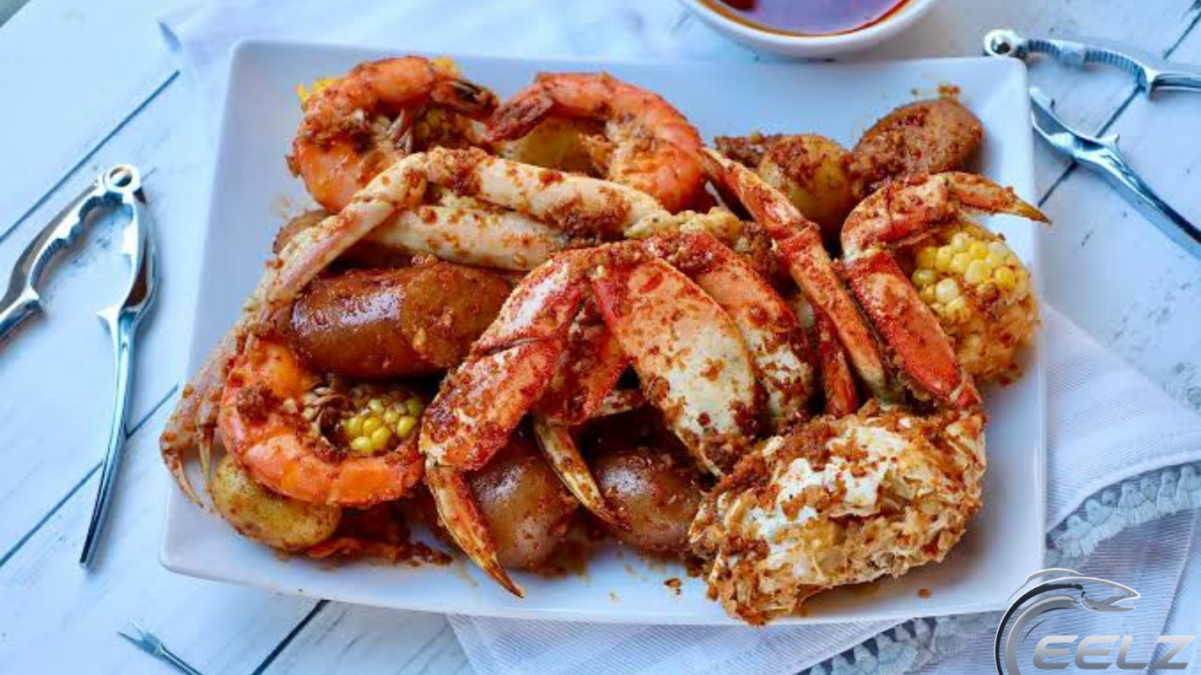
Transfer the hot seafood and vegetables to a large serving platter or directly onto a paper-lined table. Pour the warm Asian seafood boil sauce generously over the top, tossing gently so every piece is coated. Scatter the remaining spring onions and coriander, and serve with extra lime wedges, steamed rice or crusty bread for mopping.
Tips for Success and Easy Variations
Use the freshest seafood you can find. Shell-on prawns and crabs release more flavour into the dish and give diners the pleasure of peeling and cracking as they eat.
Control the heat carefully. Bird’s eye chillies deliver sharp, clean heat; dried flakes are milder and more rounded. For a milder version, remove the seeds or reduce the quantity. Those who enjoy serious spice can add a spoonful of chilli garlic sauce or a dash of Sichuan pepper for numbing warmth.
For a richer, creamier finish inspired by Viet-Cajun styles, increase the butter slightly and finish with a splash of coconut milk. A Korean-leaning version might incorporate a spoonful of gochujang or gochugaru. Chinese-inspired cooks sometimes add a little doubanjiang (fermented chilli bean paste) for deeper savouriness.
Leftover sauce is excellent tossed through noodles, drizzled over grilled fish or used as a dipping sauce for dumplings. Store any unused portion in an airtight container in the fridge for three to four days.
Serving Suggestions and Pairings
This dish shines as a centrepiece for informal gatherings. Lay everything out on a large table, provide plenty of napkins and finger bowls, and let people help themselves. A simple green salad with a sharp dressing helps cut the richness, as does a cold lager, crisp white wine or light lager-style beer.
For a more complete meal, serve with sticky rice, steamed bao or soft white rolls. A quick cucumber salad dressed with rice vinegar, a pinch of sugar and sesame oil makes a refreshing side.
Storage and Make-Ahead Advice
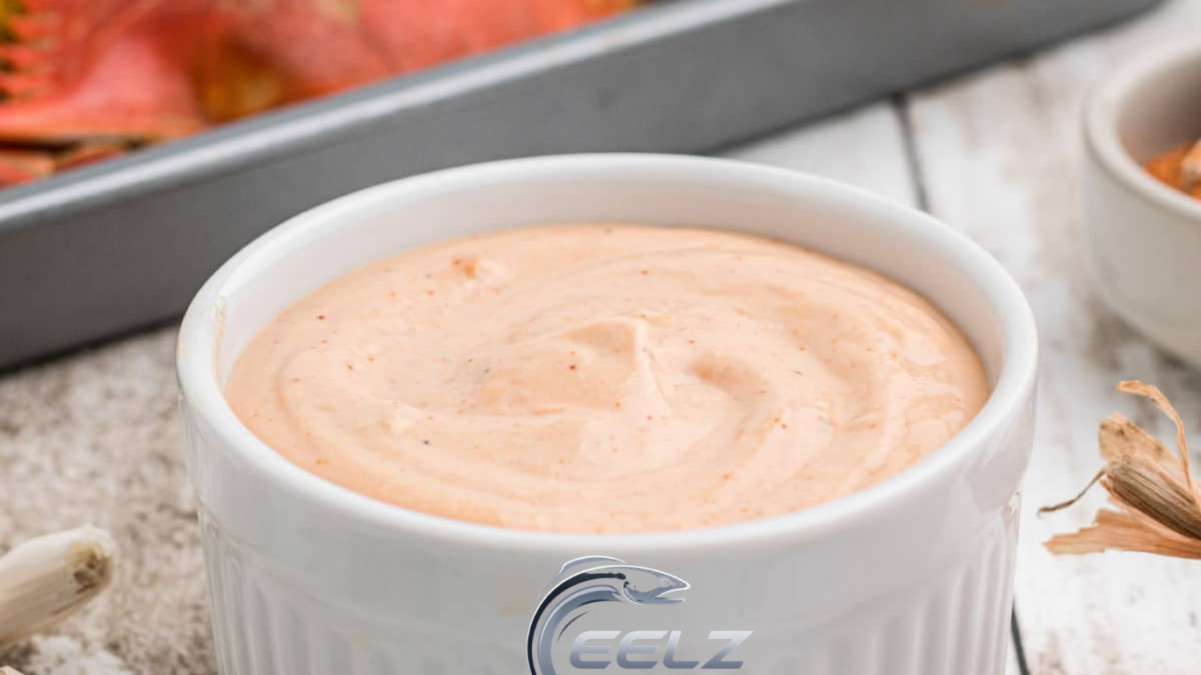
The sauce can be prepared a day in advance and refrigerated. Reheat gently on the hob, adding a splash of stock or water if it has thickened too much. The seafood itself is best cooked fresh, though you can prepare the vegetables ahead and reheat them briefly in the sauce.
A Sauce Worth Making Again and Again
An Asian seafood boil sauce recipe succeeds because it respects the natural sweetness of the seafood while surrounding it with layers of flavour that feel both familiar and exciting. The combination of soy, ginger, garlic and chilli creates a coating that is sticky, aromatic and deeply satisfying without overwhelming the main ingredients.
Conclusion
Once you have the basic method under your belt, it becomes a flexible template rather than a rigid formula. Adjust the sweetness, heat or citrus to match the season or the company at the table. The result is the kind of meal that encourages lingering, conversation and second helpings.