
The Home Depot: How Two Fired Executives Built a Retail Empire


Few companies have reshaped everyday life quite like The Home Depot. What began as a bold idea in a Los Angeles coffee shop has grown into the world’s largest home improvement retailer, with more than 2,300 stores across the United States, Canada and Mexico and nearly 475,000 associates. The orange apron has become a familiar sight for do-it-yourselfers and professional contractors alike. Readers remain drawn to the story because it blends classic entrepreneurial grit with a clear focus on customer service, community and practical problem-solving.
The company’s rise mirrors the growth of American suburbs and the DIY movement. From two warehouse-style stores opened in Atlanta in 1979, The Home Depot has become a household name synonymous with vast selection, competitive prices and knowledgeable staff. Its journey offers lessons in resilience, vision and the power of putting customers and associates first.
Early Life and Background
The roots of The Home Depot lie in the experiences of its co-founders, Bernard “Bernie” Marcus and Arthur Blank. Marcus was born on 12 May 1929 in Newark, New Jersey, to Russian Jewish immigrant parents. His father worked as a cabinet maker and the family lived in a tenement. Marcus grew up during the Great Depression. He initially hoped to become a doctor and was accepted to Harvard Medical School, but could not afford the tuition. He instead graduated from Rutgers University with a degree in pharmacy and entered retailing.
Arthur Blank was born on 27 September 1942 in Queens, New York, to Jewish parents Max and Molly Blank. His father was a pharmacist who ran a small pharmaceutical business. When Max died of a heart attack when Arthur was 15, Molly took over the company and worked long hours to keep it going. Blank graduated from Stuyvesant High School and earned a business administration degree from Babson College in 1963. He began his career as an accountant before joining the family business, which was later acquired by Daylin Corporation.
Both men eventually worked at Handy Dan Home Improvement Centers, a Daylin subsidiary. Marcus rose to become chairman and president, while Blank served as vice president of finance. In April 1978 they were fired, along with finance executive Ron Brill, during a corporate power struggle. The setback proved pivotal. Over coffee in Los Angeles, Marcus and Blank sketched out a new concept: large warehouse stores stocked with a far wider range of products than traditional hardware shops, sold at low prices and staffed by trained associates who could guide customers through projects.
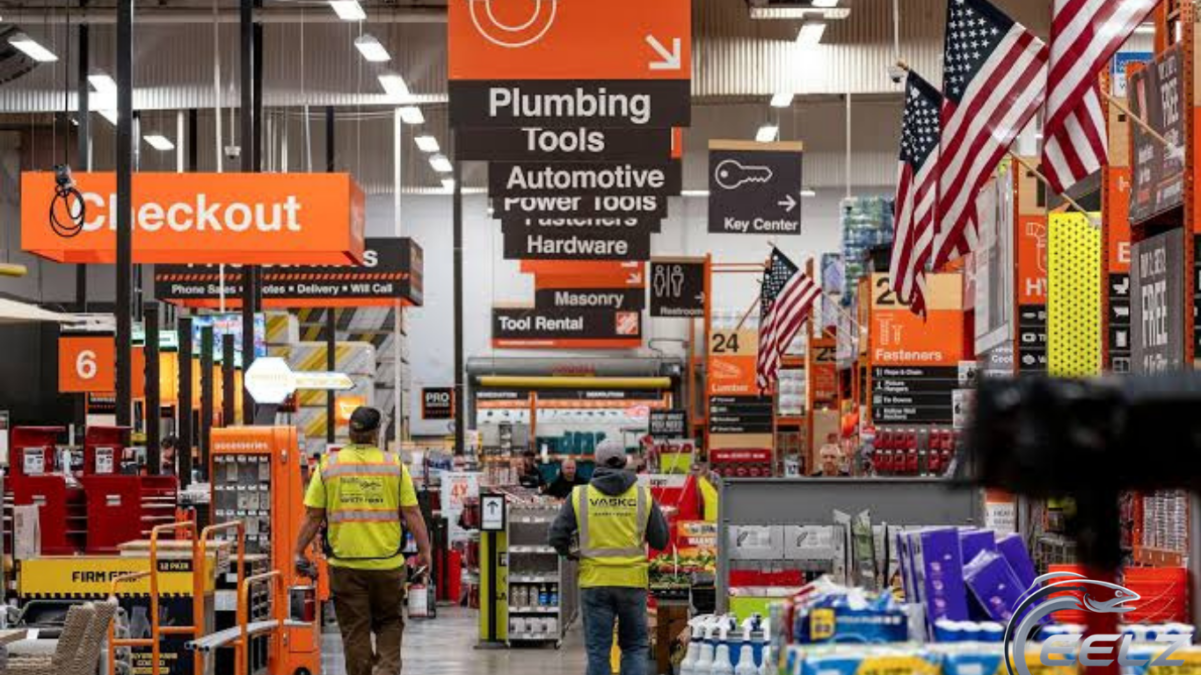
With backing from investment banker Ken Langone and merchandising expertise from Pat Farrah, they incorporated The Home Depot in Delaware in 1978. The first two stores opened on 22 June 1979 in the Atlanta suburbs of Doraville and Decatur, in former JCPenney and Treasure Island spaces. Each measured around 60,000 square feet and carried roughly 25,000 items—far more than typical competitors. The founders deliberately created a warehouse atmosphere with sawdust and skid marks on the floors. Orange aprons, chosen for their energy and visibility, quickly became a signature of the brand.

Career and Rise to Fame
Early results were modest. By the end of 1979 the company operated three stores with about 200 associates and weekly sales averaging $81,700. Growth accelerated after the September 1981 initial public offering on Nasdaq, which raised more than $4 million. Shares later moved to the New York Stock Exchange. Expansion followed into Florida and then other states. By 1984 the company had 19 stores and sales of $256 million. It surpassed Lowe’s to become the largest US home-improvement retailer by 1989–90 and opened its 100th store that year.
The model proved highly scalable. Stores grew larger—today averaging about 105,000 square feet of indoor space—and the assortment expanded to serve both DIY customers and professional contractors. In-store clinics and workshops taught practical skills. A customer “bill of rights” emphasised assortment, price, quantity and knowledgeable help. The “whatever it takes” philosophy guided associates.
Major milestones included consistent financial growth through the 1990s, the launch of Expo Design Centers, Olympic sponsorship and job opportunities for athletes, and early moves into e-commerce and interconnected retail. The company has received recognition for sustainability efforts, including multiple EPA Partner of the Year awards for Safer Choice, SmartWay and WaterSense programmes. It has also been named among Fortune’s Most Admired Companies.
Public reputation rests on reliability, scale and a culture that values associates. The inverted pyramid organisational model places front-line staff at the top. Collaborations with suppliers and community partners have further strengthened the brand.
Personal Challenges or Turning Points
The most significant turning point came with the 1978 firings. Marcus, then nearly 50, and Blank faced sudden unemployment after years of building Handy Dan. Rather than accept defeat, they turned the experience into opportunity. Early years brought financial pressure; the first year produced a loss of nearly $1 million despite $7 million in sales. Rapid expansion in the mid-1980s also created temporary earnings pressure and rising debt.
The company navigated broader retail shifts, including the rise of online shopping and the surge in DIY demand during the early 2020s pandemic years. Leadership transitions—Marcus and Blank eventually stepped back from day-to-day roles—required careful succession. Through these periods the core values of customer service, value and community support remained constant, helping the business recover and adapt.
Personal Life
As a publicly traded corporation, The Home Depot does not have a private family life in the conventional sense. Publicly confirmed information centres on its founders and corporate culture. Marcus and Blank both became major philanthropists. Marcus, who died on 4 November 2024 at the age of 95, emphasised the Jewish tradition of tzedakah (charitable giving) learned from his mother. Blank has continued extensive philanthropy through the Arthur M. Blank Family Foundation and remains involved with the Atlanta Falcons and other ventures.
The company itself maintains strong internal support systems. The Homer Fund, established in 1999, has provided hundreds of millions of dollars in assistance to associates facing hardship. Team Depot, the associate volunteer programme launched in 1993, mobilises staff for community projects. These efforts reflect the founders’ belief that success carries a responsibility to give back.
Later Career and Current Activities
Under current leadership, including Chair, President and CEO Edward P. “Ted” Decker, The Home Depot continues to expand its interconnected retail model. Fiscal 2025 sales reached approximately $164.7 billion, with online sales forming a growing share. The company operates more than 2,300 stores and employs around 470,000–475,000 people. Recent activity includes supply-chain investments, delivery expansions (including for military families overseas), innovation awards for products, and organisational adjustments to support growth.
Charity remains central. The Home Depot Foundation has surpassed $1 billion in cumulative giving. It has invested hundreds of millions in veteran housing and support—improving more than 70,000 veteran homes and facilities—with a goal of $750 million by 2030. Disaster response, skilled-trades training through Path to Pro, and community volunteerism continue at scale. Sustainability initiatives focus on safer products, efficient transport and water conservation.
The company also supports associates through ongoing programmes and maintains a presence in Canada and Mexico alongside its dominant US operations.
Quick Bio
| Detail | Information |
| Full Name | The Home Depot, Inc. |
| Date of Founding | 1978 (incorporated); first stores June 1979 |
| Place of Founding | Atlanta, Georgia, USA |
| Nationality | American |
| Profession | Home improvement retailer |
| Years Active | 1978–present |
| Known For | Warehouse-style stores, DIY culture, orange aprons |
| Estimated Market Cap | Approximately $330–340 billion (mid-2026) |
Legacy and Lasting Impact
The Home Depot remains important because it transformed how people approach home improvement. By combining warehouse scale with genuine customer education, it helped democratise DIY projects and support professional trades. Its influence extends beyond retail into community investment, particularly for veterans and disaster-affected areas, and into workplace culture that prioritises associates.
Public perception is generally that of a reliable, large-scale partner for homeowners and contractors. The story of two executives turning dismissal into a Fortune-ranked enterprise illustrates resilience, clear vision and the value of treating customers and staff with respect. Lessons from the journey include the power of a focused concept executed consistently, the importance of giving back, and the ability to adapt while preserving core principles.
Conclusion
From a coffee-shop conversation after being fired to a global retail leader generating more than $160 billion in annual sales, The Home Depot’s path reflects determination and a practical understanding of what people need to improve their homes. The orange apron continues to represent expertise and willingness to help, while the company’s community work extends that spirit beyond the store walls. Its founders’ emphasis on service, value and contribution still shapes the organisation nearly five decades later.