
Best Locro de Zapallo Near Me: Discovering the Heartwarming Andean Pumpkin Stew

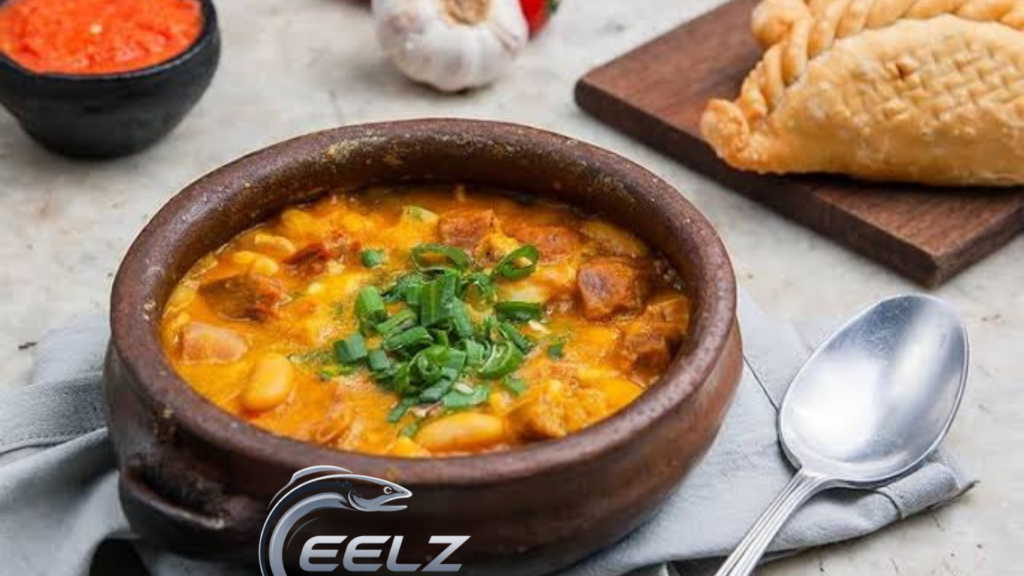
In a world of fleeting food trends and Instagram-ready plates, few dishes offer the deep comfort and cultural resonance of locro de zapallo. This hearty Andean pumpkin stew, with its roots stretching back centuries in the mountains of South America, continues to draw food lovers seeking something nourishing, flavourful, and authentic. Whether you’re typing “best locro de zapallo near me” into a search bar on a chilly evening or exploring Peruvian and Latin American cuisine for the first time, this dish delivers satisfaction in every spoonful.
Its creamy texture from slow-cooked squash, balanced with the earthiness of potatoes, subtle heat from ají amarillo, and fresh herbs, makes it a standout. In the UK, where global flavours thrive in vibrant cities like London, finding the real deal—or recreating it at home—has never been more rewarding.
The Origins and Cultural Significance of Locro de Zapallo
Locro de zapallo traces its heritage to the indigenous peoples of the Andes, with the Quechua word ruqru or rocro evolving into the more familiar “locro.” Pre-dating Spanish arrival, early versions centred on native ingredients like squash, potatoes, corn, and chillies. Over time, European influences introduced onions, garlic, milk, and cheese, enriching the stew without overshadowing its Andean soul.
Primarily associated with Peru, variations appear across Bolivia, Ecuador, Argentina, and beyond. In Peru, locro de zapallo often highlights zapallo (a type of orange-fleshed squash or pumpkin), making it a comforting, sometimes vegetarian-friendly main. It embodies the resourcefulness of highland cooking—transforming humble produce into something deeply satisfying, especially during colder months.
This dish’s enduring appeal lies in its versatility and symbolism. It represents fusion and resilience: native foundations meeting colonial additions, much like the cultures of the Andes themselves. Families gather around pots of locro during celebrations or quiet evenings, passing down recipes that adapt to available ingredients while preserving tradition.
What Makes the Best Locro de Zapallo Stand Out
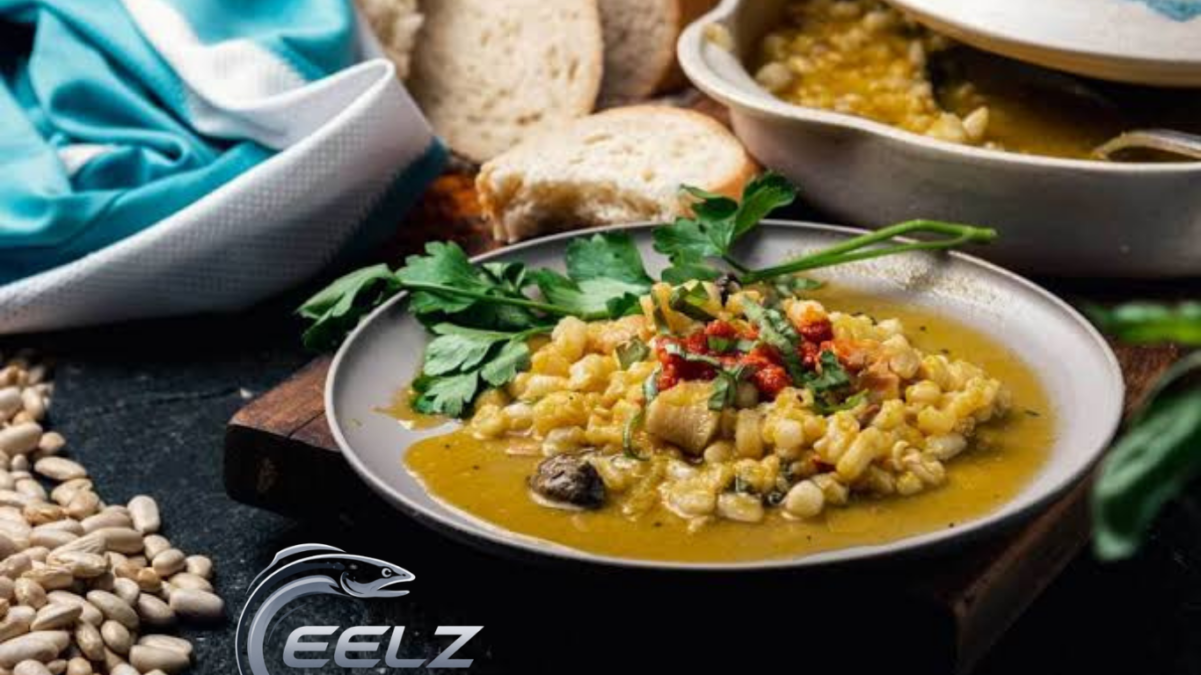
When searching for the “best locro de zapallo near me,” focus on authenticity and quality. The ideal version features tender but not mushy cubes of pumpkin or squash that hold their sweet, nutty character. Floury potatoes add body, while Peruvian corn (choclo), peas, and broad beans contribute texture. A touch of evaporated milk or cheese brings creaminess, and ají amarillo paste delivers gentle warmth rather than overwhelming spice.
Huacatay (Andean black mint) often provides an aromatic herbal note unique to Peruvian preparations, though cilantro serves as a common substitute. The stew should simmer slowly, allowing flavours to meld into a harmonious, chunky consistency—neither too thin like soup nor overly thick.
In restaurants, look for places using fresh, seasonal produce and traditional techniques. Avoid versions that taste overly sweet or lack depth; the best balance sweetness from the squash with savoury elements and subtle heat.
Finding Authentic Locro de Zapallo in the UK
For those in the UK, particularly London, the search for “best locro de zapallo near me” leads to the thriving Latin American and Peruvian dining scene. While not every Peruvian spot lists it daily (as menus rotate with specials), several restaurants celebrate Andean classics.
Areas like Peckham, Brick Lane, and central London host gems. Establishments such as Tierra Peru, Andina, or Señor Ceviche often feature hearty stews and traditional flavours. COYA in the City offers refined Peruvian dining where one might encounter inspired versions or similar comforting dishes. Independent spots and food markets in diverse neighbourhoods frequently serve home-style Andean fare, especially in winter.
Use apps and review sites with filters for Peruvian or South American cuisine, and don’t hesitate to call ahead—many chefs are happy to prepare locro if requested. In other UK cities, seek out Latin markets or pop-ups; Peruvian communities and restaurants continue to grow.
For the ultimate experience, consider attending food festivals or events celebrating South American independence days, where locro often appears as a festive staple.
How to Make Locro de Zapallo at Home
Recreating this dish is straightforward and rewarding, especially with accessible substitutions. UK supermarkets stock butternut squash, pumpkin, or similar winter varieties as excellent stand-ins for traditional zapallo.
Basic Ingredients (serves 4-6):
- 700-800g butternut squash or pumpkin, peeled and cubed
- 2-3 medium floury potatoes, peeled and cubed
- 1 large red onion, finely chopped
- 2-3 garlic cloves, minced
- 1-2 tbsp ají amarillo paste (available online or in specialist stores; adjust for heat)
- 200g Peruvian corn (frozen choclo or sweetcorn as substitute)
- 100g peas (fresh or frozen)
- Optional: broad beans, a handful of fresh herbs like huacatay paste or cilantro
- 200-300ml evaporated milk or vegetable stock for creaminess
- 150-200g queso fresco or mild feta, cubed (optional)
- Oil, salt, pepper, and oregano to taste
- Cooked white rice, to serve
Method: Sauté the onion and garlic until soft. Add the ají paste and herbs, then incorporate the squash and potatoes. Cover with stock or water and simmer gently for 20-30 minutes until vegetables soften. Stir in corn, peas, milk, and cheese towards the end, cooking until the stew thickens to your liking. Season and serve hot with rice.
Variations abound: add shrimp or beef for protein, or keep it fully plant-based. Experiment with different squashes for nuanced sweetness. Slow cookers work wonderfully for deeper flavour development.
Personal Touches and Modern Twists
Many home cooks and chefs personalise locro de zapallo. Some prefer a smoother, soup-like consistency; others keep it rustic and chunky. In the UK, fusion elements might include local produce or dietary adaptations, such as vegan versions using coconut milk.
The dish’s adaptability explains its popularity. It suits family meals, meal prep, or impressive dinners, pairing beautifully with a crisp salad or simple grilled protein.
Quick Facts About Locro de Zapallo
| Detail | Information |
| Origin | Andean regions, particularly Peru |
| Main Ingredients | Pumpkin/squash, potatoes, corn, ají amarillo |
| Key Flavours | Sweet-savory, mildly spicy, creamy |
| Serving Suggestion | With white rice; often as a main course |
| Dietary Notes | Easily vegetarian or vegan adaptable |
| Best Season | Autumn and winter |
Why Locro de Zapallo Endures
This stew’s lasting impact stems from its simplicity and soulfulness. In an era of fast food, it reminds us of slow-cooked meals that bring people together. Its influence extends beyond South America, inspiring global diners to explore Andean ingredients and techniques. Chefs worldwide highlight its nutritional benefits—rich in vitamins from squash, fibre, and comforting carbs.
Public perception views it as approachable yet exotic: comforting like a British stew but with vibrant Latin American character. Lessons from its story include valuing heritage ingredients, embracing fusion thoughtfully, and finding joy in humble, seasonal cooking.
Conclusion
Whether hunting for the best locro de zapallo near me in a bustling London neighbourhood or simmering a pot at home on a grey day, this Andean classic never disappoints. Its blend of history, flavour, and warmth makes it a dish worth seeking out and sharing.