A Guide to Sushi Rolls Names: Origins, Meanings and Modern Favourites

Sushi rolls have become a global favourite, yet the names attached to them often puzzle diners. From traditional Japanese maki to inventive Western creations, sushi rolls names carry history, ingredients and cultural adaptations that reveal far more than a simple menu listing. Understanding these names helps explain why certain rolls appear everywhere and how a once-local Japanese dish evolved into something recognised on high streets across the UK and beyond.
Interest in sushi rolls names remains strong because the labels themselves tell stories. Some point directly to fillings, others to mythical creatures or places of invention. Whether you are ordering for the first time or browsing a long menu, knowing the background turns a casual meal into a more informed experience.
Early History and Background of Sushi Rolls
The roots of sushi stretch back centuries. Early forms involved fermenting fish with rice for preservation, a practice that reached Japan from Southeast Asia. By the Edo period (1603–1868), vinegar replaced lengthy fermentation, creating haya-zushi or “fast sushi.” Rolled versions, known as makizushi, appeared around the mid-18th century once sheet nori became more widely available.
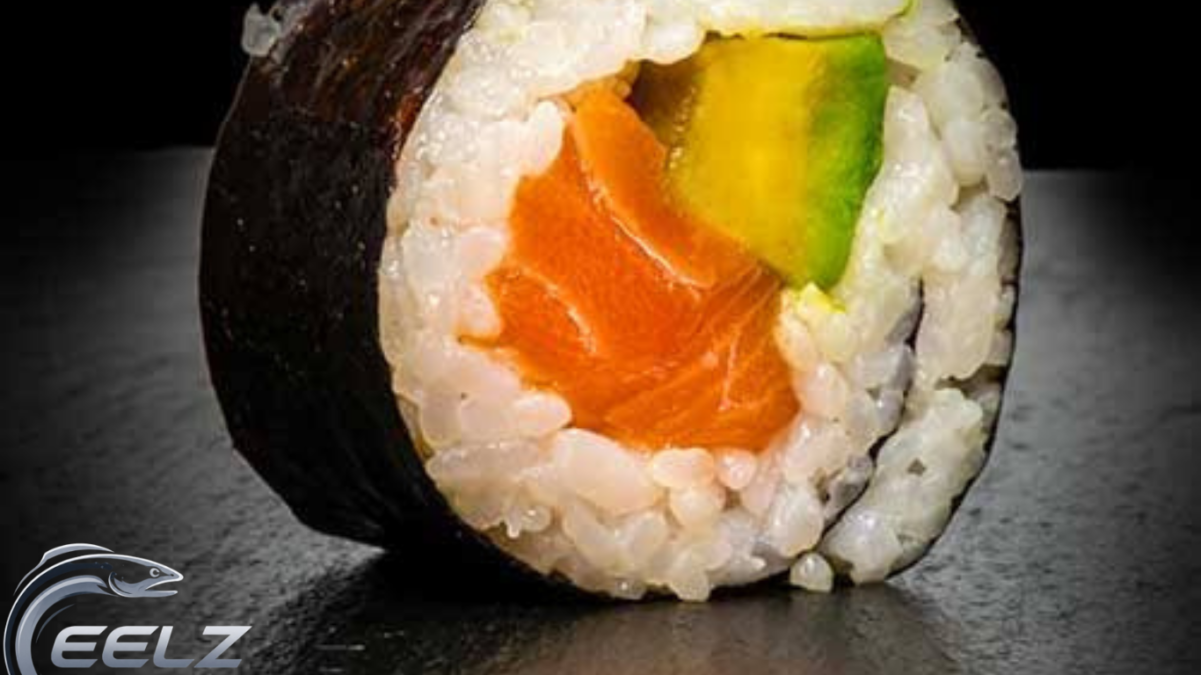
Traditional Japanese rolls took their names from ingredients or appearance. Hosomaki means thin roll and typically contains a single filling. Futomaki refers to thick rolls packed with several items such as egg, vegetables and cooked fish. Kappamaki is the cucumber roll; the name links to the mythical kappa, a water creature said to love cucumbers. Tekkamaki is the tuna roll, its name thought to reference the “iron fire” of gambling dens where the dish was popular, or simply the deep red colour of the fish.
These early names stayed literal and practical. Diners could often guess the contents from the title alone. Education in sushi craft remained apprenticeship-based in Japan, with skills passed down in family shops or through formal training. The focus stayed on balance, seasonality and precise technique rather than elaborate branding.
The Rise of Named Rolls and Western Influence
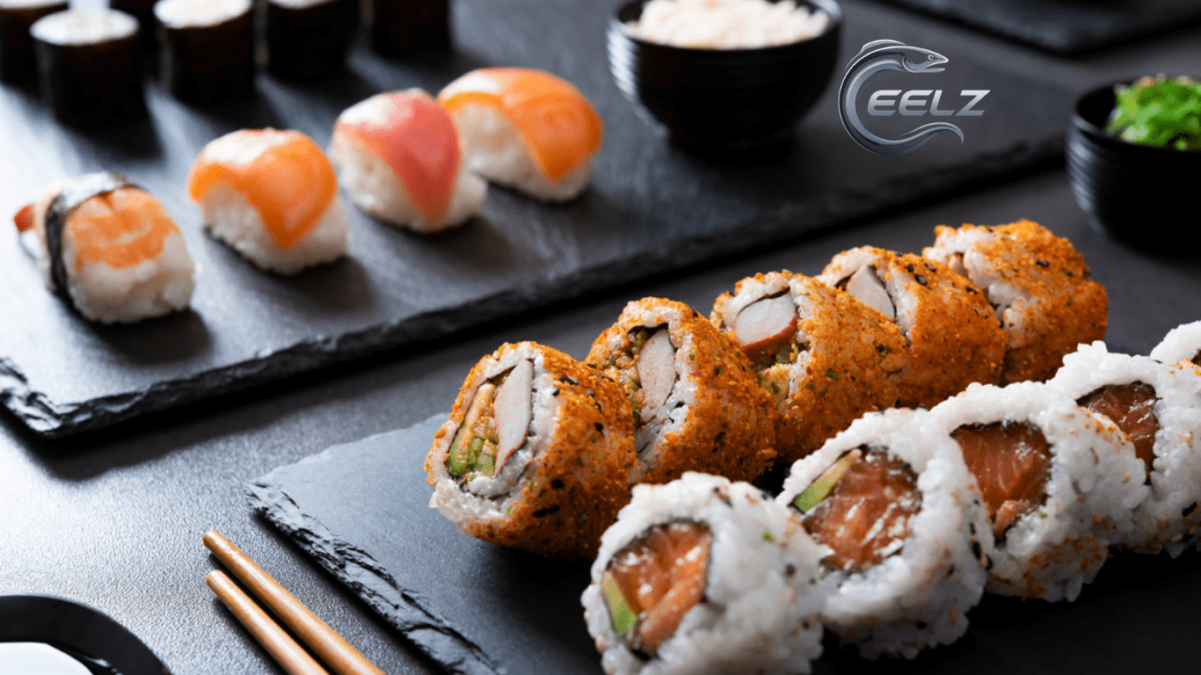
Sushi began reaching wider audiences outside Japan in the 20th century. The real explosion in creative sushi rolls names came in North America during the 1960s and 1970s. Chefs adapted recipes for local tastes, creating inside-out rolls (uramaki) that hid the nori and introduced familiar ingredients such as avocado and cooked crab.
The California roll is the most famous example. Its exact origin is disputed between Los Angeles and Vancouver, but the combination of imitation crab, avocado and cucumber, often with rice on the outside, made sushi approachable for newcomers wary of raw fish or seaweed. The name simply nodded to the state where it gained early popularity.
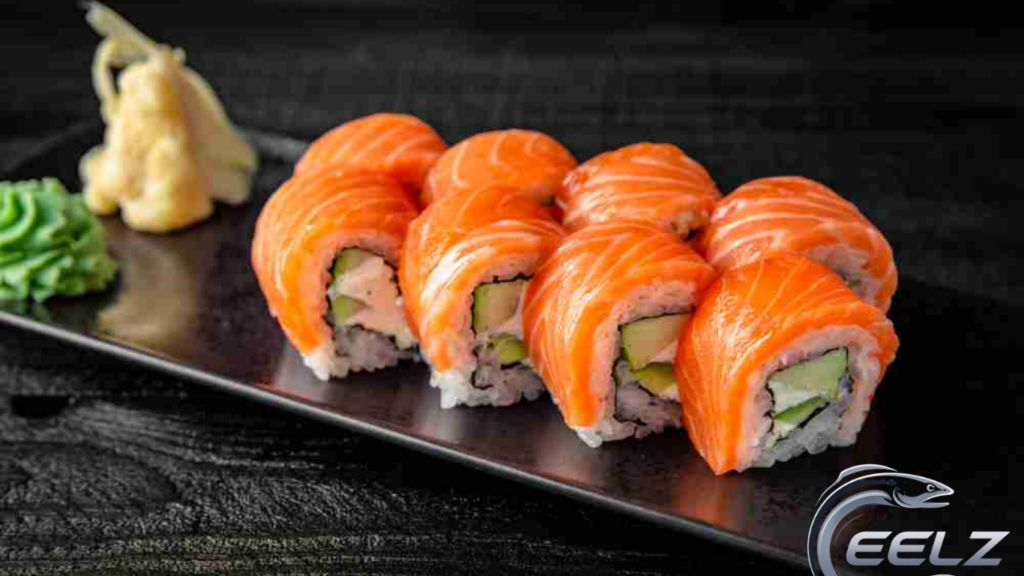
Other rolls followed a similar pattern of descriptive or evocative naming. The Philadelphia roll pairs salmon with cream cheese, referencing the well-known American cheese brand rather than the city. Rainbow rolls drape colourful slices of fish over a California-style base. Dragon rolls feature avocado arranged to resemble scales, usually over eel and cucumber. Spider rolls use soft-shell crab for a spiky, fried texture that suggests the name.
In the UK these names have become standard on many menus. California, salmon and avocado, spicy tuna, and prawn tempura rolls rank among the most frequently ordered. Creative titles continue to appear, sometimes referencing local landmarks, heat levels or visual effects, yet the classic Western names remain the most recognisable.
Challenges and Adaptations Along the Way
Not every name has a single, undisputed story. The California roll’s inventors are still debated, with chefs in both California and Canada claiming credit. Some traditionalists in Japan view certain Western rolls as departures from authentic practice, preferring simpler hosomaki or nigiri. Ingredient availability has also forced changes: real crab often becomes surimi, and seasonal fish may be substituted.
Public perception shifted gradually. Early Western diners sometimes discarded the nori or avoided raw fish, prompting the inside-out style and cooked fillings. Over time, greater familiarity allowed more authentic options to sit alongside the popular hybrids. Chefs and restaurants have responded by offering both traditional and inventive rolls, letting customers choose according to taste and comfort.
Resilience shows in the way sushi culture absorbed these changes. Rather than remaining fixed, the form expanded while retaining core techniques of vinegared rice, careful rolling and clean flavours.
Cultural Life and Everyday Place of Sushi Rolls
Sushi rolls occupy a flexible position in daily life. In Japan they appear at home, in convenience stores and at celebrations. Ehomaki, a special futomaki eaten whole while facing a lucky direction at Setsubun, keeps a ritual role. Outside Japan, rolls feature in takeaway, supermarket ranges and restaurant tasting menus.
Public discussion rarely centres on personal relationships of individual chefs; attention stays on the food itself. Confirmed information highlights the collective craft rather than private lives. Family-run shops in Japan and immigrant chefs abroad have both shaped the spread of named rolls. Statements from chefs often emphasise adaptation to local ingredients and preferences without abandoning Japanese foundations.
Current Popularity and Ongoing Evolution
Today sushi rolls names continue to multiply. UK menus commonly list salmon and avocado, spicy tuna, California, dragon and rainbow rolls alongside cucumber or avocado vegetarian options. Supermarket versions sometimes incorporate chicken or other cooked proteins to broaden appeal. New names appear regularly, inspired by flavour profiles, textures or visual drama—volcano, caterpillar, dynamite and many others.
Chefs experiment with plant-based fillings, different sauces and presentation styles while traditional thin and thick rolls remain available for those seeking simpler tastes. Charity events, cooking classes and food festivals keep interest high. The category shows no sign of fading; instead it absorbs new influences while the older names stay firmly in place.
Quick Reference Table of Common Sushi Rolls Names
| Detail | Information |
| Traditional Thin Rolls | Hosomaki (e.g. kappa, tekka) |
| Thick Rolls | Futomaki / ehomaki |
| Inside-Out Style | Uramaki |
| Best-Known Western Name | California roll |
| Popular UK Favourites | California, salmon & avocado, spicy tuna, tempura |
| Naming Style in Japan | Usually ingredient-based |
| Naming Style in West | Descriptive, place-based or visual |
| Common Fillings | Tuna, cucumber, avocado, crab, eel, prawn |
Only widely attested names and patterns from reliable culinary sources are included.
Lasting Influence of Sushi Rolls Names
Sushi rolls names matter because they map the journey of a dish from Japanese street food and home cooking to international staple. Traditional titles preserve clarity and cultural reference. Western inventions show how food travels and changes without losing its essential appeal. The variety encourages curiosity: a diner who starts with a California roll may later explore tekkamaki or futomaki.
Public perception now treats many of these names as familiar rather than exotic. The lasting impact lies in accessibility. Clear or evocative names lower the barrier to trying something new while still honouring technique and ingredients. Lessons from this evolution include the value of adaptation, the power of a good name to communicate, and the way shared food can bridge cultures.