
Best Upper Chest Workout: Build Fuller, More Defined Pecs

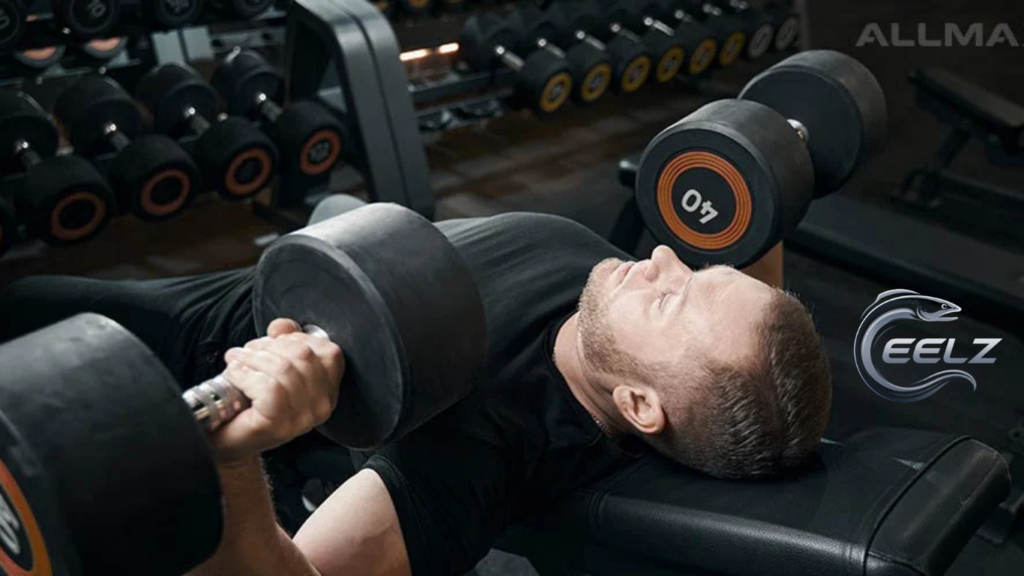
A well-developed upper chest creates that lifted, powerful look many lifters chase. Flat benching alone often leaves the clavicular head lagging, resulting in a chest that appears thick in the middle but flat near the collarbones. The best upper chest workout prioritises the right angles, progressive overload and consistent tension to address this common weak point.
Whether you train in a commercial gym or with limited equipment, focusing on incline pressing patterns and upward-pulling isolation movements delivers noticeable improvements in shape and strength. This guide covers the most effective exercises, form cues, sample routines and practical tips drawn from established training principles and electromyography insights.
Understanding the Upper Chest
The pectoralis major has two main sections. The larger sternal head covers the middle and lower chest. The clavicular head, or upper chest, originates along the collarbone and inserts on the upper arm. It assists in shoulder flexion and horizontal adduction, which is why movements that lift the arms at an upward angle recruit it more effectively.
Research comparing bench angles consistently shows that a moderate incline of roughly 15–45 degrees increases clavicular-head activation compared with a flat bench, while steeper angles shift more work onto the front deltoids. A 30-degree setting often strikes the best balance for most people. Flat pressing still contributes meaningfully to overall chest development, so it should not be abandoned entirely.
Why Prioritise Upper Chest Training
A fuller upper chest improves the visual balance of the torso, enhances posture and supports stronger pressing performance. Many intermediate lifters notice that their mid-chest grows readily while the upper portion remains stubborn. Adding dedicated volume at the correct angles usually closes that gap within a few months of consistent training.
Beyond aesthetics, stronger upper pecs contribute to better stability in overhead movements and everyday pushing tasks. The key is progressive overload—gradually increasing weight, reps or sets—while maintaining controlled form and adequate recovery.
The Best Exercises for Upper Chest Development
Incline Barbell Bench Press
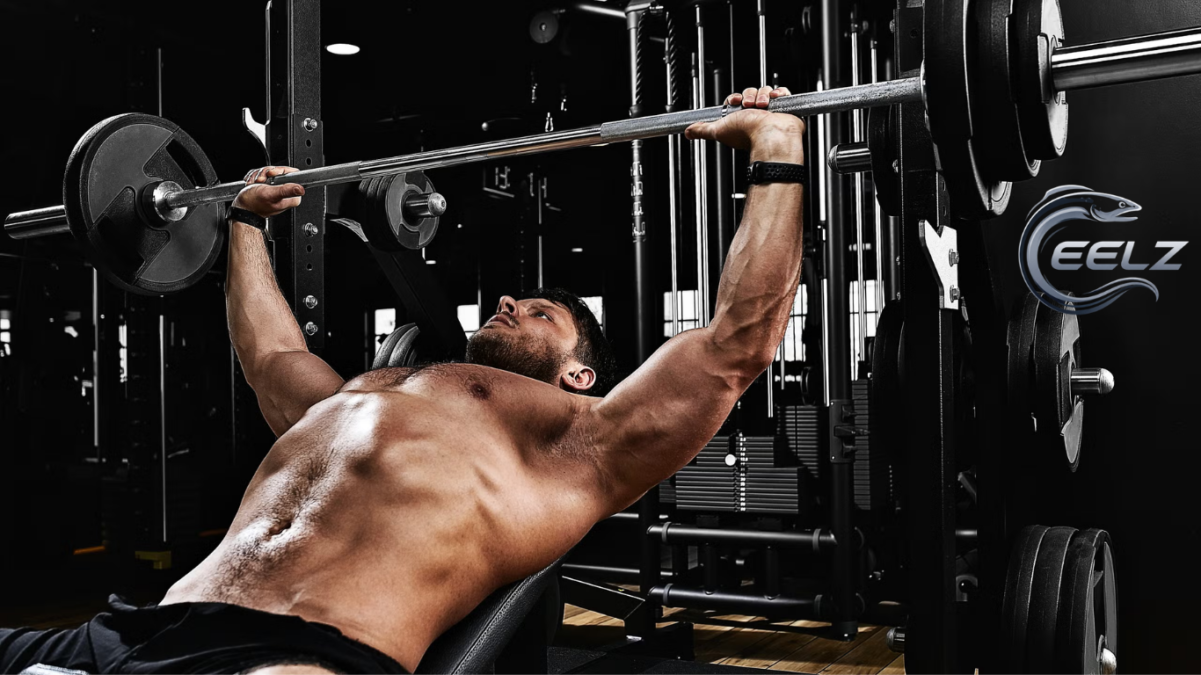
This remains the cornerstone of most effective upper chest programmes. Set the bench between 15 and 45 degrees, ideally around 30 degrees. Lie back with feet planted, shoulder blades retracted and slightly depressed. Grip the bar slightly wider than shoulder width, lower it under control to the upper chest or just below the collarbones, then drive it upward while keeping the elbows at roughly 45–60 degrees from the torso.
The barbell allows heavier loading than dumbbells, making progressive overload straightforward. Aim for 3–5 sets of 5–10 reps with 2–3 minutes of rest. Focus on a controlled eccentric phase lasting 2–3 seconds.
Incline Dumbbell Bench Press
Dumbbells offer a greater range of motion and independent arm movement, which helps correct left-right imbalances. Use the same moderate incline. Start with the weights at shoulder height, palms facing forward or slightly inward, then press up and slightly inward until the arms are extended but not locked. Lower until you feel a deep stretch across the upper chest.
This variation often produces strong activation of the clavicular fibres. Three to four sets of 8–12 reps work well for hypertrophy. Keep the shoulder blades pinned throughout and avoid flaring the elbows excessively.
Low-to-High Cable Fly
Cables provide constant tension, which is especially useful for isolation work. Set the pulleys at the lowest position. Grasp the handles, step forward into a staggered stance and bring the arms upward and inward in an arc until the hands meet at roughly collarbone height. Squeeze the upper chest at the top, then reverse the movement slowly.
This line of pull closely matches the fibre direction of the clavicular head. Perform 3 sets of 12–15 reps with a brief pause at peak contraction. Soft elbows and a slight forward lean help keep tension on the chest rather than the shoulders.
Incline Dumbbell Fly
An excellent stretch-focused isolation movement. Lie on a 30-degree incline bench holding light-to-moderate dumbbells with a neutral grip. With a slight bend in the elbows, open the arms out to the sides until you feel a strong stretch, then bring them back together above the chest in a hugging motion.
The deep stretch at the bottom may support hypertrophy through lengthened-position loading. Use 3 sets of 10–15 controlled reps. Avoid dropping the weights too low or allowing the elbows to straighten fully.
Landmine Press
A joint-friendly alternative that combines an upward press with a natural arc. Secure one end of a barbell in a landmine attachment or corner. Hold the free end with both hands or one hand at a time, and press it upward and slightly forward from chest height.
This movement trains the upper chest while allowing freer scapular movement. It suits those with shoulder discomfort from traditional benching. Perform 3 sets of 8–12 reps per side if using a single-arm variation.
Reverse-Grip Bench Press
An underused option that shifts emphasis toward the upper chest even on a flat bench. Use a supinated (underhand) grip slightly narrower than usual. Lower the bar carefully to the upper chest with elbows kept closer to the body, then press back up.
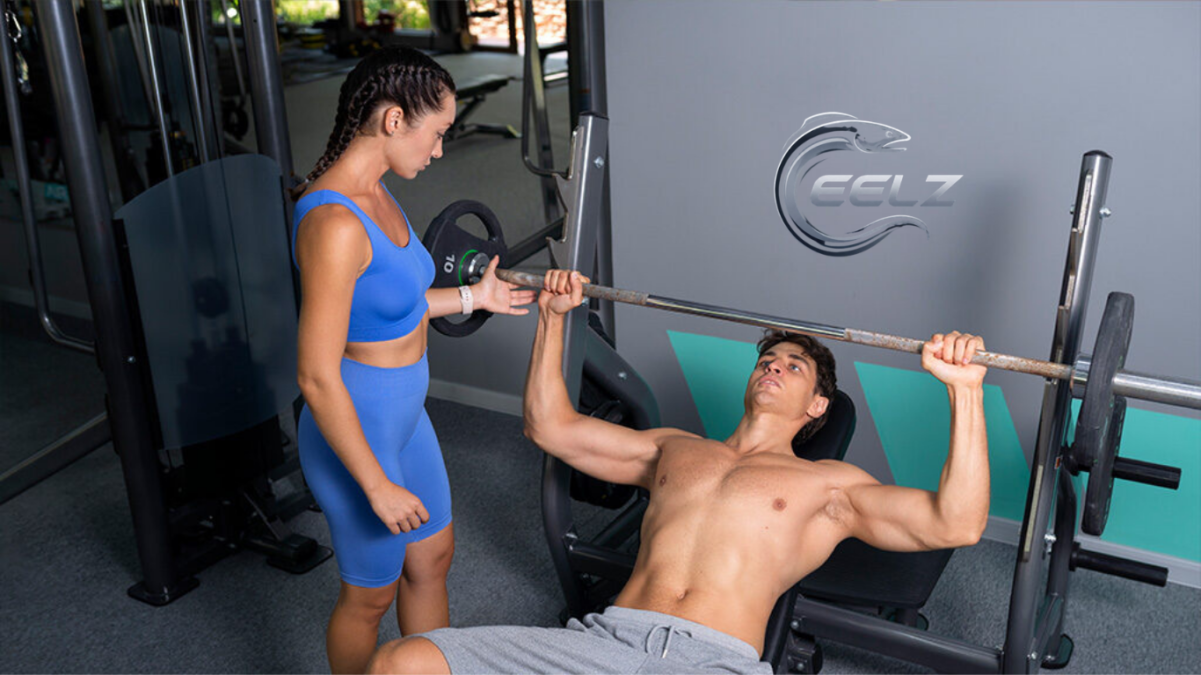
Moderate loads and a spotter are advisable because the grip feels less stable. Two to three sets of 8–12 reps can complement incline work nicely.
Sample Best Upper Chest Workout
Here is a practical session suitable for intermediate lifters. Perform it once or twice per week, ideally as part of a push or upper-body day, with at least 48 hours between sessions.
- Incline Barbell Bench Press – 4 sets of 6–10 reps, 2–3 minutes rest
- Incline Dumbbell Bench Press – 3 sets of 8–12 reps, 90–120 seconds rest
- Low-to-High Cable Fly – 3 sets of 12–15 reps, 60–90 seconds rest
- Incline Dumbbell Fly – 2–3 sets of 10–15 reps, 60–90 seconds rest
Beginners can reduce the volume by one set on each exercise and focus on mastering form. Advanced trainees may add a landmine press or reverse-grip movement as a finisher, or increase intensity through slower eccentrics or brief pauses.
Warm up thoroughly with light cardio, shoulder mobility work and a couple of progressive warm-up sets on the first compound lift. Leave 1–2 reps in reserve on most sets to manage fatigue while still providing a strong stimulus.
Programming and Progression Tips
Weekly volume of 10–20 hard sets for the chest, with a meaningful portion directed at incline angles, supports growth for most people. Track your loads and aim to add weight or reps over time. If progress stalls, check recovery, sleep and overall calorie intake before drastically increasing volume.
Pair upper-chest emphasis with balanced training for the mid and lower chest, shoulders and back to maintain joint health and proportional development. A simple upper/lower or push/pull/legs split works well for most schedules.
Common Mistakes to Avoid
Using an excessively steep incline turns the movement into more of a shoulder press and reduces upper-chest emphasis. Bouncing the bar or dumbbells, flaring the elbows wide, and neglecting the stretch at the bottom all limit results. Ego lifting with poor control is another frequent error—choose weights that allow full range of motion and solid technique.
Neglecting progressive overload is equally common. Simply repeating the same weights week after week will eventually stall development. Finally, training the upper chest in isolation without supporting recovery and nutrition reduces the return on effort.
Supporting Factors for Growth
Muscle growth requires a calorie surplus or at least maintenance intake with sufficient protein—roughly 1.6–2.2 grams per kilogram of body weight daily is a practical range for most trainees. Consistent sleep and stress management also play important roles. While specific supplements are secondary, ensuring adequate protein and overall nutrition remains foundational.
Conclusion
The best upper chest workout centres on moderate-incline pressing combined with upward-arc isolation movements such as low-to-high cable flyes. Incline barbell and dumbbell presses form the foundation, while cables and flyes refine the shape and provide constant tension. Consistent application of progressive overload at the correct angles, paired with solid recovery habits, produces measurable improvements in upper-chest thickness and definition over time.