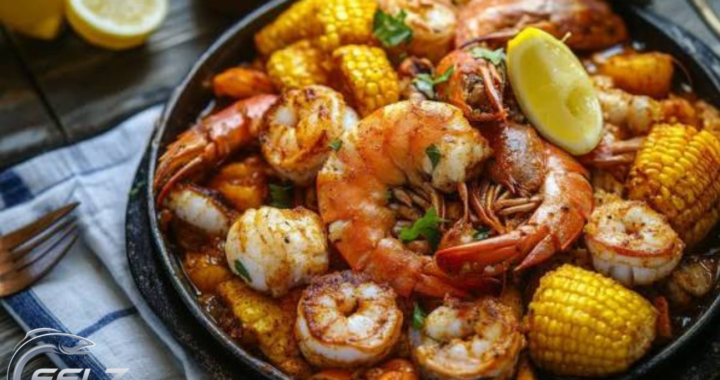
High Volume Low Calorie Meals: Eat More, Feel Full and Support Your Goals

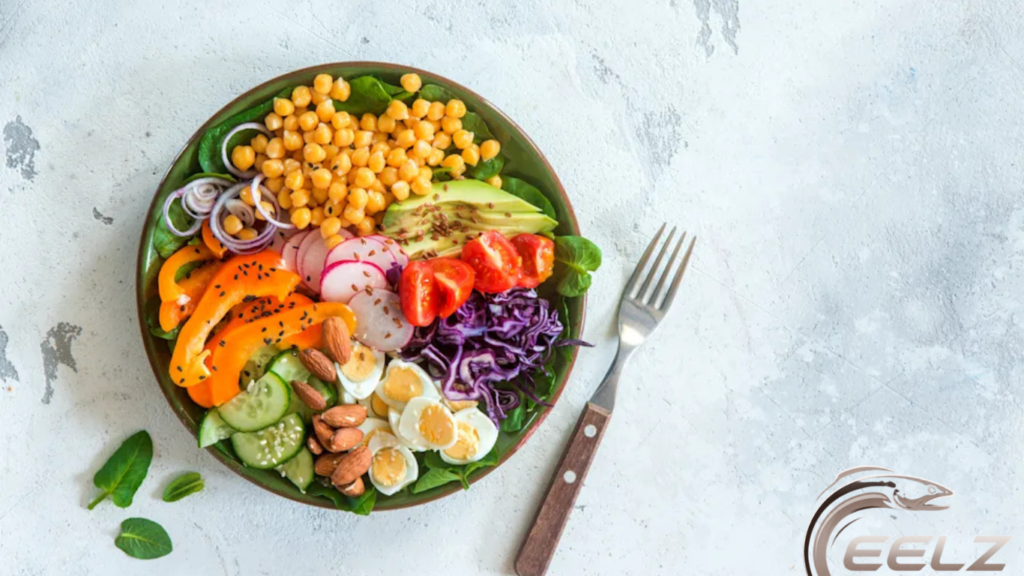
Many people assume that managing weight or eating more healthily means smaller plates and constant hunger. High volume low calorie meals turn that idea on its head. By choosing foods that take up space on the plate and in the stomach while delivering fewer calories, it becomes possible to enjoy generous portions, stay satisfied for longer and still create the conditions for steady progress.
This approach draws on decades of research into energy density – the number of calories in a given weight of food. Foods high in water and fibre naturally lower that density, so a large serving can feel substantial without tipping the daily calorie balance. The result is practical, flexible eating that fits real life rather than rigid restriction.
What Makes a Meal High Volume and Low Calorie?
Energy density is calculated by dividing the calories in a food by its weight in grams. Foods scoring below about 1.5 are considered low density and form the backbone of high volume low calorie meals. Water and fibre are the main drivers: they add bulk and weight with almost no calories, while also slowing digestion and promoting feelings of fullness.
Think of the difference between a handful of crisps and a large bowl of air-popped popcorn, or a small portion of oily pasta versus a generous plate of vegetable-packed stir-fry with lean protein. The second option fills the plate and the stomach for far fewer calories. Vegetables such as courgette, cauliflower, cucumber, leafy greens, broccoli and mushrooms; fruits including berries, watermelon and citrus; broth-based soups; and lean proteins like chicken breast, fish, egg whites, low-fat Greek yoghurt and legumes all feature heavily.
This is the principle behind the Volumetrics approach developed by nutrition researcher Barbara Rolls. Rather than counting every calorie or eliminating food groups, the focus shifts to filling most of the plate with these lower-density options while still including moderate amounts of higher-density foods for flavour, satisfaction and nutritional balance.
Why High Volume Low Calorie Meals Work
Research consistently shows that people tend to eat a relatively consistent weight or volume of food from day to day. When that volume comes from lower-calorie sources, total intake drops without the same sense of deprivation. Studies linked to low-energy-density eating have reported better weight-loss outcomes, improved satiety and greater ease of sticking to the plan compared with more restrictive approaches.
Beyond weight management, the style brings wider benefits. Large portions of vegetables and fruit increase intake of vitamins, minerals and fibre, supporting digestive health and the gut microbiome. Protein paired with volume foods helps preserve muscle and further extends fullness. Many people also notice fewer mid-afternoon cravings once meals genuinely satisfy them. The visual cue of a full plate matters too: eyes often judge satisfaction before the stomach does.
It is not a free-for-all. Oils, nuts, cheese, refined carbohydrates and ultra-processed snacks still count. The skill lies in using high-volume ingredients to bulk out familiar dishes so that the overall energy density of the meal falls.
Building High Volume Low Calorie Meals Day to Day
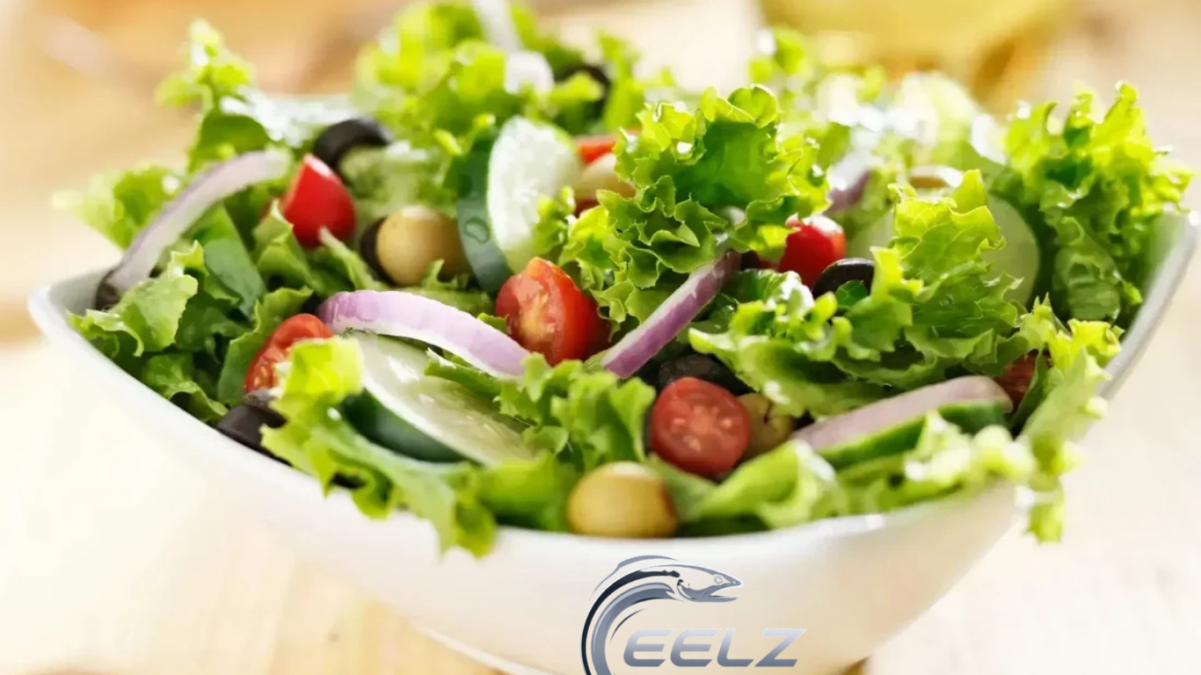
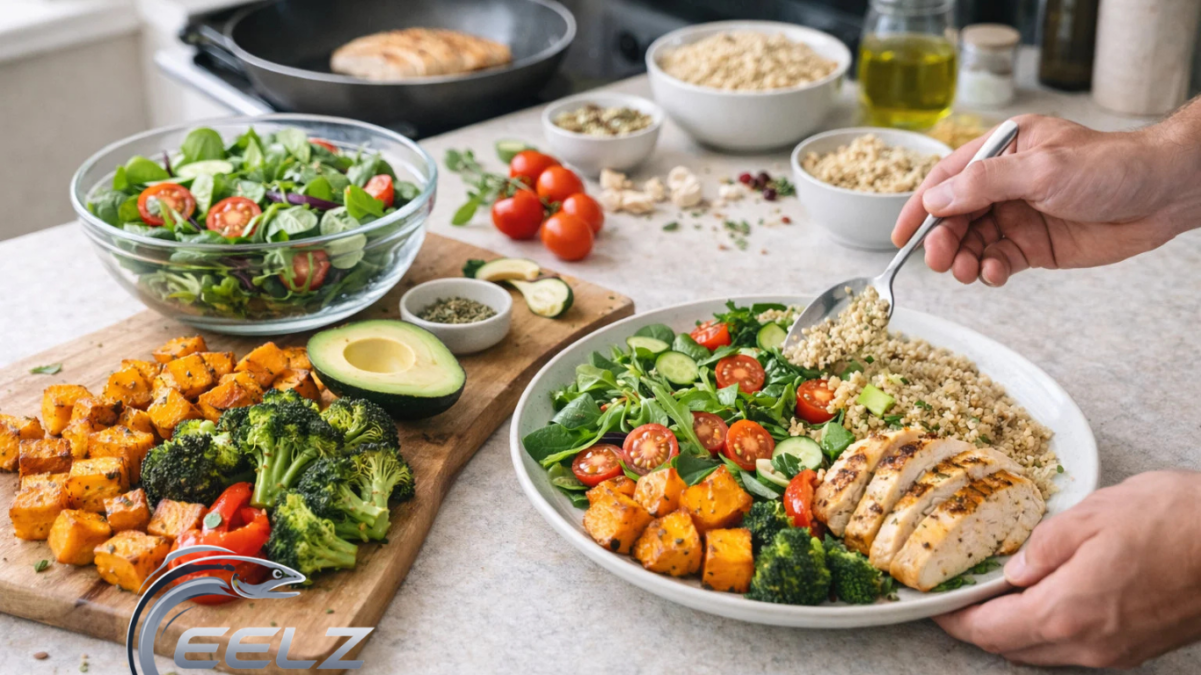
Start with a large base of non-starchy vegetables. A big salad of mixed leaves, cucumber, tomatoes, grated carrot and peppers can form the foundation of lunch. Add a measured portion of grilled chicken, tinned tuna in spring water, chickpeas or tofu, then dress lightly with vinegar, lemon juice, herbs and a teaspoon of oil if desired. The plate looks abundant; the calorie total stays modest.
For dinner, try a vegetable-heavy stir-fry. Load the pan with courgette, broccoli, cabbage, mushrooms and peppers, cook quickly with garlic, ginger and a little reduced-salt soy or chilli, then serve over cauliflower rice or a smaller portion of brown rice. Lean protein – prawns, chicken or tofu – completes the meal. Many versions land around 300–400 calories while delivering a genuinely large serving.
Breakfast can be equally generous. A substantial bowl of 0% fat Greek yoghurt topped with berries, a sprinkle of chia seeds and a few slices of apple provides protein, fibre and volume for roughly 200–250 calories. Alternatively, cook oats with extra water or milk, stir in egg whites or yoghurt for protein, and finish with fruit. Egg-white omelettes packed with spinach, mushrooms and tomatoes offer another high-volume start.
Soups are particularly effective. A large bowl of vegetable or chicken broth loaded with cabbage, celery, carrots, lentils and shredded lean meat can be a complete lunch that feels comforting and filling for under 350 calories. Potatoes, when boiled or baked without excess fat, also work well because of their high water content and ability to promote satiety.
Snacks follow the same logic: air-popped popcorn, sliced cucumber with a little cottage cheese, or a piece of fruit keep hunger at bay without dense calories.
Practical Tips for Success
Plan a few staple high-volume ingredients each week – bags of spinach, packs of mushrooms, cauliflower, frozen berries, tinned beans and lean proteins. Batch-cook soups or chilli with extra vegetables so ready meals are already volume-boosted. Use spiralised courgette or cauliflower rice to replace some or all of the pasta and rice in favourite recipes. Season generously with herbs, spices, chilli, lemon and vinegar so flavour never feels compromised.
Portion awareness still helps with the denser elements. Measure oils, nut butters and cheese rather than free-pouring. When eating out, ask for extra vegetables or a side salad and consider sharing richer dishes. The goal is not perfection but a consistent shift toward lower energy density across most meals.
People with specific medical conditions or those who need higher calorie intakes should adapt the approach under professional guidance. High volume low calorie meals suit many goals – from gradual fat loss to simply feeling more comfortable after eating – but individual needs vary.
Common Pitfalls and How to Avoid Them
One risk is under-eating protein or healthy fats to the point of feeling unsatisfied or missing nutrients. Always include a solid protein source and a small amount of fat for flavour and absorption of fat-soluble vitamins. Another is relying solely on very low-calorie vegetables without enough variety; rotate colours and types to cover a broader nutrient range. Finally, some commercial “low-calorie” products are ultra-processed and less filling than whole-food versions – whole vegetables, fruit and lean proteins remain the most reliable foundation.
High Volume Low Calorie Meals in Everyday British Life
The approach fits easily into familiar British eating patterns. A jacket potato can be bulked with baked beans, cottage cheese and a large side salad. A Sunday roast can feature extra vegetables and a leaner cut of meat with the richer elements kept to smaller portions. Slimming-style recipes that emphasise “free” or speed foods already lean heavily on the same principles of filling the plate with low-density ingredients.
Many people find the style liberating because it removes the constant sense of restriction. Meals look and feel generous. Hunger between meals tends to lessen. Over time the habit of reaching for vegetables first becomes automatic.
Conclusion
High volume low calorie meals are less a temporary diet and more a sustainable way of thinking about food. By prioritising volume from water- and fibre-rich ingredients, it becomes realistic to eat well, feel satisfied and support long-term health goals without constant calculation or deprivation. The science is straightforward, the ingredients are everyday, and the results – both on the plate and in how the body feels – speak for themselves.