
Understanding Metatarsalgia: Causes, Symptoms and Relief for Ball-of-Foot Pain

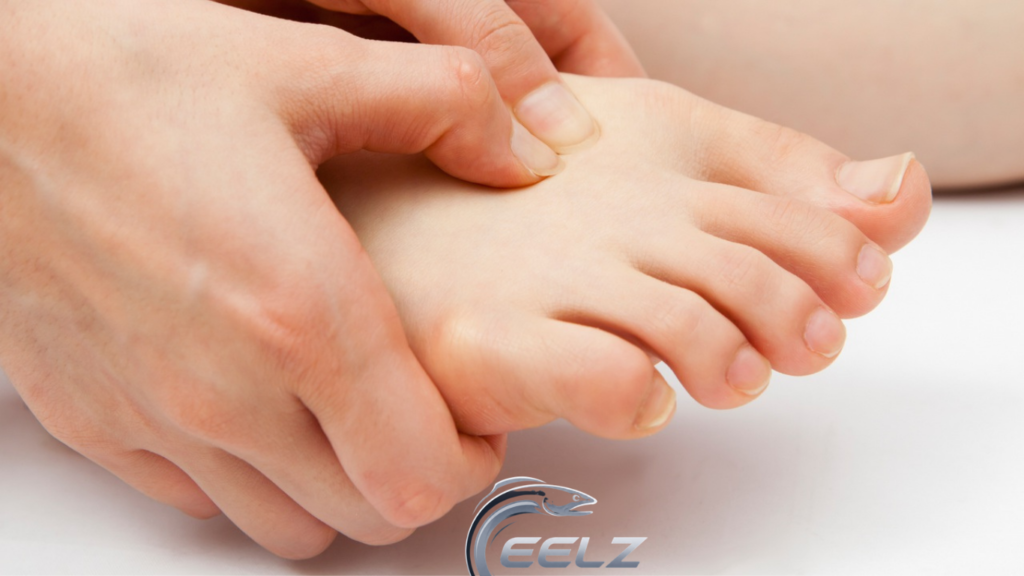
Metatarsalgia is one of those quietly common conditions that can turn everyday walking into a sharp reminder that something is wrong. It refers to pain and inflammation in the ball of the foot—the area just behind the toes where the metatarsal bones meet the soft tissue of the sole. Many people describe it as feeling as though they are walking on a pebble or have a bruise that never quite heals.
The condition affects a wide range of people, from weekend runners to those who simply spend long hours on their feet. While it is rarely serious in itself, the discomfort can limit mobility and affect quality of life. Understanding what drives metatarsalgia, recognising its signs early, and knowing the straightforward steps that often bring relief makes a real difference.
What Exactly Is Metatarsalgia?
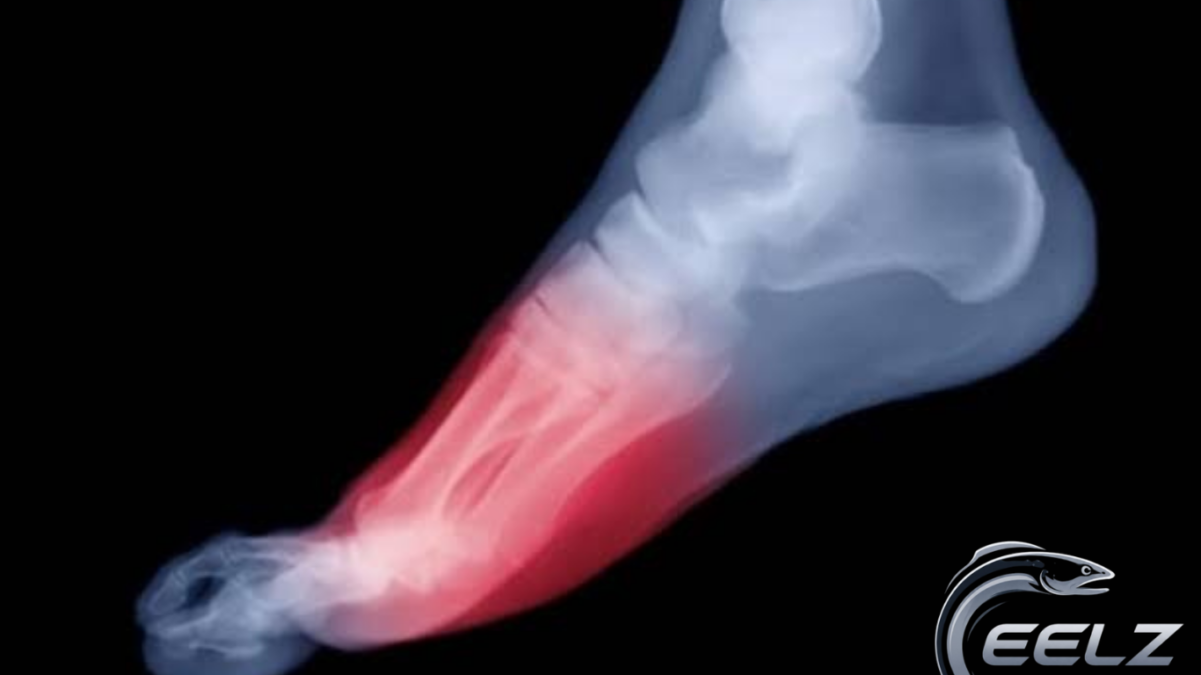
Metatarsalgia is not a single disease but a descriptive term for pain centred on the metatarsal heads—the rounded ends of the five long bones that form the front half of the foot. These bones carry a substantial share of body weight during standing, walking and running. When that load becomes uneven or excessive, the surrounding tissues become irritated and inflamed.
The pain typically develops gradually rather than appearing overnight. It may be sharp, aching, burning or shooting, and it usually worsens with activity and improves with rest. Some people also notice tingling or numbness that radiates into the toes, or a persistent sensation of something small and hard under the sole.
Because the term covers a symptom rather than one specific pathology, the underlying cause can vary. In many cases the problem is purely mechanical; in others it signals related issues such as a Morton’s neuroma, stress fracture, bursitis or inflammatory arthritis.
Why Metatarsalgia Develops
Excessive pressure on one or more metatarsal heads is the common thread. Several factors can create that pressure.
High-impact activities such as running, tennis, basketball or aerobics repeatedly load the forefoot. Athletes who increase training volume too quickly or train on hard surfaces are particularly vulnerable. Footwear plays an equally important role. High heels shift body weight forward onto the metatarsals. Narrow, tight or poorly cushioned shoes concentrate force in the same area, while worn-out trainers lose their shock-absorbing ability.
Foot structure also matters. A high arch can concentrate pressure under the ball of the foot. A second toe longer than the big toe (sometimes called Morton’s foot) transfers extra load to the second metatarsal head. Bunions, hammertoes and claw toes alter the way the foot rolls through each step, again overloading specific bones. Tight calf muscles or an Achilles tendon that limits ankle movement further increase forefoot stress during push-off.
Additional contributors include excess body weight, which multiplies the force transmitted through the feet, and age-related thinning of the protective fat pad under the metatarsal heads. Inflammatory conditions such as rheumatoid arthritis or gout, previous foot surgery that changes mechanics, and even prolonged standing on hard floors can all tip the balance towards metatarsalgia.
Recognising the Symptoms
The hallmark is pain under the ball of the foot, most often beneath the second, third or fourth toes. It may feel localised or more diffuse. Many people notice the discomfort intensifies when barefoot on hard floors, during the push-off phase of walking or running, or after long periods of standing. Rest and elevation usually bring temporary ease.
Secondary sensations are common: a feeling of walking on marbles, mild swelling, or tingling that spreads into the toes. In some cases the pain alters gait as the person unconsciously shifts weight to avoid the tender area, which can create secondary strain elsewhere.
Symptoms that persist beyond a few weeks, worsen despite simple measures, or are accompanied by significant swelling, redness or inability to bear weight warrant professional assessment. A GP or podiatrist can examine the foot, check for related problems such as neuroma or stress fracture, and arrange imaging if needed.
Finding Relief: Treatment Approaches
Most cases of metatarsalgia respond well to conservative care. The first principle is relative rest—reducing or temporarily stopping the activities that provoke pain while maintaining gentle movement. Applying ice (wrapped in a thin cloth) for 15–20 minutes several times a day helps settle inflammation. Over-the-counter anti-inflammatory medication such as ibuprofen may be useful for short periods, provided there are no contraindications.
Footwear changes often deliver the quickest improvement. Shoes with a wide toe box, low heel and good cushioning under the forefoot redistribute pressure. Metatarsal pads placed just behind the painful heads (not directly under them) lift and spread the bones, offloading the irritated area. Over-the-counter or custom orthotic insoles can further support the arch and improve weight distribution.
Physical therapy may include calf stretches to reduce equinus forces, intrinsic foot-muscle strengthening, and gait retraining. In stubborn cases a clinician might recommend a short course of corticosteroid injection to calm local inflammation, or a period in a supportive walking boot.
Surgery is reserved for situations where structural problems—such as a markedly long metatarsal, severe hammertoe or refractory Morton’s neuroma—fail to settle with non-operative measures. Procedures can include osteotomy to shorten or realign a metatarsal, or soft-tissue correction of toe deformities.
Prevention and Everyday Management
Simple habits reduce the chance of recurrence. Choose footwear that fits properly and offers cushioning and a broad toe box; replace running shoes once the midsole compresses. Gradually increase training volume and incorporate low-impact cross-training such as swimming or cycling. Maintain a healthy weight to lessen cumulative load on the feet. Regular calf stretching and short foot exercises help keep the kinetic chain balanced.
For those whose work involves prolonged standing, cushioned mats or supportive insoles make a noticeable difference. Paying attention to early warning signs—mild ache after activity, callus formation under the metatarsal heads—allows intervention before pain becomes established.
Quick Facts about Metatarsalgia
| Detail | Information |
| Full medical term | Metatarsalgia |
| Common description | Pain in the ball of the foot |
| Typical location | Under the second to fourth metatarsal heads |
| Peak age groups | Active adults and older adults |
| Main risk factors | High-impact sport, high heels, foot shape, excess weight |
| Usual first-line care | Rest, footwear change, metatarsal pads, ice |
| Outlook | Good with conservative treatment for most people |
Why Awareness Matters
Metatarsalgia illustrates how small mechanical imbalances can produce outsized effects on daily function. Left unaddressed it can alter gait, limit exercise and reduce independence, particularly in older adults. Yet the condition is highly responsive to practical changes that most people can implement themselves or with modest professional guidance. Early recognition prevents the cycle of compensation and secondary problems that sometimes develops.
Public understanding of forefoot pain also helps distinguish benign overload from conditions that need prompt attention, such as stress fractures or inflammatory disease. In that sense, knowledge of metatarsalgia supports both self-care and timely medical help when required.
Conclusion
Metatarsalgia remains a frequent source of foot discomfort, yet it is rarely a barrier that cannot be overcome. By recognising the role of load, footwear and foot structure, most people can reduce pressure on the metatarsal heads and regain comfortable walking and activity. Simple adjustments—better shoes, strategic padding, sensible rest and targeted exercise—often prove sufficient.