Karidopita: Discovering the Rich Heritage of Greece’s Classic Walnut Cake

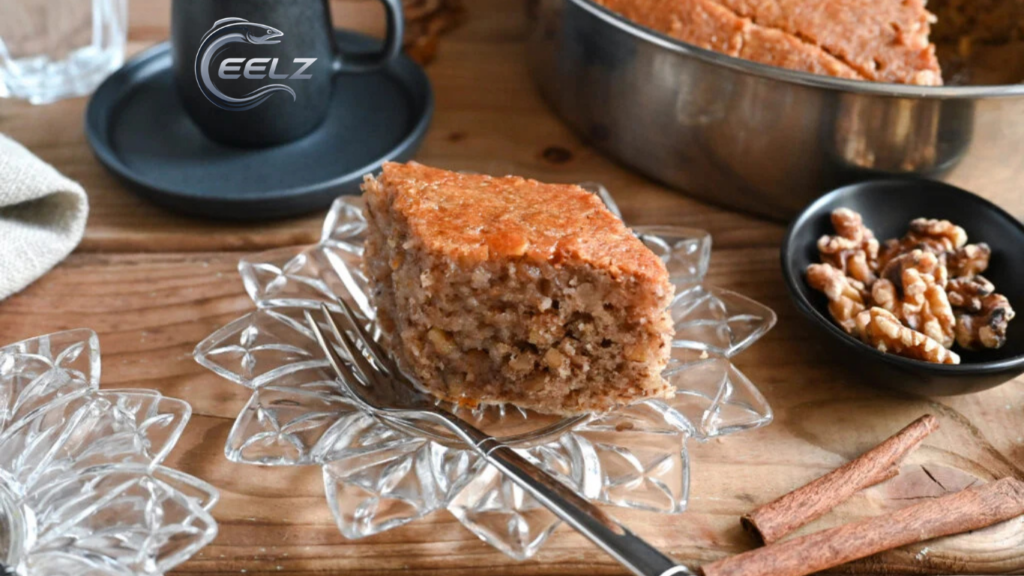
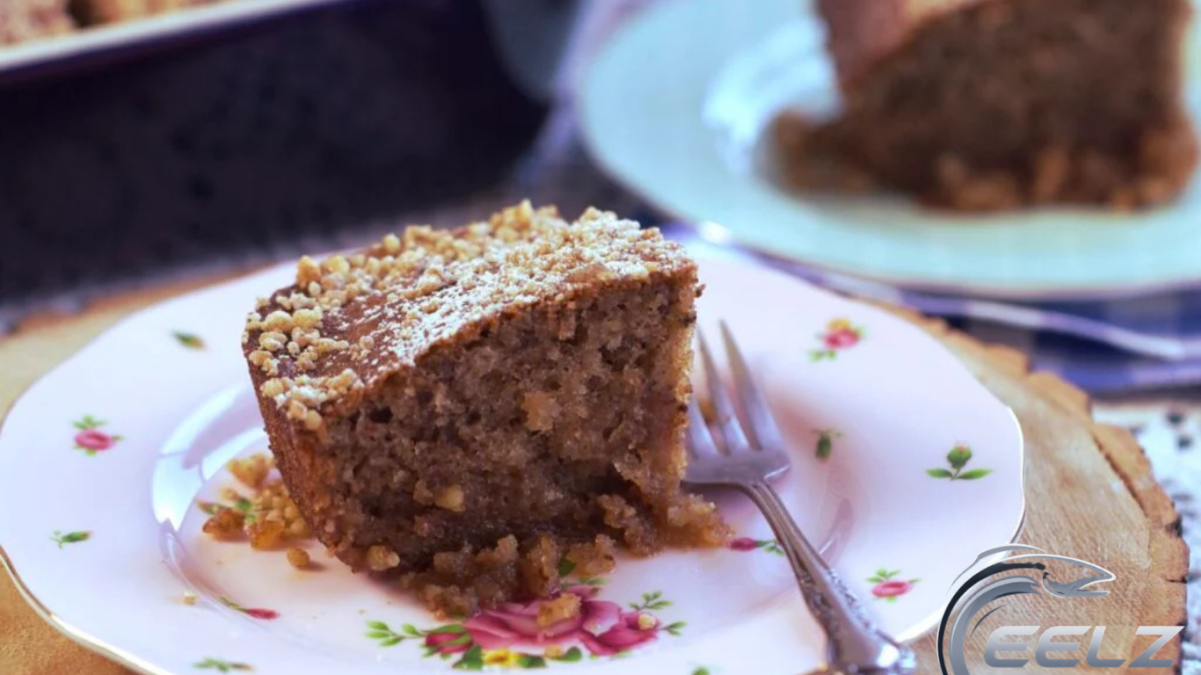
Karidopita, the aromatic Greek walnut cake soaked in fragrant syrup, continues to captivate food lovers far beyond the shores of Greece. With its dense yet tender crumb studded with chopped walnuts, warm notes of cinnamon and clove, and that signature sticky sweetness, this dessert embodies the comforting essence of traditional Greek home baking. Whether served at festive gatherings or alongside a strong coffee, karidopita holds a special place in the hearts of those who grew up with it and those discovering it for the first time.
Its enduring popularity stems from more than just flavour. Karidopita represents a link to family kitchens, holiday tables and the resourceful use of simple, high-quality ingredients. In an age of fleeting food trends, this syrup-drenched classic remains a steady favourite, appearing in bakeries, cookbooks and home recipes across the Greek diaspora and beyond. Readers keep returning to it because it delivers both nostalgia and pure sensory pleasure.
Early Life and Background
The name karidopita (also spelled karydopita or karithopita) comes directly from the Greek words for walnut (karydi) and pie or cake (pita). It belongs to the broader category of glyka tapsiou — sweets baked in trays and often finished with syrup — alongside favourites such as galaktoboureko and amygdalopita.
While precise documentation of its earliest form is limited, karidopita draws on long-standing Greek traditions of incorporating abundant local walnuts into desserts. Walnuts have been cultivated in the region since ancient times, and nut-based sweets appear in Byzantine culinary practices that favoured honey and spices. Later influences from the Ottoman period helped shape the syrup-soaked style common to many Mediterranean and Levantine desserts. After Greek independence, regional variations solidified, with some recipes linked to communities from Asia Minor.
In Greek households, the cake has long been associated with cooler months and celebrations. It is frequently prepared for Christmas and New Year, when its warming spices and rich texture suit the season. Some families traditionally place a piece under the Christmas tree as a symbolic offering. Childhood memories for many Greeks and Greek-Cypriots involve the scent of cinnamon filling the kitchen as the cake baked and the syrup was prepared. Education in its preparation usually happened informally at home, passed from mother or grandmother to the next generation rather than through formal training.
Career and Rise to Fame
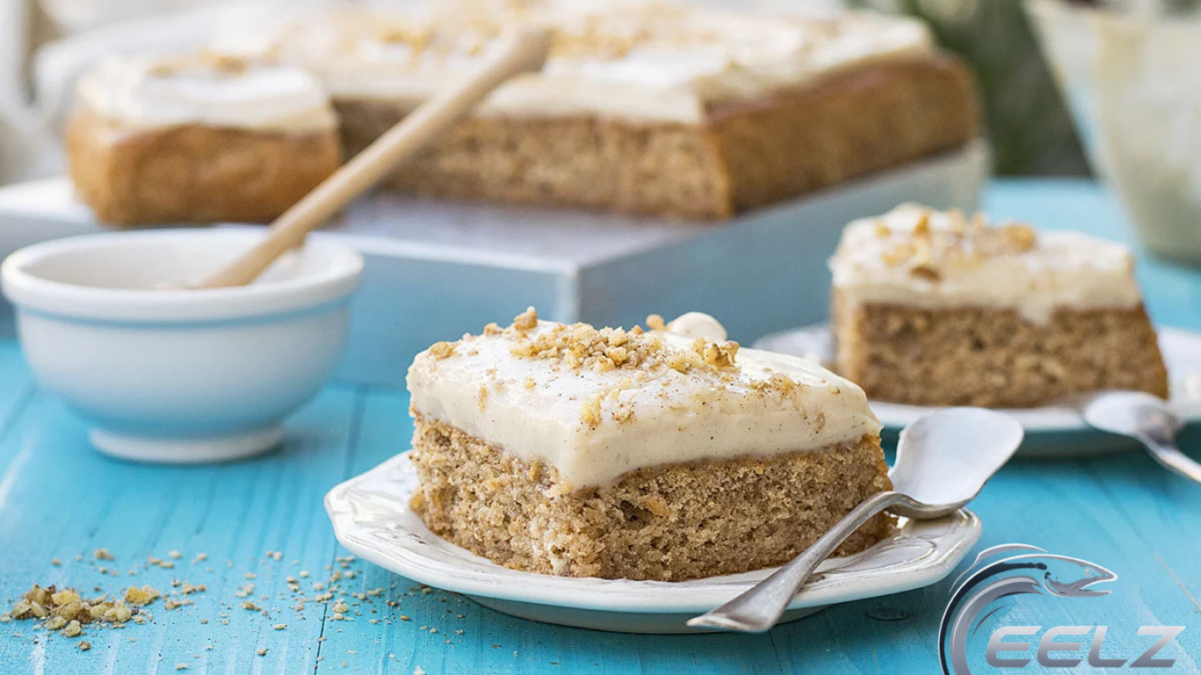
Karidopita’s “career” as a beloved dessert began in home kitchens and gradually spread through cookbooks, bakeries and, more recently, online recipe sites. Its breakthrough lies in its balance: the cake itself is not overly sweet, allowing the syrup to provide moisture and flavour without becoming cloying. Traditional versions often use breadcrumbs or a combination of flour and breadcrumbs for texture, plenty of ground or chopped walnuts, eggs, sugar, butter or oil, and spices such as cinnamon, cloves and sometimes nutmeg. Orange zest, cognac or brandy frequently appear for depth.
Major milestones include its regular appearance in Greek cookery books and its adaptation by diaspora cooks who kept the recipe alive abroad. Chefs and food writers such as Diane Kochilas have helped introduce refined or carefully tested versions to wider audiences. Variations abound — some separate eggs and whip whites for lightness, others use oil and milk for ease, and modern takes may incorporate self-raising flour or skip the meringue step entirely. The cake is typically baked in a rectangular or round tray, scored into diamond or square shapes, and soaked while still warm so the cool syrup penetrates evenly.
Recognition comes not through formal awards but through consistent presence on festive tables and its reputation as a reliable crowd-pleaser. Collaborations, in a culinary sense, occur whenever home cooks exchange family recipes or when bakers pair it with ice cream, whipped cream or a simple dusting of icing sugar. Public reputation centres on its comforting, unpretentious character — a dessert that feels both special and everyday.
Personal Challenges or Turning Points
Like many traditional recipes, karidopita has faced the ordinary challenges of adaptation. Early versions relied on available ingredients; when refined sugar became more accessible it largely replaced honey or grape molasses (petimezi) in the syrup, changing the flavour profile from earthier to brighter. Some cooks prefer a drier cake and reduce the syrup, while others embrace the full soak. Achieving the right texture — moist without sogginess, spiced without bitterness — requires practice, and results can vary with the freshness of the walnuts or the exact pan size.
A turning point in recent decades has been the recipe’s migration online. Food bloggers and video creators have demystified the process, offering clearer measurements and troubleshooting tips. This has made karidopita more accessible to non-Greek cooks while preserving its core identity. Resilience shows in how the dessert continues to be made at home even as commercial versions appear, proving that its appeal rests on personal connection as much as on flavour.
Personal Life
Karidopita is deeply woven into family and communal life. It is commonly prepared for name days, baptisms, weddings and holiday gatherings, where sharing sweet food expresses hospitality (philoxenia). Public statements from Greek cooks and food writers consistently describe it as a Christmas and winter staple that evokes warmth and abundance. Walnuts themselves carry symbolic weight associated with prosperity and seasonal comfort.
Reliable sources do not attach personal romantic narratives or private family details to the cake itself; its “relationships” are culinary and cultural. It pairs naturally with Greek coffee or tea and sits comfortably beside other festive sweets such as melomakarona. In many homes it improves after a day as the spices settle, making it practical for advance preparation.
Later Career and Current Activities
Today karidopita enjoys renewed visibility through food media, social platforms and cookbooks that celebrate regional Greek cooking. Contemporary recipes often emphasise ease — fewer steps, readily available ingredients — while remaining faithful to the walnut-and-spice foundation. Some versions experiment with gluten-free breadcrumbs or alternative sweeteners, yet the classic syrup-soaked form dominates.
It continues to appear at charity bake sales, cultural festivals and restaurant dessert menus that highlight Greek heritage. Advocacy for traditional recipes occurs indirectly through the work of writers and cooks who document and share family methods, ensuring the knowledge is not lost. Business ventures include specialised Greek bakeries that feature it seasonally and online sellers of ready-made or kit versions aimed at the diaspora.
Quick Bio
| Detail | Information |
| Full Name | Karidopita (Karydopita / Karithopita) |
| Date of Birth | Traditional; roots in Byzantine and later Greek culinary practice |
| Place of Birth | Greece |
| Nationality | Greek |
| Profession | Traditional dessert cake |
| Years Active | Centuries; widely documented in modern form |
| Known For | Syrup-soaked walnut cake with warm spices |
| Estimated Net Worth | Not applicable |
Legacy and Lasting Impact
Karidopita remains important because it captures the spirit of Greek home cooking: generous, spiced, and designed for sharing. Its influence appears in the continued popularity of siropiasta desserts and in the way walnut-based sweets feature across Mediterranean tables. Public perception is overwhelmingly affectionate; it is regarded as comforting rather than showy, reliable rather than trendy.
The cake teaches quiet lessons about making the most of local ingredients, the value of patience (allowing time for the syrup to absorb), and the pleasure of recipes that improve with a little waiting. It also illustrates how food carries memory and identity across generations and borders.
Conclusion
From its linguistic roots in the Greek words for walnut and pie to its place on contemporary tables, karidopita has followed a steady path of quiet endurance. It asks little more than good walnuts, careful baking and a willingness to let the syrup work its magic, yet it rewards with deep flavour and lasting satisfaction. In a culinary world full of novelty, this classic continues to prove that some things need not change to stay relevant.