
Easy Chai Tea Recipe: How to Make Authentic Homemade Masala Chai

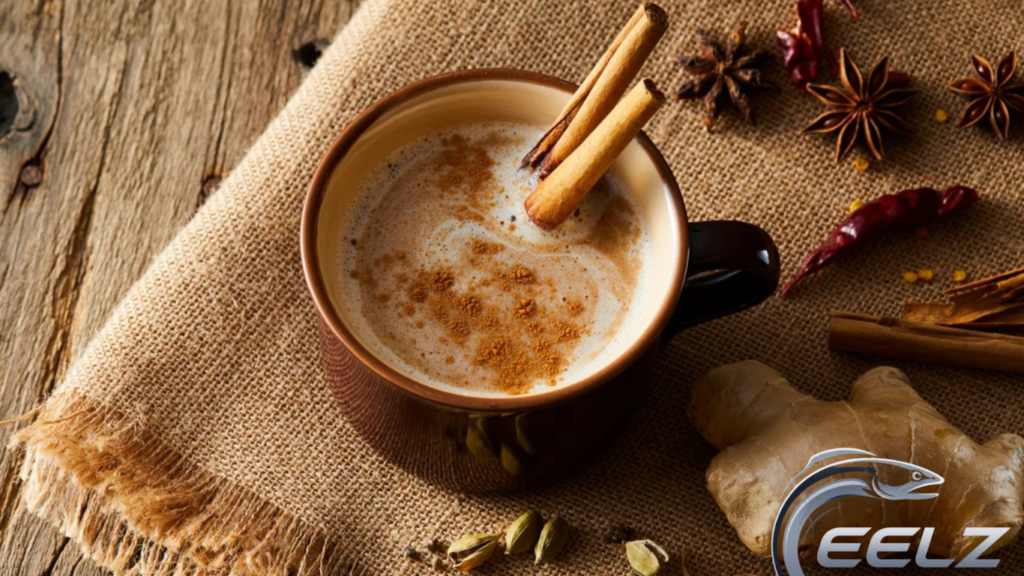
There is something deeply comforting about a steaming cup of chai. The warm blend of strong black tea, creamy milk and fragrant spices has a way of slowing the day down, even if only for a few minutes. Across Britain, more people are discovering that an easy chai tea recipe can be made at home with ingredients already sitting in most kitchen cupboards.
What was once mainly found in Indian restaurants or specialist cafés is now a regular feature in household kitchens. The appeal is straightforward: the drink is inexpensive, customisable and surprisingly simple to prepare. A good easy chai tea recipe needs no fancy equipment or hard-to-find spices, yet the result tastes far richer than most shop-bought versions.
This guide walks through a reliable method for classic masala chai, along with the history behind the drink, practical tips for getting the balance right, and a few gentle variations. Whether you are new to chai or simply looking for a more consistent homemade version, the steps below keep everything approachable.
The Origins of Chai Tea
Chai, the Hindi word for tea, has roots that stretch back centuries on the Indian subcontinent. While tea plants were cultivated in Assam and Darjeeling long before British colonial influence, the spiced milk tea we recognise today developed more gradually. Early forms of chai were often medicinal, combining local spices with tea leaves to aid digestion or provide warmth during cooler months.
By the nineteenth and early twentieth centuries, the combination of strong black tea, milk, sugar and spices such as cardamom, cinnamon, ginger and cloves had become a popular street drink. Vendors known as chai wallahs prepared large pots and served the brew in small clay cups or glasses. The drink was affordable, energising and social – a daily ritual for workers, travellers and families alike.
The precise mix of spices varied from region to region and household to household. Some preferred a heavier ginger note, others leaned towards cardamom or a touch of black pepper. This flexibility remains one of the charms of any easy chai tea recipe: there is no single “correct” formula, only a tradition of balancing bold flavours.
How Chai Tea Rose to Wider Popularity
Chai travelled beyond India through migration, trade and, later, the growth of international café culture. In the United Kingdom, the drink gained wider notice from the late twentieth century onwards as Indian and South Asian communities shared their home recipes and as restaurants expanded their menus. The rise of coffee-shop chains in the 1990s and 2000s introduced “chai latte” to a broader audience, though many of those commercial versions relied on concentrated syrups rather than freshly simmered spices.
Home cooks soon realised that an easy chai tea recipe produced a more aromatic and less sweet result. Social media and food blogs accelerated the trend, with photographs of frothy, spice-flecked cups encouraging people to try the method themselves. Today, chai sits comfortably alongside builders’ tea and coffee as a everyday option in many British kitchens.
Its reputation rests on reliability and adaptability. It works equally well as a morning pick-me-up or an afternoon comfort drink. The spices can be adjusted for personal taste, and the same base method supports both traditional hot chai and lighter iced versions in warmer weather.
Personal Challenges and Practical Turning Points
Making good chai at home is rarely difficult, yet a few common pitfalls can leave the drink tasting flat or overly bitter. The most frequent issue is imbalance: too much black tea creates astringency, while too little spice leaves the cup tasting like ordinary milky tea. Another challenge is timing. Over-boiling the milk can cause it to catch or form a skin that alters the texture.
Many home cooks find that the turning point comes when they stop treating the spices as an afterthought and instead give them a proper simmer in water before the tea and milk are added. This short step extracts far more aroma and depth. Fresh ginger, lightly crushed cardamom pods and a cinnamon stick make a noticeable difference compared with pre-ground powders alone.
Resilience in the kitchen often means accepting that the first few attempts will teach more than any written recipe. Slight adjustments to the amount of sugar, the strength of the tea, or the length of the simmer quickly produce a version that feels personal. Once that balance is found, the easy chai tea recipe becomes almost automatic.
Everyday Enjoyment and Family Traditions
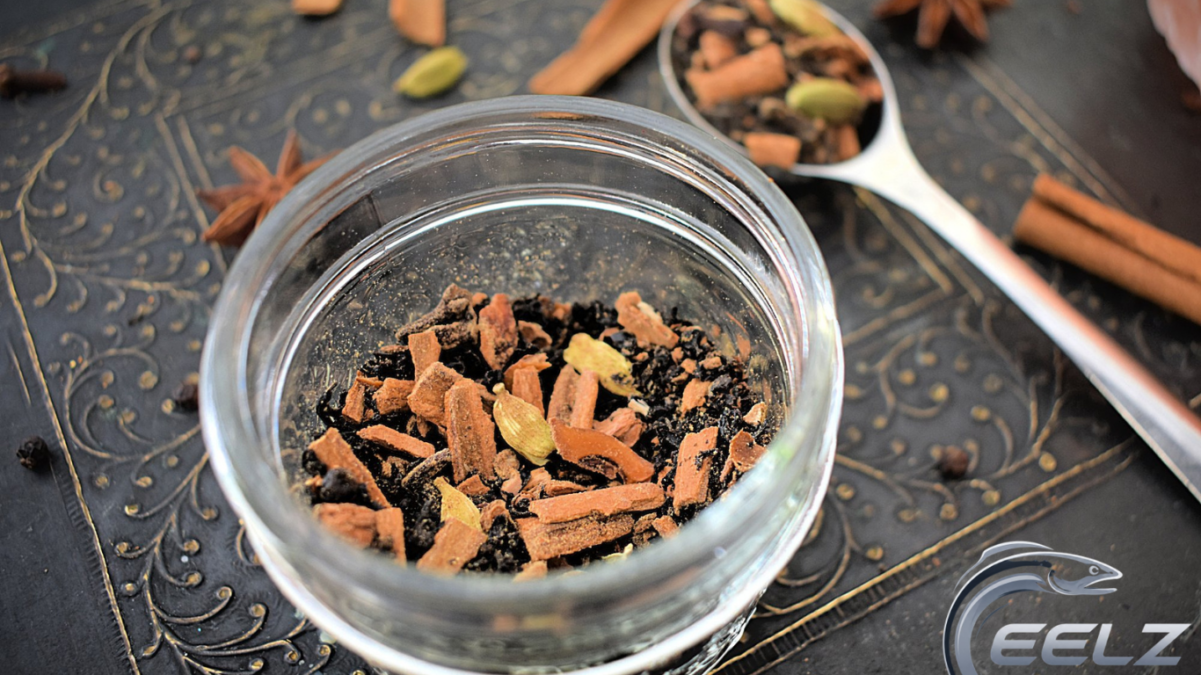
Chai is rarely a solitary drink in the cultures that created it. It is offered to guests, shared during conversations and prepared in larger quantities for gatherings. In many British households with South Asian roots, the evening pot of chai remains a quiet family ritual. Elsewhere, people have adapted the same idea – brewing a pot at the weekend or keeping a jar of ready-mixed spices for busy mornings.
Publicly shared recipes and café menus have kept the focus on the drink itself rather than any single personality. There is no celebrity attached to the classic method; the appeal lies in its accessibility. Parents introduce children to milder versions with less spice and more milk, while others experiment with plant-based milks or honey in place of sugar. The core pleasure stays the same: a warm, aromatic cup that feels both familiar and a little special.
Modern Takes and Current Ways to Enjoy Chai
Recent years have brought gentle innovations without losing the original character. Iced chai, prepared by cooling a strong brew and pouring it over ice with a splash of cold milk, has become popular in summer. Some cooks add a pinch of turmeric or a star anise for variation, while others keep the classic five-spice combination of cardamom, cinnamon, ginger, cloves and black pepper.
Cafés continue to offer chai lattes, yet many customers now prefer to make their own, citing both cost and control over sweetness. Ready-made chai concentrates and tea bags filled with spices are widely available, but a from-scratch easy chai tea recipe still delivers clearer, fresher flavour. The method requires only a small saucepan and a fine strainer – equipment most kitchens already possess.
Charity and community events sometimes feature chai stalls as a simple way to share culture and raise funds. The drink’s association with hospitality and everyday comfort keeps it relevant far beyond any single trend.
Quick Facts
| Detail | Information |
| Common Name | Masala Chai / Chai Tea |
| Origin | Indian subcontinent |
| Main Ingredients | Black tea, milk, water, mixed spices, sweetener |
| Key Spices | Cardamom, cinnamon, ginger, cloves, black pepper |
| Typical Preparation Time | 10–15 minutes |
| Serving Style | Hot, strained, often in small cups or glasses |
| Best Enjoyed | Freshly made |
| Cultural Role | Everyday drink and gesture of hospitality |
Why Chai Continues to Matter
An easy chai tea recipe endures because it delivers more than caffeine. The combination of tea and spices creates a sensory experience that feels both grounding and uplifting. In a fast-moving world, the short ritual of measuring spices, watching the pot come to a gentle simmer and straining the finished drink offers a moment of calm.
The drink also illustrates how food traditions travel and adapt. What began as a regional practice is now prepared in kitchens across the United Kingdom and beyond, each household adjusting the spice levels or the ratio of milk to water to suit its own taste. That flexibility, rather than rigid authenticity, is part of its lasting appeal.
Public perception remains warm and unpretentious. Chai is rarely presented as a luxury product; it is simply a well-made cup of tea with character. Lessons from its history include the value of patience with ingredients and the pleasure of sharing something simple and carefully prepared.
An Easy Chai Tea Recipe to Try at Home
Ingredients (serves 2)
- 400 ml water
- 300 ml whole milk (or oat milk for a plant-based version)
- 2 teaspoons loose strong black tea (Assam works particularly well) or 2 tea bags
- 4 green cardamom pods, lightly crushed
- 1 small cinnamon stick
- 3–4 thin slices of fresh ginger
- 2 whole cloves
- 4–5 black peppercorns
- 1–2 teaspoons sugar or honey, to taste
Method
- Place the water, cardamom, cinnamon, ginger, cloves and peppercorns in a small saucepan. Bring to a gentle boil, then reduce the heat and simmer for 3–4 minutes so the spices release their aroma.
- Add the tea leaves or tea bags and simmer for a further 1–2 minutes.
- Pour in the milk and return the mixture to a soft simmer. Do not allow it to boil vigorously. Heat for another 2–3 minutes until the colour deepens to a warm beige.
- Stir in sugar or honey to taste.
- Strain through a fine sieve into cups or a small teapot. Serve immediately.
The entire process takes roughly twelve minutes. The finished chai should taste boldly spiced yet smooth, with the tea providing a solid backbone rather than dominating the cup.

Tips for Consistent Results
Use whole spices where possible; they keep longer and give cleaner flavour than pre-ground versions. Crush the cardamom pods just before cooking so the seeds release their oils. Adjust the milk-to-water ratio according to preference – more milk produces a creamier texture. If the chai tastes too strong, simply dilute with a splash of hot milk. Leftover spice liquid can be cooled and refrigerated for a day, then reheated with fresh tea and milk.
Gentle Variations
For a lighter version, reduce the tea by half a teaspoon and increase the milk slightly. An iced chai is made by brewing a stronger batch, cooling it completely, then pouring over ice with cold milk. A pinch of fennel seeds or a single star anise can be added for a different aromatic note. Those who prefer less sweetness often find that the natural warmth of the spices needs only a modest amount of sugar.
Conclusion
An easy chai tea recipe offers more than a quick hot drink. It connects a centuries-old tradition of spiced tea with the simple pleasure of making something fragrant and comforting in your own kitchen. The method is forgiving, the ingredients are ordinary, and the result is reliably satisfying.