Ed Hardy Set: The Ultimate Y2K Revival Statement Piece

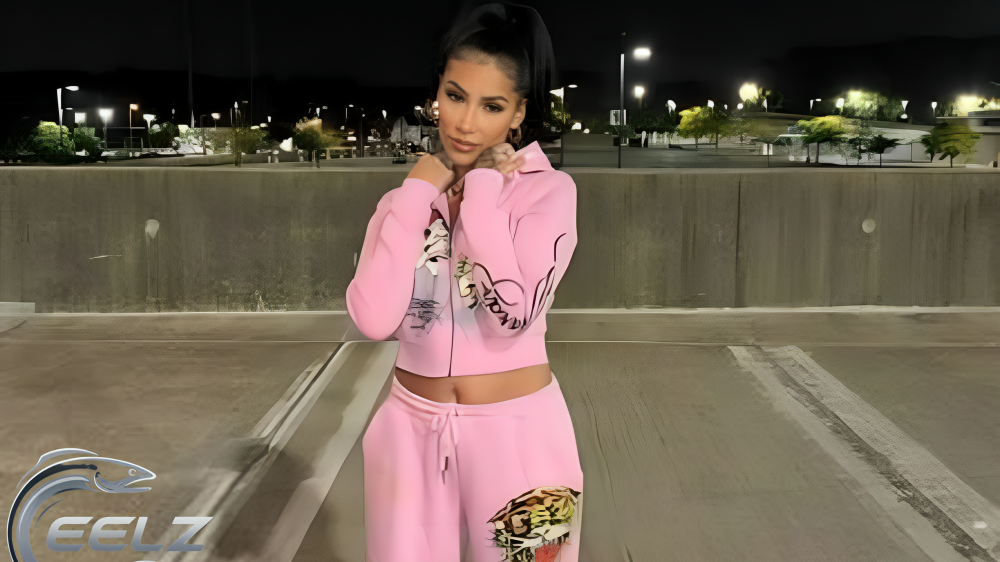
The Ed Hardy set has roared back into fashion with undeniable swagger, capturing the hearts of a new generation obsessed with early 2000s nostalgia. These bold matching outfits — often featuring velour tracksuits, zip-up hoodies paired with coordinated bottoms, and vibrant tattoo-inspired graphics — embody the unapologetic energy of Y2K style. Once a staple of celebrity red carpets and street culture, the Ed Hardy set is experiencing a full-scale renaissance, blending comfort, attitude, and artistic flair.
What makes an Ed Hardy set so compelling today? It’s more than just coordinated loungewear; it’s a wearable tribute to tattoo artistry, rebellion, and playful excess. As Gen Z and millennials rediscover the brand’s archives through social media and thrift finds, these sets have become must-have items for those seeking statement looks that transition effortlessly from casual days to styled outings.
Early Life and Background of the Ed Hardy Brand
The story of the Ed Hardy set begins with the visionary tattoo artist Don Ed Hardy, born Donald Edward Talbot Hardy on 5 January 1945 in Des Moines, Iowa. He grew up in Corona del Mar, Newport Beach, California, where his fascination with tattoos sparked early. As a child, he drew temporary designs on friends using pens and pencils, inspired by army tattoos he saw in his neighbourhood.
Hardy’s artistic talent shone through during his time at Corona del Mar High School, where a supportive art teacher introduced him to masters like Picasso. He exhibited work at the Laguna Beach Art Festival shortly after graduation. He pursued formal training at the San Francisco Art Institute, earning a BFA in printmaking, and later studied under traditional Japanese tattoo master Horihide in the 1970s — a rare opportunity for a Westerner at the time. This fusion of fine art, printmaking techniques, and global tattoo traditions laid the foundation for his distinctive style.
Career and Rise to Fame
Don Ed Hardy opened his influential Realistic Tattoo studio in San Francisco in 1974 (sometimes dated to 1977), pioneering custom, body-specific designs over generic flash art. His work helped elevate tattooing from subculture to respected art form, influencing generations of artists.
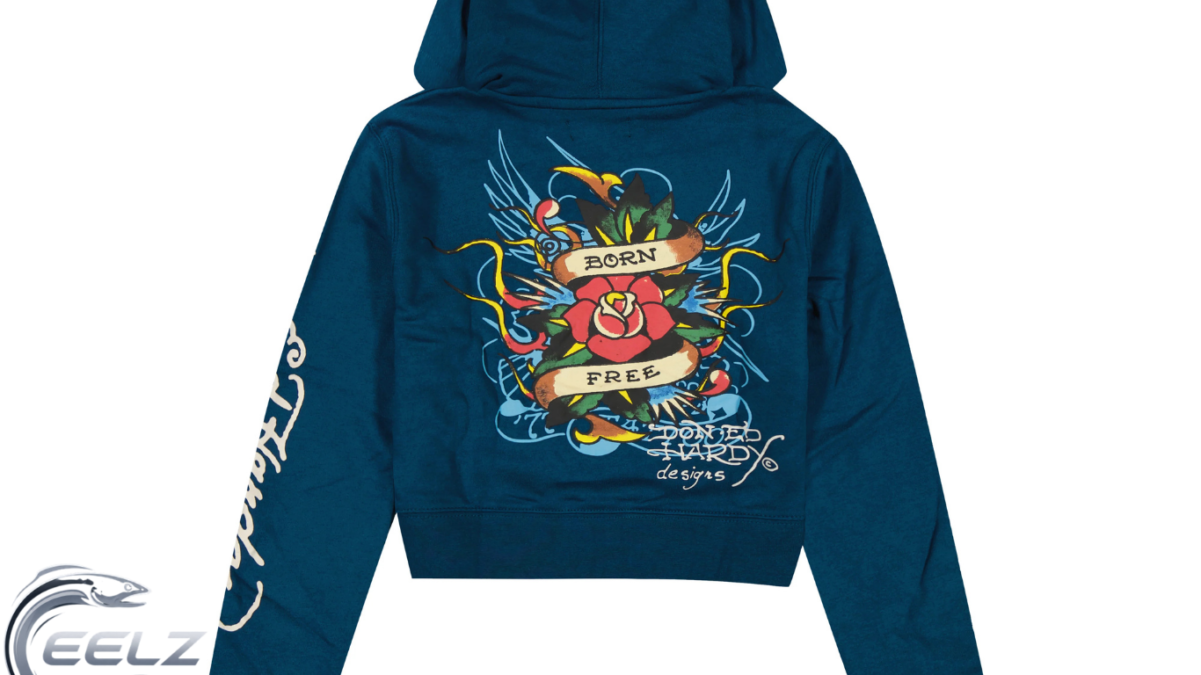
The clothing line that made “Ed Hardy” a household name emerged in the early 2000s. French designer Christian Audigier, known for his work with Von Dutch, licensed Hardy’s artwork around 2004 and transformed it into a fashion empire. Audigier’s flair for bold graphics, rhinestones, and celebrity endorsements catapulted the brand to global fame. Ed Hardy apparel, including signature graphic tees and hoodies, became synonymous with the flashy, rock-infused Y2K aesthetic favoured by stars like Britney Spears, Paris Hilton, and Justin Timberlake.
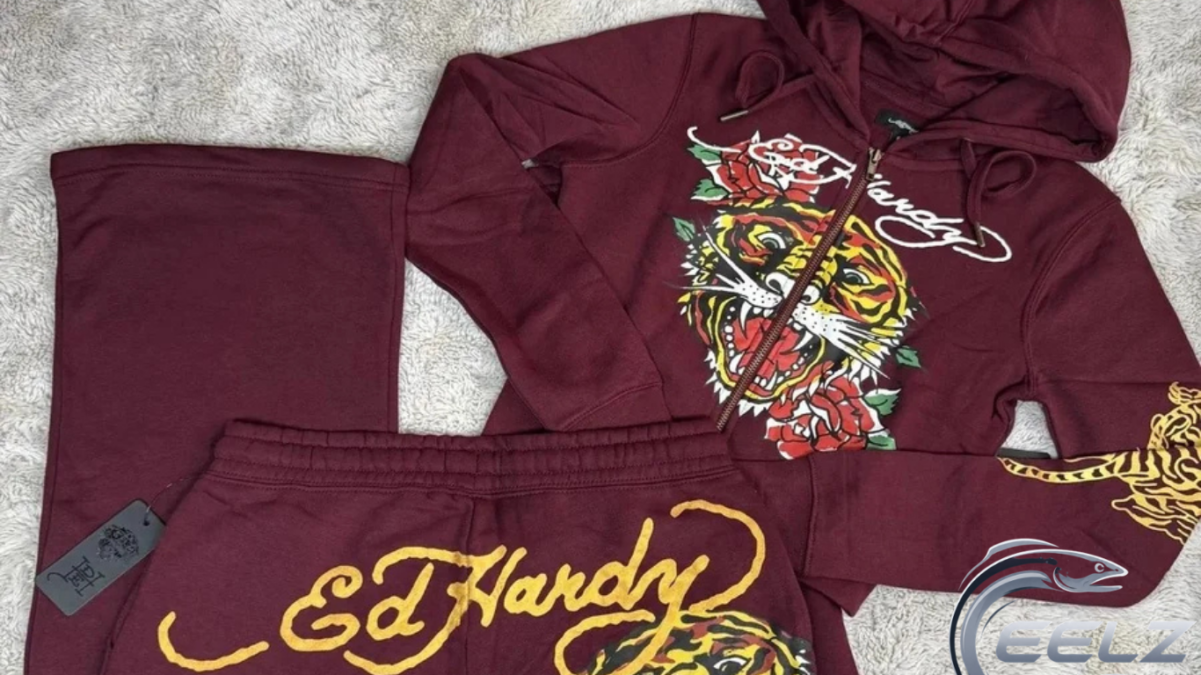
Matching Ed Hardy sets — velour sweatsuits, hoodie-and-pant combos, and PJ-inspired coordinates — emerged as lifestyle staples during this peak. They offered comfort with high-impact visuals, perfect for the era’s mix of casual luxury and street style. The brand’s success led to widespread availability, though it also faced over-saturation critiques in later years.
Personal Challenges or Turning Points
The Ed Hardy brand navigated significant ups and downs. By the late 2000s, rapid expansion and market saturation led to a decline in prestige. Legal disputes arose between Hardy and licensees over royalties and brand direction. Christian Audigier, the driving force behind the commercial explosion, passed away in 2015 from cancer at age 57, marking a poignant chapter.
Ownership shifted, with Iconix Brand Group acquiring majority stakes. Don Ed Hardy retained a minority interest and focused on his fine art, painting, printmaking, and publishing through Hardy Marks. These challenges tested the brand’s resilience but also set the stage for a thoughtful revival rooted in authenticity rather than pure hype.
Personal Life
Public details about Don Ed Hardy’s personal life remain relatively private, centred on his dedication to art and family support. He has spoken warmly of his mother’s encouragement and his long-term studios in San Francisco and Honolulu. His life reflects a balance between the rebellious tattoo world and fine-art sensibilities. Christian Audigier was known for his flamboyant personality and entrepreneurial drive, but confirmed personal details beyond his professional legacy are limited in reliable sources.
Later Career and Current Activities
Today, the Ed Hardy brand thrives in its revival phase. Official collections spotlight Y2K sets with modern updates — velour outfits, zip-front hoodies, and graphic coordinates that honour the originals while appealing to contemporary tastes.
Don Ed Hardy continues creating art, with exhibitions and retrospectives celebrating his influence on tattoo culture. The brand collaborates and releases fresh interpretations of its heritage pieces, appearing in fashion editorials and on platforms like TikTok and Pinterest, where “Ed Hardy set” styling ideas proliferate.
Charity and cultural preservation efforts tied to Hardy’s legacy occasionally surface, though the focus remains on artistic output and brand evolution under current ownership.
Quick Bio
| Detail | Information |
| Full Name | Don Ed Hardy (brand: Ed Hardy) |
| Date of Birth | 5 January 1945 |
| Place of Birth | Des Moines, Iowa, USA |
| Nationality | American |
| Profession | Tattoo artist, fine artist, brand |
| Years Active | 1960s–present (clothing line 2000s–present) |
| Known For | Tattoo art, Ed Hardy clothing line and Y2K sets |
| Estimated Net Worth | Not publicly confirmed for the artist; brand value significant under Iconix |
Legacy and Lasting Impact
The Ed Hardy set endures as a symbol of fearless self-expression. Don Ed Hardy’s work bridged traditional tattooing with modern fashion, influencing how art appears on clothing and bodies alike. In the current Y2K revival, these sets represent nostalgia with a twist — comfort-first fashion that makes a loud visual statement.
Their impact extends beyond trends: they democratised bold graphics and encouraged individuality. While critics once dismissed the brand as over-the-top, its resurgence highlights cyclical fashion and the power of authentic artistry in commercial success.
Conclusion
From tattoo studios to global runways and back to everyday wardrobes, the Ed Hardy set tells a story of cultural evolution, resilience, and unfiltered creativity. Whether styled for a casual outing or as part of a full Y2K-inspired look, it continues to turn heads and spark conversations about fashion’s playful side.