The Enduring Appeal of Southern Comfort: A Smooth Legend from the American South

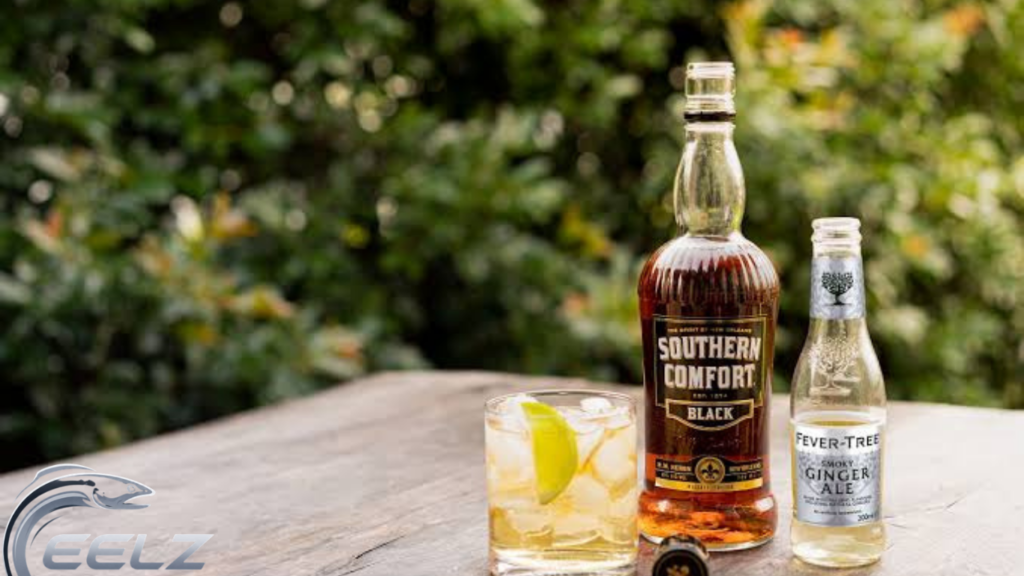
Southern Comfort has long been more than just a drink – it is a symbol of Southern hospitality, ingenuity, and easy-going charm. Created in the vibrant streets of 19th-century New Orleans, this fruit-flavoured whiskey liqueur has woven itself into the fabric of American drinking culture, offering a smoother, more approachable alternative to harsher spirits.
For generations, Southern Comfort has evoked images of lazy porches, lively parties, and that unmistakable blend of whiskey warmth with sweet fruit and spice notes. Whether sipped neat, mixed into classic cocktails, or enjoyed at music festivals and tailgates, it continues to deliver comfort in a glass. Its story is one of innovation, resilience through changing times, and a lasting cultural footprint that keeps enthusiasts coming back.
Early Life and Background
The tale of Southern Comfort begins with Martin Wilkes Heron, an Irish-American bartender born on 4 July 1850. Heron, the son of a boat-builder, immigrated to the United States and eventually found his calling in the saloons of New Orleans.
Working at McCauley’s Tavern in the Lower Garden District, Heron grew frustrated with the rough, overpowering taste of the whiskeys available at the time. Customers sought something more palatable – a spirit that could be enjoyed without the harsh burn. In 1874, he experimented with blending whiskey, stone fruits, spices, honey, and citrus elements, creating an original concoction initially known as “Cuffs and Buttons.”
This early creation reflected the multicultural influences of New Orleans, drawing on local flavours and Heron’s mixology skills. Little is known about his formal education, but his practical experience behind the bar honed his craft and entrepreneurial spirit.

Career and Rise to Fame
Heron’s innovation gained traction locally. By 1889, he had moved to Memphis, Tennessee, where he patented the formula and began bottling it commercially under the name Southern Comfort. Labels proudly proclaimed “None Genuine But Mine,” emphasising its authenticity.
The liqueur’s rise accelerated through the late 19th and early 20th centuries. It reportedly earned recognition at world’s fairs, including gold medals, boosting its reputation beyond the South. After Heron’s death in 1920, the brand navigated the challenges of Prohibition and subsequent ownership changes.
Brown-Forman acquired it in 1979, during which time the base shifted temporarily to neutral spirits. Its cultural visibility grew through associations with icons like Janis Joplin and cocktails such as the Scarlett O’Hara, created for Gone with the Wind. These milestones cemented Southern Comfort’s place in popular culture as a versatile, party-friendly spirit.
Personal Challenges or Turning Points
Like many historic spirits, Southern Comfort faced significant hurdles. Prohibition in the 1920s disrupted production and distribution. Post-Prohibition recovery required rebuilding consumer trust and adapting to evolving tastes.
Ownership transitions brought reformulations; for periods, the whiskey content was minimal, leading to debates about its identity as a liqueur rather than a straight whiskey. The 2016 sale to the Sazerac Company marked a pivotal turning point. Sazerac restored the original whiskey base in 2017, honouring Heron’s vision while introducing modern variants like Southern Comfort Black.
These adaptations demonstrated resilience, allowing the brand to thrive amid shifting regulations, market preferences, and competition from craft distilleries.
Personal Life
Details about Heron’s private life remain limited in public records. He built a successful career in the spirits industry, eventually settling in St. Louis, where he lived in his later years. Upon his death on 17 April 1920, he left a substantial estate, reflecting the commercial success of his creation. His business associate Grant M. Peoples continued aspects of the operation.
The brand itself has no “personal” life beyond its public persona, but it has been embraced by diverse communities, from Southern traditions to rock ‘n’ roll circles.
Later Career and Current Activities
Today, Southern Comfort is owned by the Sazerac Company and remains a global brand with a loyal following. It offers various proofs and flavoured expressions, alongside ready-to-drink options. The official website highlights its New Orleans roots and smooth character, positioning it as ideal for mixing or sipping.
Public appearances often tie into music, sports, and festivals, where its approachable profile shines. The brand engages in marketing that celebrates Southern heritage while appealing to contemporary drinkers. Limited editions and cocktail culture keep it relevant in bars and homes worldwide.

Quick Bio
| Detail | Information |
| Full Name | Southern Comfort (often SoCo) |
| Date of Birth | 1874 |
| Place of Birth | New Orleans, Louisiana, USA |
| Nationality | American |
| Profession | Whiskey liqueur |
| Years Active | 1874–present |
| Known For | Fruit and spice-flavoured smoothness, iconic cocktails |
| Estimated Net Worth | Not publicly disclosed (major brand under Sazerac Company) |
Legacy and Lasting Impact
Southern Comfort’s importance lies in its democratisation of whiskey drinking. By softening traditional spirits with natural flavours, Heron created a liqueur that invited broader participation in social drinking culture. It influenced cocktail innovation and remains a staple in Southern-inspired recipes.
Its story reflects broader American themes: immigrant entrepreneurship, regional pride, and adaptation through economic and social changes. Public perception views it as fun, nostalgic, and reliably smooth – a comforting presence at gatherings. Lessons from its journey highlight the value of innovation rooted in tradition and the importance of authenticity in a crowded market.
Conclusion
From a New Orleans saloon experiment to a worldwide phenomenon, Southern Comfort embodies the spirit of the American South – warm, resilient, and full of character. Its evolution mirrors shifts in drinking habits while staying true to its comforting essence.