
Best Folding eBike UK: The Practical Guide for 2026 Commuters

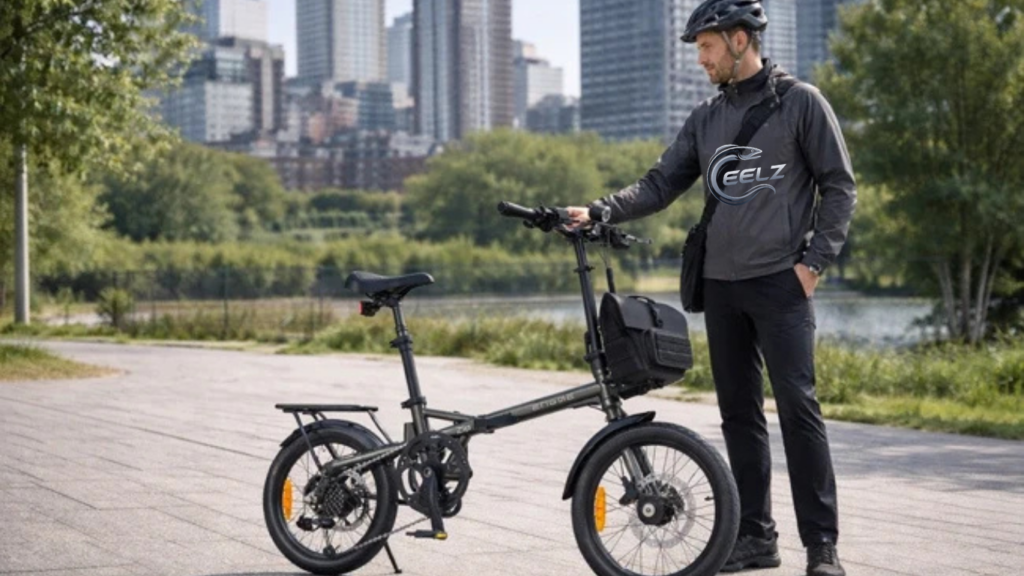
Finding the best folding eBike UK riders can rely on has never been more relevant. With packed trains, limited storage in flats and the ongoing need for flexible urban travel, a good folding electric bike offers a genuine solution. These machines combine the ease of electric assistance with a compact fold that tucks away under a desk, in a boot or beside a train seat.
In 2026 the market is broader and more refined than ever. Premium British-made options sit alongside lighter carbon frames and capable budget models with fat tyres. Whether you need something light enough to carry upstairs or a tougher bike for mixed surfaces, the right choice depends on your daily routine, storage space and budget. This guide focuses on verified performance, real-world practicality and the factors that matter most to UK riders.
Why Folding eBikes Matter in the UK
Folding electric bikes address specific British challenges. Many rail operators still restrict non-folding e-bikes, while city living often leaves little room for a full-size bike. A well-designed folder can be wheeled onto a train, stored indoors overnight and unfolded for the final leg of the journey.
Legal requirements remain clear: continuous motor power is limited to 250 W and assistance cuts out at 15.5 mph (25 km/h). Most reputable models meet these rules. Weight, fold size, range and ride quality then become the decisive points. Lighter bikes (under 18 kg) suit frequent carrying; heavier fat-tyre models trade portability for comfort on imperfect roads.
Key Features That Separate the Best Folding eBike UK Contenders
Before looking at individual models, it helps to understand the core specifications that affect daily use.
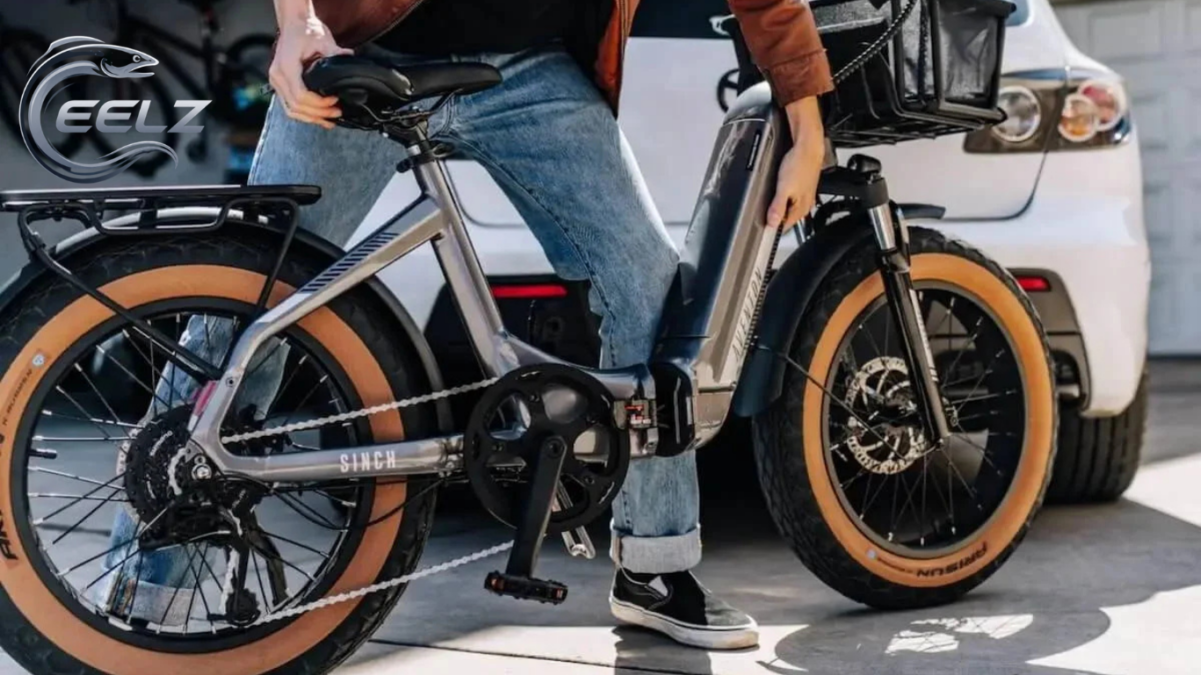
Weight and fold size determine how easy the bike is to lift and store. Carbon-framed options can dip below 13 kg; steel or aluminium fat-tyre bikes often exceed 30 kg. A tight, stable fold that stays locked and can roll when folded is far more useful than a compact package that collapses awkwardly.
Battery and range claims vary widely. Manufacturers often quote optimistic figures; real-world range in mixed UK conditions is typically lower. Look for removable batteries that can be charged indoors and systems that deliver at least 30–40 miles under normal assist levels.
Motor and drive type influence both performance and maintenance. Rear-hub motors are common on lighter folders. Mid-drive systems (often Bosch) feel more natural on hills. Belt drives reduce mess and upkeep compared with chains—especially useful when the bike is carried regularly.
Tyres, brakes and comfort matter on British roads. Larger or fatter tyres handle potholes better. Hydraulic disc brakes offer consistent stopping power in wet weather. Suspension is rare on the lightest models but welcome on rougher routes.
Leading Options for the Best Folding eBike UK in 2026
Several models stand out across independent testing and rider feedback.
The Brompton Electric G Line and related C-Line and P-Line versions remain benchmarks for compact folding. The G Line offers a more confident ride with 20-inch wheels while retaining the brand’s famously tight fold. Weights sit around 17 kg, claimed ranges reach 40–45 miles, and prices start near £3,500. These bikes are engineered in the UK and built for longevity. They excel for mixed-mode commuting where the fold must be quick and the package small enough for crowded carriages. Taller riders sometimes find the geometry restrictive, but for many urban users the Brompton remains the reference point.
Tern Vektron models, particularly the P5i, bring full-size e-bike manners into a folding package. Equipped with Bosch Smart System mid-drive motors, Gates carbon belt drives and multi-speed hubs, they deliver smooth power and low maintenance. Weight is higher (around 23 kg) and the folded size is less tiny than a Brompton, yet the ride quality and range (up to 50-plus miles) suit longer or hillier routes. Prices sit in the £3,500–£3,800 region.
UTO Afternoon Pro 20 has earned strong reviews for balancing fold quality, road manners and value at around £3,000. It folds cleanly, rolls when packed and feels refined once underway. Real-world range and practical details such as charge-port access when folded add to its appeal for daily use.
On the lighter side, ADO Air Carbon and Air 20 models offer impressive portability. Carbon versions can weigh as little as 12.5 kg with claimed ranges beyond 50 miles in ideal conditions. Belt-drive options reduce maintenance. Prices span roughly £1,000 to £2,000 depending on specification. These suit riders who prioritise carrying the bike up stairs or onto frequent trains.
Other noteworthy names include Volt Lite for refined commuting feel, Estarli models with automatic hubs and belt drives under £2,000, and emerging lightweight contenders that continue to push the weight boundary.
Practical Considerations and Trade-offs
No single folding e-bike is perfect for every rider. Lighter models often sacrifice suspension or tyre volume, making them less comfortable on poor surfaces. Heavier fat-tyre bikes handle rough roads better but become a burden when carried. Premium brands command higher prices yet typically offer superior fold mechanisms, component quality and after-sales support.
Battery longevity, spare-part availability and warranty length are worth checking. Removable batteries that charge separately are convenient for apartment living. Security remains important—folding bikes are attractive targets, so good locks and indoor storage help.
UK weather also influences choices. Integrated lights, reliable mudguards and puncture-resistant tyres reduce daily friction. Test rides, where possible, reveal differences in geometry, assist feel and fold ease that specifications alone cannot capture.
Quick Comparison Table
| Detail | Information |
| Typical Weight Range | 12.5 kg (carbon) to 30+ kg (fat-tyre) |
| Common Price Band | £900–£3,800 |
| Legal Motor Limit | 250 W continuous, 15.5 mph cut-off |
| Typical Real-World Range | 25–50+ miles depending on model and conditions |
| Best Compact Fold | Brompton Electric models |
| Best Lightweight Carry | ADO Air Carbon and similar |
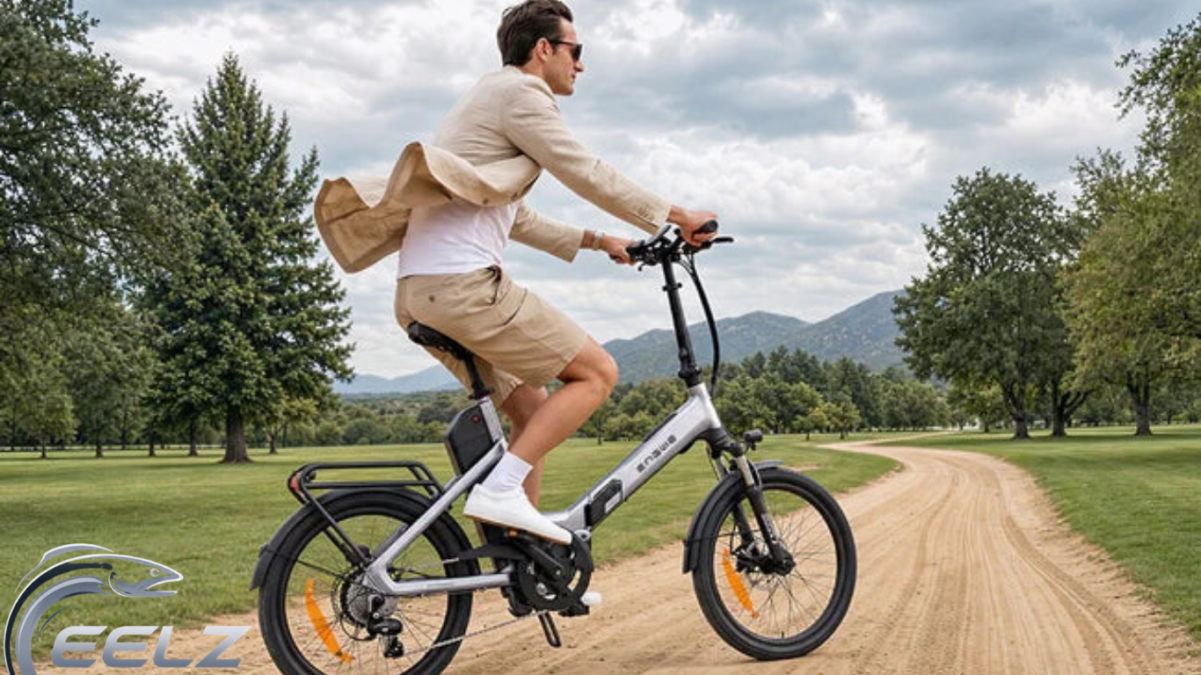
| Best Value All-Rounder | Engwe EP-2 series or mid-range UTO/Estarli |
| Best Ride Quality | Tern Vektron or premium Brompton |
| Primary Use Cases | Train commute, flat storage, mixed urban travel |
Figures are approximate and drawn from manufacturer data and independent reviews current in 2026. Always verify the latest specifications before purchase.
Making the Right Choice for Your Needs
Start with your non-negotiables. If the bike must be carried regularly, prioritise weight under 18 kg and a stable fold. For longer distances or hills, focus on motor torque, battery capacity and gear range. Budget models can deliver solid performance but may lack the refined fold or component durability of higher-priced options.
Consider total cost of ownership: quality brakes, a reliable battery and accessible service support often prove more valuable than the lowest sticker price. Cycle-to-work schemes or retailer finance can ease the outlay on premium models.
Lasting Value of a Good Folding eBike
A well-chosen folding electric bike becomes more than a gadget. It expands travel options, reduces reliance on cars or crowded public transport for short hops, and fits into constrained living spaces. The best folding eBike UK riders select tends to be the one that disappears when not in use yet feels capable and enjoyable when called upon.
Conclusion
Improvements in motors, batteries and frame materials continue each year, yet the core principles remain consistent: portability, legal compliance, reliable assistance and everyday practicality. Riders who match those principles to their own routes and storage constraints usually find lasting satisfaction.