
Green Cardamom: The Enduring Queen of Spices

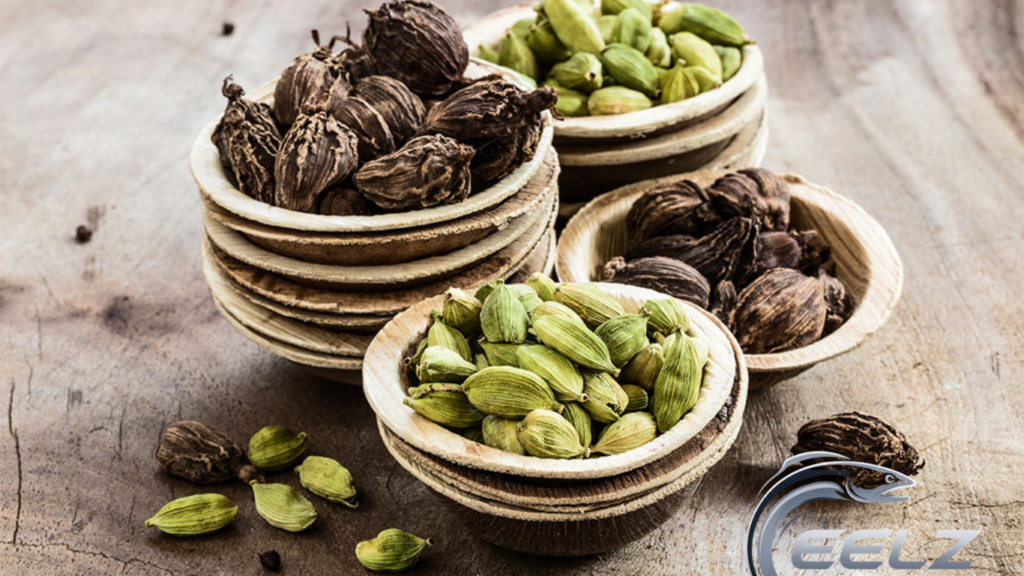
Few ingredients can transform a simple cup of tea or a pot of rice quite like green cardamom. With its distinctive sweet-spicy aroma that carries notes of citrus, mint and eucalyptus, this small green pod has travelled from the misty forests of southern India to kitchens across the world. Known as the “queen of spices,” green cardamom continues to captivate cooks, herbalists and food lovers for its versatility and depth of flavour.
Readers remain drawn to green cardamom not only for its culinary power but for the rich history and cultural significance it carries. From ancient Ayurvedic texts to modern Scandinavian baking and Middle Eastern coffee rituals, the spice has woven itself into daily life and celebration alike. Its story is one of careful cultivation, global trade and quiet resilience.
Early Life and Background
Green cardamom, scientifically known as Elettaria cardamomum, is a perennial herbaceous plant belonging to the ginger family, Zingiberaceae. It is native to the moist evergreen forests of the Western Ghats in southern India, particularly the Cardamom Hills of Kerala, as well as parts of Karnataka and Tamil Nadu. Wild populations once thrived in the understorey of these tropical rainforests, where high humidity, filtered light and rich, well-drained loamy soils provided ideal conditions.
The plant grows from underground rhizomes, sending up tall, cane-like stems that can reach two to four metres in height. Long, lance-shaped leaves form dense clumps, while the characteristic seed pods develop on flowering spikes that emerge near the base. Each small, spindle-shaped capsule contains aromatic black or reddish-brown seeds that deliver the spice’s signature fragrance.
Historical records place green cardamom among the oldest known spices. References appear in ancient Sanskrit texts, including the Charaka Samhita, dating back centuries before the Common Era. It was valued in Ayurvedic tradition as a digestive aid, breath freshener and balancing herb. Arab traders carried it westward, introducing it to the courts of Persia, Egypt, Greece and Rome. Ancient Egyptians reportedly chewed the seeds for fresh breath, while classical writers noted its use in medicines and perfumes.
By the time European explorers and the British East India Company expanded trade in the region, green cardamom had already established itself as a prized commodity. Cultivation expanded beyond wild harvesting, with plantations developing under forest shade in Kerala and neighbouring states. The spice’s early “education” in commerce came through these trade networks, which eventually carried it to new growing regions including Guatemala, Sri Lanka and parts of Central America.
Career and Rise to Fame
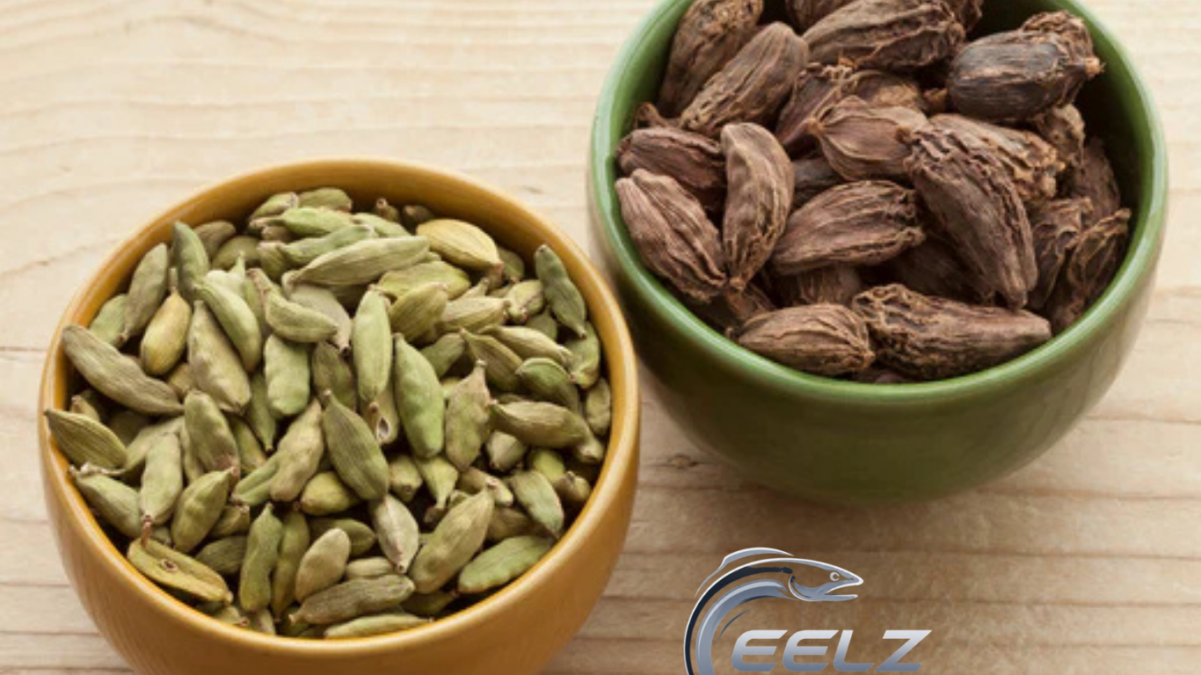
Green cardamom’s career as a culinary and medicinal staple began in its Indian homeland. In South Asian cooking it became essential to masala chai, biryani, pulao, garam masala blends and a wide range of sweets such as kheer and gulab jamun. Its bright, complex flavour elevates both savoury and sweet dishes without overpowering them.
The spice’s international breakthrough arrived through centuries of trade. In the Middle East it found a permanent place in coffee, often lightly crushed and added to the pot. Scandinavian bakers adopted it for cardamom buns and pastries, making Sweden one of the highest per-capita consumers outside traditional growing regions. In Iran and India it flavours both tea and coffee, while European and American markets came to value it in cakes, biscuits and spice mixes.
Major milestones include the establishment of organised plantations in India during the colonial period and the introduction of the crop to Guatemala in the early twentieth century by European coffee planters. Guatemala later became the world’s largest producer by volume, while India retained a reputation for superior oil content and aroma, particularly from the Alleppey and Mysore varieties. High-yielding cultivars such as Njallani further strengthened production in Kerala’s Idukki district.
Recognition comes less through formal awards and more through enduring market status. Green cardamom consistently ranks among the world’s most expensive spices by weight, after saffron and vanilla. Its public reputation rests on quality, versatility and the labour-intensive nature of its harvest: pods are picked by hand just before full maturity and carefully dried to preserve their green colour and essential oils.
Personal Challenges or Turning Points
Like many tropical crops, green cardamom faces environmental pressures. It requires specific conditions—altitudes of roughly 600 to 1,500 metres, annual rainfall of 1,500 to 4,000 millimetres, temperatures between 15 and 35 °C, and 50 to 60 per cent shade. Climate variability, droughts and changes in rainfall patterns have affected yields in both India and Guatemala in recent years.
Disease and pest pressure, together with the need for careful shade management and soil health, present ongoing challenges for growers. Market prices can fluctuate sharply with supply disruptions, as seen when Guatemalan production declined significantly in certain seasons, shifting demand toward Indian supplies. Farmers have responded with improved varieties, better post-harvest practices and, in some cases, organic or biodynamic approaches that protect both quality and the surrounding forest ecosystems.
Resilience appears in the continued refinement of cultivation techniques and the spice’s ability to maintain demand across diverse culinary cultures. Traditional knowledge of harvesting and curing—sun-drying or controlled artificial drying to retain colour and aroma—remains central to quality, even as modern logistics expand global reach.
Personal Life
Green cardamom does not have a personal biography in the human sense, yet its “family life” is deeply rooted in the communities that cultivate it. In the Cardamom Hills of Kerala and similar regions, generations of farmers and tribal groups have tended the crop under forest canopies. The plant’s relationship with shade trees, soil organisms and local biodiversity forms an ecological partnership that supports both spice production and forest conservation.
Public statements about the spice come largely through culinary tradition and scientific literature rather than individual interviews. Its role in hospitality—offering cardamom-scented tea or coffee to guests—reflects cultural values of warmth and welcome across South Asia and the Middle East. In many households the pods are kept whole until needed, crushed lightly just before use to release maximum fragrance.
Later Career and Current Activities
Today green cardamom remains a vital global commodity. Guatemala and India dominate production and exports, with significant quantities also grown in Nepal, Sri Lanka and other tropical regions. The Middle East, particularly Saudi Arabia and the United Arab Emirates, accounts for a large share of imports, while European, North American and Asian markets continue to grow.
Recent years have seen renewed interest in its potential health contributions. Traditional uses for digestion, breath freshness and mild respiratory comfort are supported by research into its essential oils, antioxidants and possible effects on blood pressure and metabolic markers. Culinary innovation continues: chefs pair it with chocolate, fruit, roasted meats and even cocktails. Specialty producers emphasise single-origin pods, organic certification and careful grading by size and colour.
Charity and advocacy efforts often focus on sustainable farming in the Western Ghats, supporting smallholders and protecting the biodiversity of the Cardamom Hills. The spice also appears in wellness products, teas and natural oral-care preparations, extending its presence beyond the kitchen.
Quick Bio
| Detail | Information |
| Full Name | Elettaria cardamomum (green or true cardamom) |
| Date of Birth | Ancient; documented use from at least 4th century BCE |
| Place of Birth | Western Ghats, southern India |
| Nationality | Native to India; cultivated worldwide in tropics |
| Profession | Culinary spice, traditional medicinal herb |
| Years Active | Several millennia |
| Known For | Aromatic pods used in sweet and savoury dishes; “Queen of Spices” |
| Estimated Market Value | Among the world’s most expensive spices by weight; global trade valued in hundreds of millions of US dollars annually |
Legacy and Lasting Impact
Green cardamom remains important because it bridges flavour, culture and history. Its influence stretches from the garam masala of Indian home kitchens to the cardamom buns of Scandinavia and the spiced coffee of the Arabian Peninsula. Public perception sees it as both everyday comfort and luxurious accent—an ingredient that signals care and tradition.
Lessons from its journey include the value of specialised growing conditions, the rewards of careful hand-harvesting, and the power of a single aromatic plant to connect distant culinary worlds. As interest in authentic, high-quality spices grows, green cardamom continues to demonstrate that true excellence often lies in the details of origin, handling and respect for tradition.
Conclusion
From the shaded slopes of the Western Ghats to spice jars in homes across continents, green cardamom has maintained its place through centuries of changing tastes and trade routes. Its story is one of quiet persistence: a plant that thrives under the right conditions and rewards those who handle it with attention. Whether crushed into chai, ground into a cake or simply inhaled for its bright fragrance, it offers a small, fragrant reminder of the richness that nature and human cultivation can create together.