
How Much Does a Gallbladder Weigh? The Surprising Facts About This Tiny but Mighty Organ

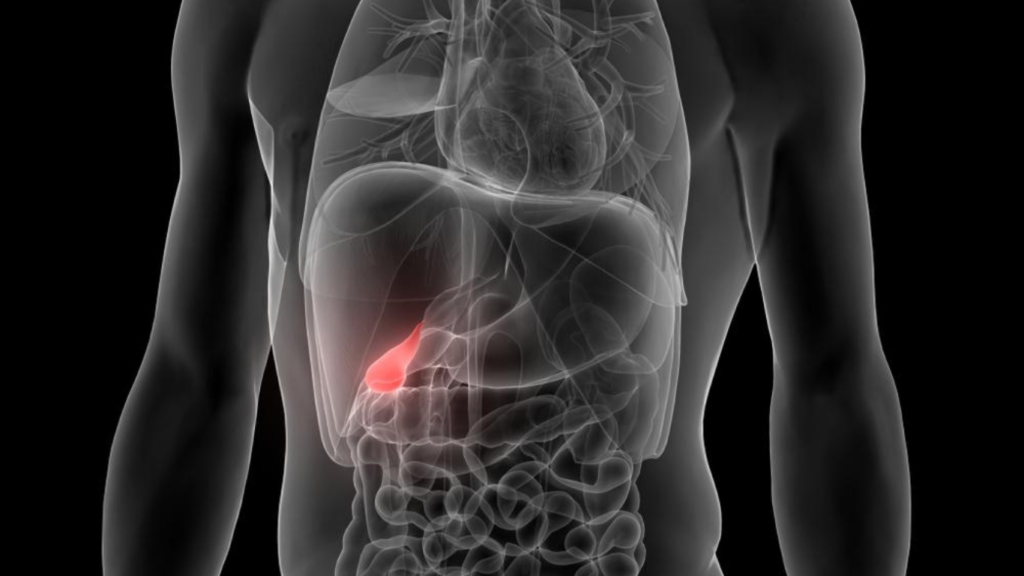
The human gallbladder is one of those body parts many people rarely think about until something goes wrong. Tucked quietly beneath the liver, this small, pear-shaped organ plays a vital role in digestion, yet it often flies under the radar. So, how much does a gallbladder weigh? For most healthy adults, the answer is around 30 to 50 grams – roughly the weight of a small chocolate bar or a large strawberry.
This modest weight belies its importance. The gallbladder stores and concentrates bile, the digestive fluid produced by the liver that helps break down fats in our food. Understanding its size, weight, and function can shed light on why gallbladder issues, such as gallstones, affect so many people and what life looks like with or without this organ.
The Anatomy of the Gallbladder: Small but Essential
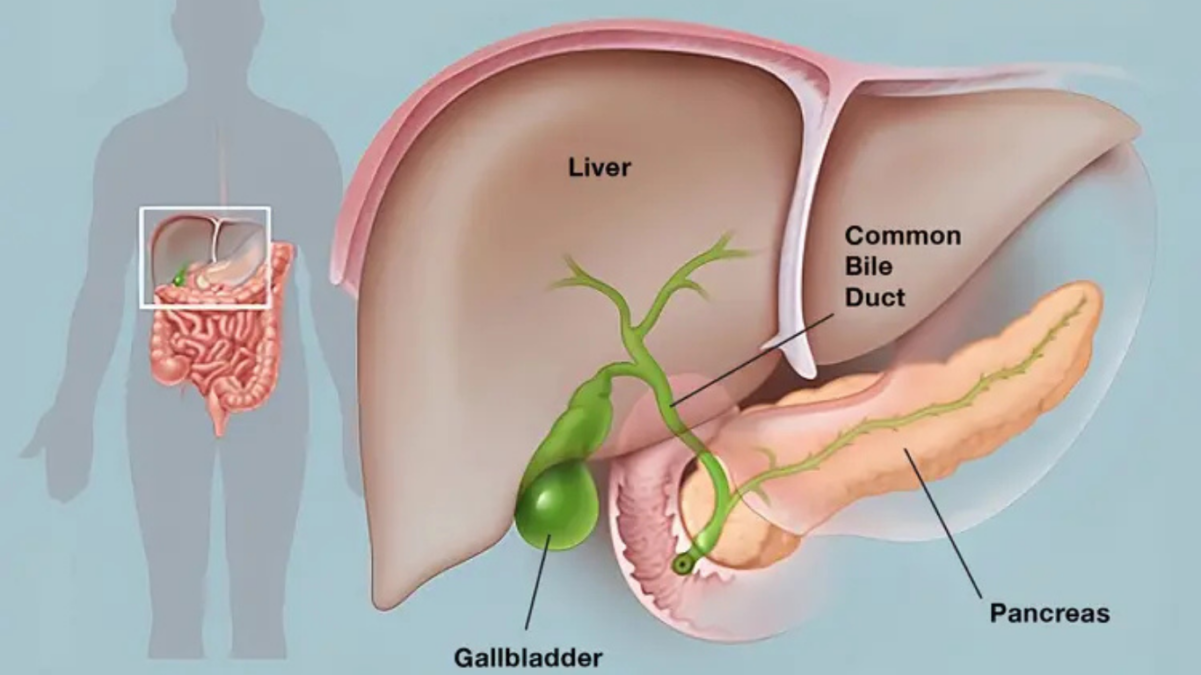
The gallbladder sits in the upper right abdomen, nestled in a shallow depression under the liver’s right lobe. In adults, it typically measures 7 to 10 centimetres in length and about 4 centimetres in diameter when full. Its capacity is around 30 to 50 millilitres of bile, though it can stretch further if needed.
Weighing approximately 30–50 grams when empty and healthy, the gallbladder’s mass can vary slightly based on age, sex, body size, and overall health. Some sources note averages closer to 50 grams, with minor differences between men and women. When diseased or filled with stones, its weight can increase noticeably.
The organ’s wall is thin – usually less than 3 millimetres – and it has a distinctive pear shape with sections called the fundus, body, and neck. This structure allows it to efficiently store bile and release it on demand through the cystic duct into the common bile duct and eventually the small intestine.
How the Gallbladder Works in Digestion
Bile is continuously produced by the liver, but the gallbladder acts as a reservoir, concentrating it up to ten times by removing water. When you eat a meal containing fats, hormones like cholecystokinin trigger the gallbladder to contract, squeezing concentrated bile into the intestine. There, bile salts emulsify fats, breaking them into smaller droplets that enzymes can digest more easily.
Without this storage system, bile would drip steadily from the liver, which is less efficient for handling fatty meals. This is why the gallbladder, despite its small size and weight, is remarkably effective at supporting comfortable digestion.
How Much Does a Gallbladder Weigh with Gallstones or Disease?
A healthy gallbladder’s weight is one thing, but conditions like gallstones can change the picture. Gallstones form when substances in bile – often excess cholesterol – harden. They range from tiny grains to golf-ball size and can add significant weight. In rare cases involving many stones or inflammation (cholecystitis), the organ may weigh more due to swelling or accumulated material.
Reliable medical sources indicate that a normal gallbladder without stones averages 30–50 grams, but inflamed or stone-filled ones can exceed this. Exact weights in surgical specimens vary, and there is limited public data on extreme cases. Always consult a healthcare professional for personal concerns rather than relying on general figures.
Common Gallbladder Problems: When Things Go Wrong
Gallstones are the most frequent issue, affecting a significant portion of adults, particularly women, those over 40, and people with certain risk factors like obesity or rapid weight loss. Many stones cause no symptoms (“silent” gallstones), but others lead to painful “gallbladder attacks” – intense pain in the upper right abdomen, often after fatty foods, sometimes radiating to the back or shoulder, along with nausea.
Other problems include inflammation, infection, or polyps. Symptoms warrant prompt medical attention, as complications can arise if ducts become blocked. Diagnosis often involves ultrasound, which can also measure the gallbladder’s dimensions and wall thickness.
Life Without a Gallbladder: Is It Possible?
The gallbladder is not essential for survival. Cholecystectomy (gallbladder removal) is a common surgery, often performed laparoscopically with quick recovery – many patients return home the same day or next and resume normal activities within one to two weeks.
After removal, the liver continues producing bile, which flows directly into the intestine. Most people adapt well and live full, healthy lives. Some experience temporary digestive changes, such as looser stools or difficulty with very fatty meals, but these usually improve over time with dietary adjustments like smaller, lower-fat meals.
Long-term, there is no major impact on life expectancy for most patients. Many report feeling better once problematic symptoms are resolved.
Maintaining Gallbladder Health
While you cannot easily control the gallbladder’s exact weight, lifestyle choices support its function. A balanced diet rich in fibre, moderate healthy fats, and regular physical activity can help reduce gallstone risk. Staying hydrated and avoiding rapid weight loss are also beneficial.

Routine check-ups and awareness of symptoms allow early intervention if issues arise.
Quick Facts About the Gallbladder
| Detail | Information |
| Average Weight (healthy adult) | 30–50 grams |
| Typical Length | 7–10 cm |
| Capacity | 30–50 ml of bile |
| Main Function | Stores and concentrates bile |
| Common Issues | Gallstones, inflammation |
| Life Without It | Generally normal with adaptations |
Conclusion
The gallbladder may weigh very little, but its contribution to comfortable eating and nutrient absorption is outsized. From its quiet storage duties to the challenges that sometimes require its removal, it highlights how even small parts of our anatomy play meaningful roles in daily wellbeing.