
Posterior Auricular Lymph Nodes: The Unsung Guardians Behind Your Ears

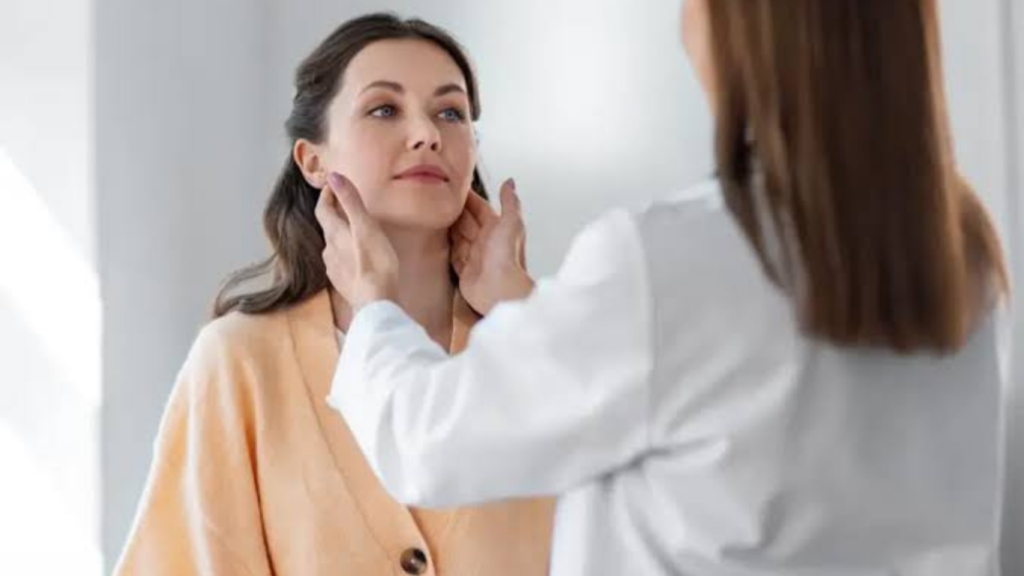
In the intricate landscape of the human body, few structures work as quietly and effectively as the posterior auricular lymph nodes. Tucked away just behind the ears, these small but vital components of the lymphatic and immune systems often go unnoticed until something draws attention to them—usually swelling that signals the body is mounting a defence.
For many, discovering a tender lump behind the ear can spark concern or curiosity. Yet these nodes play an essential everyday role in protecting us from infections affecting the scalp, ears, and nearby areas. Understanding the posterior auricular lymph nodes offers reassurance and insight into how our bodies maintain health amid constant environmental challenges.
What Are Posterior Auricular Lymph Nodes?
Posterior auricular lymph nodes, also known as mastoid or retroauricular lymph nodes, are a small group of bean-shaped glands typically numbering two or three. They sit on the mastoid process—the bony prominence behind the ear—beneath the posterior auricular muscle.
These nodes form part of the superficial lymph nodes of the head and neck. They filter lymphatic fluid draining from the posterior scalp, the external ear (auricle), and adjacent skin and tissues. Like other lymph nodes throughout the body, they house immune cells such as lymphocytes that identify and neutralise pathogens.
Though small—often no larger than a pea when not enlarged—their strategic location makes them key sentinels for the upper head and neck region.
Anatomy and Location of Posterior Auricular Lymph Nodes
To locate the posterior auricular lymph nodes, feel gently behind the ear where the ear meets the skull. They lie along the base of the skull near the mastoid bone, in a line that follows the posterior auricular muscle.
Their position explains why they become noticeable during infections of the ear, scalp, or upper neck. Lymphatic vessels carry fluid from these areas to the nodes, where it is filtered before returning to the bloodstream. This drainage pathway helps contain potential threats locally before they spread.
The Vital Functions of Posterior Auricular Lymph Nodes
The primary role of these nodes is immune surveillance and response. They trap bacteria, viruses, and other foreign particles, preventing infections from spreading further. When pathogens are detected, the nodes activate and produce more immune cells, which can lead to temporary enlargement.
This filtering process is part of the broader lymphatic system’s work in maintaining fluid balance and supporting immunity. The posterior auricular lymph nodes contribute quietly to our resilience against common ailments like colds, skin infections, or ear issues.
Common Causes of Swollen Posterior Auricular Lymph Nodes
Swelling, or lymphadenopathy, in these nodes is usually a sign that they are actively responding to a challenge. Common triggers include:
- Local infections: Ear infections (otitis), scalp infections, or skin conditions like cellulitis.
- Upper respiratory or throat infections: Colds, flu, strep throat, or mononucleosis.
- Dental or oral issues: Abscessed teeth or gum inflammation.
- Viral illnesses: Such as those affecting the head and neck area.
In most cases, the swelling is temporary and resolves as the underlying issue clears. Swelling on one side often points to a localised problem on that side of the head.
Less commonly, persistent or painless enlargement may relate to other conditions, including autoimmune disorders or, rarely, more serious issues like lymphoma. Medical evaluation is important if swelling lasts more than a few weeks, is accompanied by other symptoms (such as unexplained weight loss, night sweats, or fever), or feels hard and fixed.
Recognising Symptoms and When to Seek Help
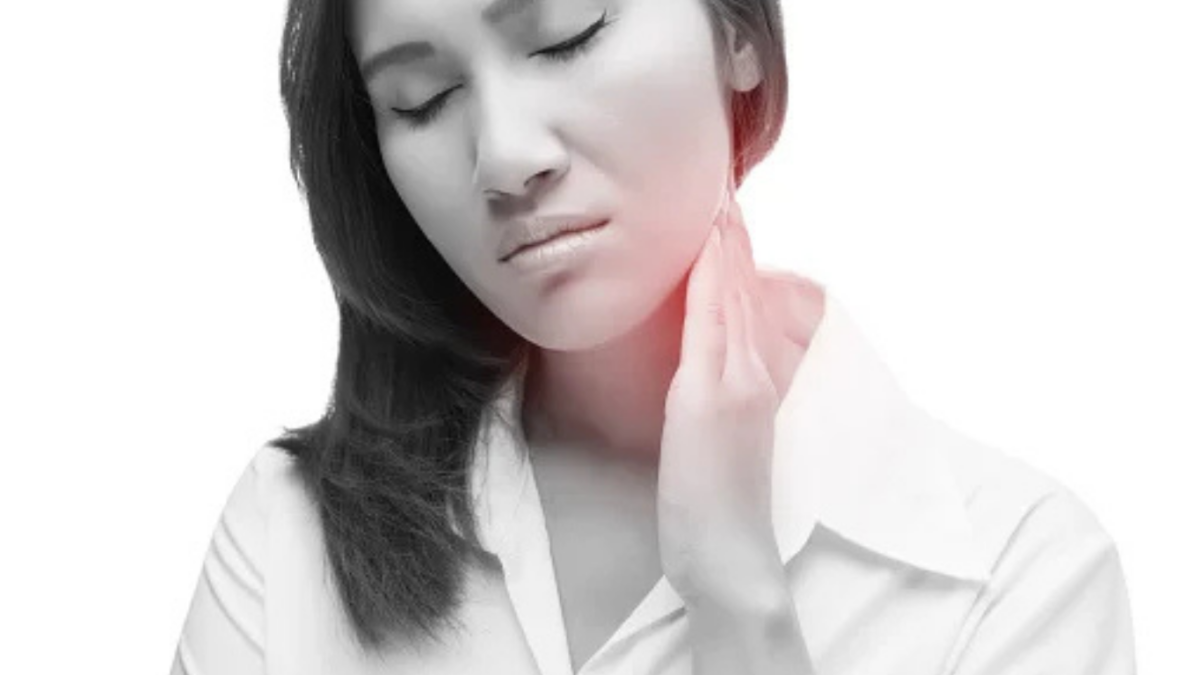
A swollen posterior auricular lymph node may feel tender, movable, and bean-like. Associated symptoms often include those of the triggering infection, such as ear pain, scalp tenderness, or a sore throat.
Most instances are benign and self-limiting. However, consult a doctor if the node grows larger than 1-2 cm, persists beyond two to four weeks, or appears with concerning signs. Diagnosis may involve a physical exam, blood tests, imaging, or, rarely, a biopsy to rule out underlying causes.
Treatment and Management Approaches
Treatment focuses on addressing the root cause rather than the nodes themselves. For infection-related swelling, this might include antibiotics for bacterial issues, supportive care for viral illnesses, or improved oral hygiene for dental problems.
Home measures like warm compresses, rest, and hydration can provide comfort. In rare cases of abscess or persistent issues, medical intervention such as drainage may be needed. Lymphatic drainage massage techniques exist but should only be performed by trained professionals when appropriate.
Posterior Auricular Lymph Nodes in Broader Health Context
These nodes remind us of the lymphatic system’s elegance. Often overshadowed by more visible immune components, the posterior auricular lymph nodes exemplify how the body deploys specialised defences throughout the head and neck.
Maintaining overall health through good hygiene, prompt treatment of infections, and a balanced lifestyle supports the lymphatic system. Awareness of changes in these nodes empowers individuals to seek timely care without unnecessary alarm.

Quick Facts
| Detail | Information |
| Full Name | Posterior auricular lymph nodes (mastoid/retroauricular lymph nodes) |
| Location | Behind the ear, on the mastoid process |
| Primary Function | Filter lymph from scalp, ear, and adjacent areas; immune response |
| Typical Size | Small (pea-sized when normal) |
| Common Associations | Swelling with head/neck infections |
| Clinical Significance | Indicator of local or systemic immune activity |
Conclusion
The posterior auricular lymph nodes highlight the body’s remarkable capacity for silent vigilance. Their role in everyday immunity and as early warning signals underscores the interconnectedness of our systems.
By paying attention to our bodies and seeking professional advice when needed, we honour these natural defences. Modern medicine continues to deepen our understanding of lymphatic function, improving care for related conditions.
In a world full of health information, knowledge about structures like the posterior auricular lymph nodes fosters informed confidence rather than fear.