
Nigiri vs Sashimi: Understanding the Key Differences in Japanese Cuisine

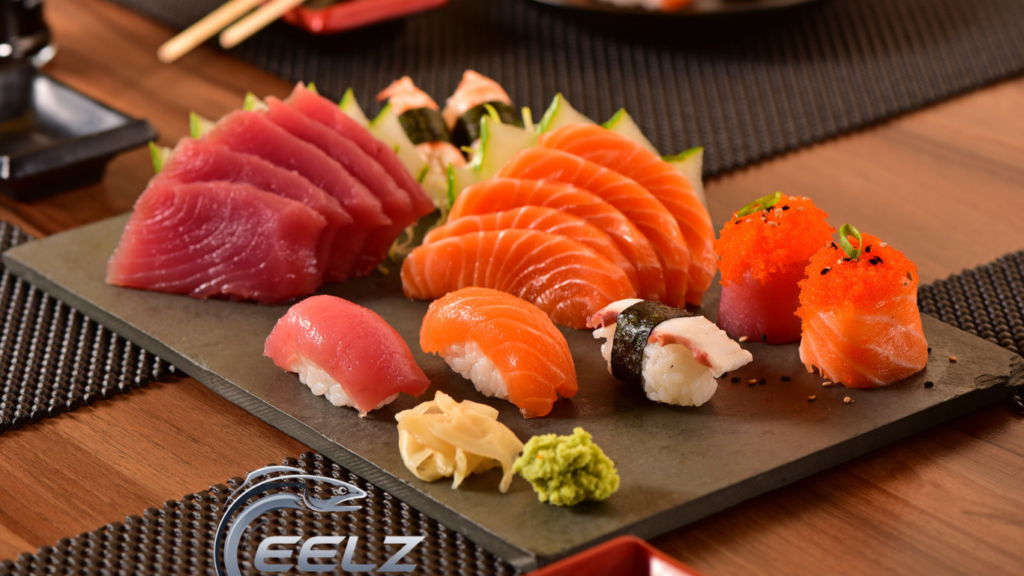
Japanese cuisine has long captivated diners around the world with its emphasis on freshness, precision and elegant simplicity. Among its most recognisable offerings are nigiri and sashimi, two preparations that frequently appear side by side on restaurant menus yet remain widely misunderstood. Many people use the terms interchangeably or assume both simply mean “raw fish,” but the distinction between nigiri and sashimi runs deeper than appearance alone.
At the heart of the nigiri versus sashimi comparison lies a fundamental difference in composition and intent. One pairs carefully prepared seafood with seasoned rice to create a complete, balanced bite; the other celebrates the pure flavour and texture of the fish itself. Understanding this contrast enhances not only ordering confidence but also appreciation for the skill and history behind each dish. Whether you are new to Japanese food or a seasoned enthusiast, exploring nigiri versus sashimi reveals much about the evolution of a cuisine that values seasonality, technique and restraint.
Origins and Historical Background
The practice of eating raw fish in Japan stretches back centuries and predates the form of sushi most familiar today. Records and culinary traditions suggest that thinly sliced raw seafood, served with simple seasonings such as salt or vinegar, was enjoyed by aristocrats and later by broader society. The term sashimi, often translated as “pierced body” or “cut body,” is linked to the Muromachi period (roughly 14th to 16th centuries). One theory holds that the name referred to the practice of attaching a fish’s fin or tail to identify the species after filleting; another suggests it avoided the more violent-sounding word for cutting associated with samurai culture.
Sashimi developed as a refined preparation that highlighted the natural qualities of the fish. By the Edo period (1603–1868), improved fishing techniques, coastal transport and basic cooling methods made fresh seafood more accessible in cities such as Edo (modern Tokyo). It became a delicacy enjoyed by ordinary people as well as the elite, often served early in a meal so the clean flavours could be fully appreciated.
The style became known as Edomae sushi, referencing the seafood from Tokyo Bay. Over time, refrigeration, global trade and post-war mobility helped both sashimi and nigiri spread across Japan and eventually the world. What began as local practices evolved into international symbols of Japanese culinary artistry.
Defining the Dishes: What Sets Them Apart
Sashimi is simply sliced raw fish, seafood or, less commonly, other proteins such as certain meats, presented without rice. The focus is entirely on the quality, cut and freshness of the ingredient. Chefs use specialised single-bevel knives and precise techniques—hira-zukuri for thicker rectangular slices suited to tuna or salmon, usu-zukuri for paper-thin cuts of firmer white fish—to preserve texture and moisture. Slices are typically arranged on a plate with garnishes such as shredded daikon radish, shiso leaves or other seasonal elements that provide contrast and visual appeal.
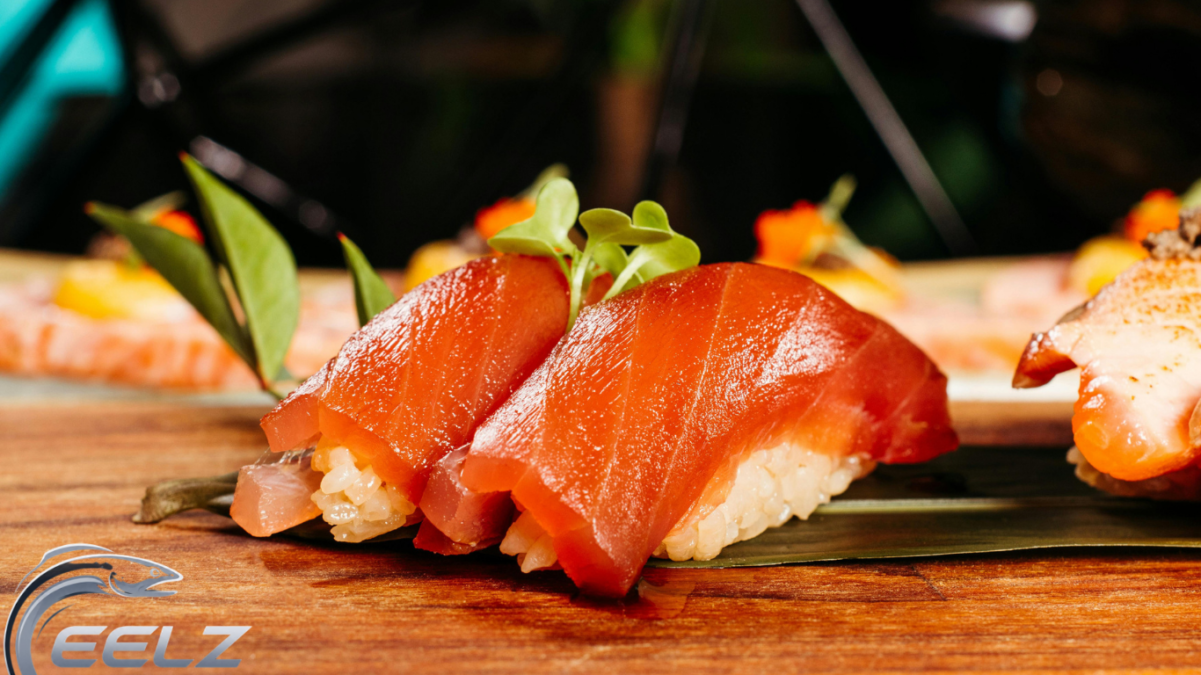
While raw fish is common, nigiri can also feature cooked items such as grilled eel (unagi), boiled shrimp, sweet omelette (tamagoyaki) or even vegetables. Each piece is designed to be eaten in one or two bites, ideally with the fingers so the rice and topping remain together. Traditional etiquette suggests turning the nigiri so the fish touches the tongue first and dipping only the topping lightly into soy sauce to avoid saturating the rice.
Key Differences at a Glance
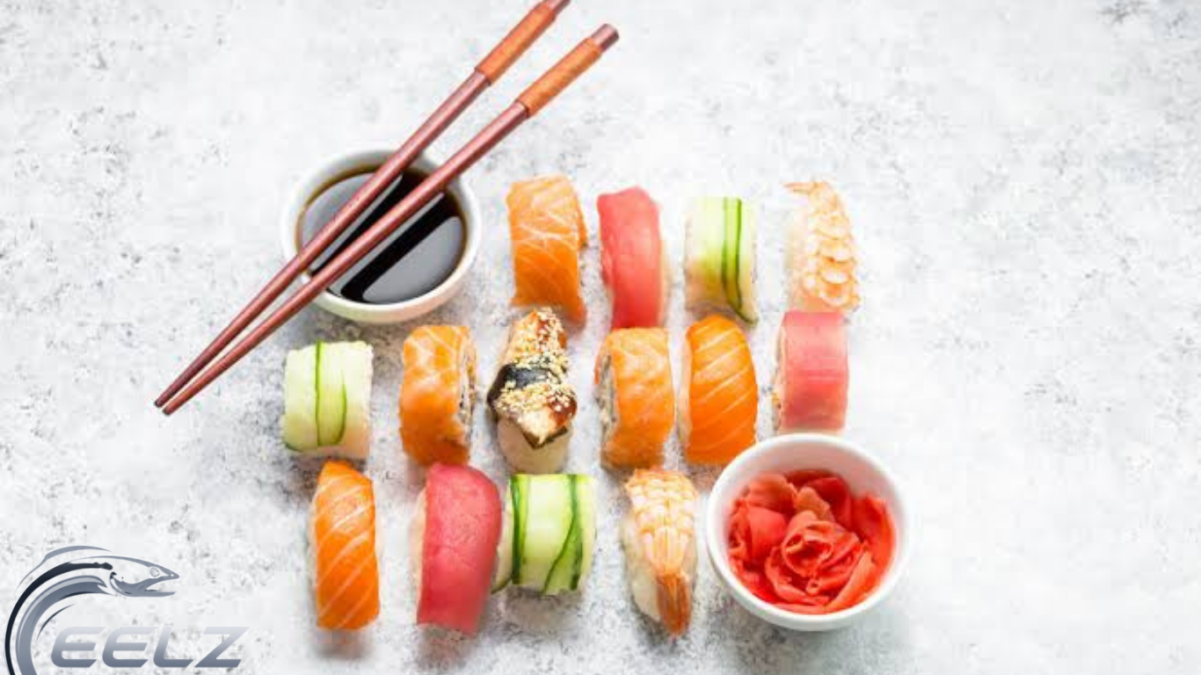
The most obvious distinction in the nigiri versus sashimi debate is the presence of rice. Nigiri is sushi because it includes seasoned rice; sashimi stands alone. This compositional difference influences almost every other aspect of the experience.
Texture and balance differ markedly. Sashimi emphasises the natural firmness, oiliness or delicacy of the fish. Nigiri creates a deliberate contrast between the slightly warm, subtly sweet-and-tangy rice and the cool topping. Portion style also varies: sashimi is typically served as multiple slices of the same fish arranged together, while each nigiri is a single, self-contained unit.
Nutritionally, sashimi is higher in protein relative to calories and free of the carbohydrates in rice, making it popular among certain dietary preferences. Nigiri offers a more substantial, balanced bite that includes complex carbohydrates alongside the protein and healthy fats of the seafood.
Preparation, Presentation and How to Enjoy Them
In a restaurant setting, sashimi often appears early in a multi-course meal or as a shared platter. Nigiri may be ordered as individual pieces or as part of a set, allowing diners to sample a progression of flavours. Skilled chefs adjust wasabi quantity, rice temperature and topping thickness according to the specific fish and the season.
Cultural Place and Modern Appeal
Sashimi and nigiri occupy complementary roles in Japanese dining culture. Sashimi represents purity and the celebration of ingredients at their peak. Nigiri embodies the ingenuity of urban Edo street food transformed into high art. Together they illustrate the Japanese culinary principle of respecting seasonality and the inherent qualities of each component.
Yet the core distinctions remain. Contemporary chefs continue to innovate—offering vegetarian nigiri, creative garnishes or carefully sourced sustainable seafood—while honouring traditional techniques.
Quick Comparison
| Detail | Nigiri | Sashimi |
| Core components | Vinegared rice topped with seafood or other ingredients | Thinly sliced raw fish or seafood only |
| Classification | A form of sushi | Stand-alone dish (not sushi) |
| Typical serving style | Individual one- or two-bite pieces | Multiple slices arranged together |
| Common accompaniments | Wasabi between rice and topping, soy sauce | Wasabi, soy sauce, daikon, shiso |
| Historical roots | Early 19th-century Edo street food | Older practice, term linked to Muromachi period |
| Texture focus | Contrast of rice and topping | Pure fish texture and flavour |
Lasting Significance
The enduring appeal of both nigiri and sashimi lies in their honesty. They require no elaborate sauces or heavy seasoning to impress; success depends on the quality of the ingredients and the skill of the preparer.
Conclusion
Nigiri demonstrates how a practical solution to urban hunger evolved into an internationally recognised art form. Sashimi shows how an ancient appreciation for fresh seafood can remain relevant across centuries. Together they form a foundational pair in Japanese gastronomy, influencing everything from high-end omakase counters to casual neighbourhood restaurants.