The Enduring Appeal of Salmon Sushi Bake: A Comforting Kitchen Favourite

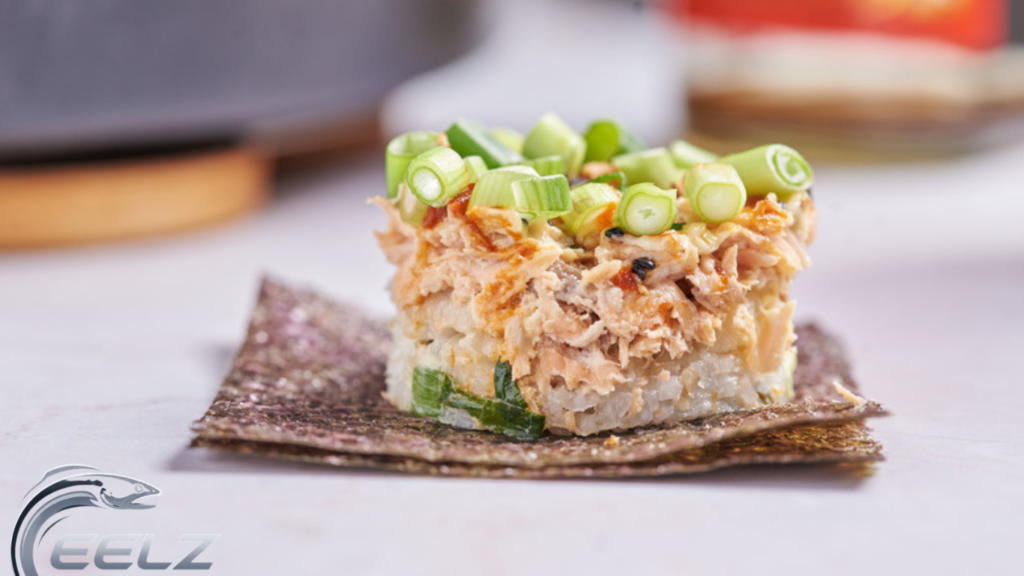
Salmon sushi bake has quietly become one of the most talked-about home-cooked dishes of recent years. Part casserole, part deconstructed sushi roll, it delivers the familiar combination of seasoned rice, creamy seafood, spicy mayo and nori in a warm, shareable form that requires no specialised rolling skills. Its popularity continues because it satisfies a clear everyday need: the desire for sushi flavours without the time, mess or precision that traditional rolls demand.
Readers keep returning to the dish for the same reasons they return to any reliable comfort food. It is adaptable, relatively quick once the rice is ready, and forgiving of imperfect technique. Whether scooped onto nori sheets for a casual hand-roll experience or eaten straight from the dish with a fork, salmon sushi bake sits comfortably between weeknight dinner and informal gathering centrepiece. The following exploration traces its background, rise and place in contemporary home cooking.
Early Life and Background
Salmon sushi bake did not emerge from classical Japanese cuisine. Traditional sushi emphasises fresh fish, carefully prepared vinegar-seasoned rice and precise assembly. The bake belongs instead to a broader family of “pan sushi” or casserole-style adaptations that developed in Hawaii and later gained traction in the Philippines and beyond.
In Hawaii the concept of assembling sushi ingredients in a baking dish or pan for potlucks and casual meals had already appeared under names such as pan sushi or poke pan sushi. Recipes combining short-grain rice, seafood mixtures and seasonings were shared at gatherings long before social media accelerated their spread. During the early COVID-19 lockdowns the idea found fertile ground in the Philippines, where home cooks sought comforting, shareable dishes that could be prepared with accessible ingredients. Cream cheese, Kewpie mayonnaise, imitation crab and sriracha—items already common in many pantries—proved ideal partners for flaked salmon or crab.
The dish therefore began life as a practical response rather than a deliberate culinary invention. Its “childhood” was marked by improvisation: leftover rice, tinned or fresh salmon, and whatever toppings were to hand. Education in the formal sense was minimal; the technique spread through word of mouth, recipe blogs and, later, short videos. Early interest centred on convenience and flavour rather than authenticity. By the time the first widely shared recipes appeared, the basic formula was already clear: a pressed layer of seasoned sushi rice, a creamy seafood topping, a short bake, and finishing sauces and garnishes.
Career and Rise to Fame
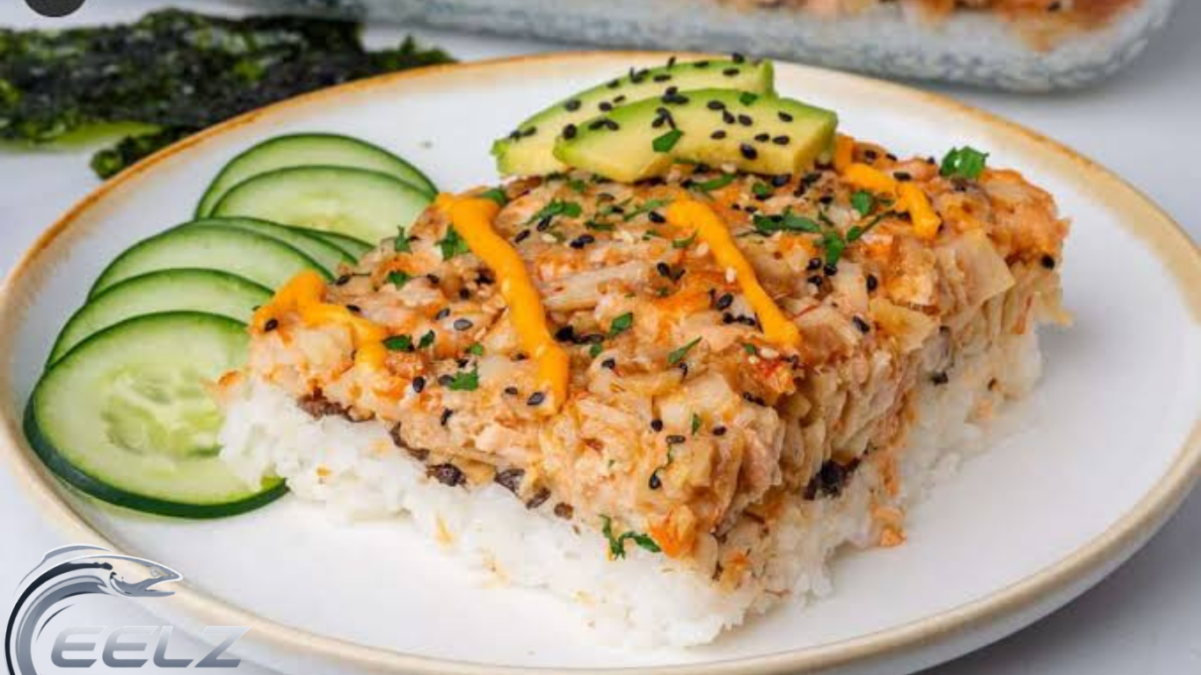
The breakthrough arrived with the rise of short-form video platforms. Videos showing the assembly of salmon sushi bake—rice pressed into a dish, nori crumbled or layered, a mixture of flaked salmon, cream cheese, mayonnaise and sriracha spread on top, then baked until bubbling—proved highly shareable. The visual satisfaction of scooping the finished bake onto a sheet of nori, adding avocado or cucumber, and eating it like a hand roll drove millions of views.
Major milestones included the circulation of recipes attributed to home cooks and food bloggers who refined the proportions and techniques. Variations proliferated: some used only salmon, others combined salmon with imitation crab; some layered whole nori sheets, others sprinkled furikake; cooking times and temperatures settled into a practical range of roughly 10–25 minutes at 180–200 °C depending on the recipe. Recognition came not through formal awards but through sustained online engagement and the speed with which the dish entered regular home-cooking repertoires.
Collaborations were informal yet widespread. Food writers, nutrition-focused bloggers and lifestyle creators each adapted the concept to their audiences—emphasising protein content, ease for families, or suitability for meal prep. Public reputation solidified around accessibility. Reviewers repeatedly noted that the dish captured the sweet-savoury-spicy balance of a salmon or California roll while removing the technical barrier of rolling. Its reputation is that of a reliable crowd-pleaser rather than a restaurant-level refinement.
Personal Challenges or Turning Points
Like many viral foods, salmon sushi bake has faced questions of authenticity. Critics point out that it is not a traditional Japanese preparation and that the inclusion of cream cheese and heavy mayonnaise places it firmly in the realm of fusion or diaspora cooking. Some traditionalists view the baked format as a departure from the ideals of freshness and restraint associated with sushi. These debates, however, have done little to slow its adoption among home cooks seeking practical results.
A more practical challenge has been consistency. Salmon can dry out if overcooked, rice can become gummy if under-seasoned or poorly pressed, and the creamy topping can separate if the ratios of mayonnaise, cream cheese and sriracha are unbalanced. Successful versions rely on careful flaking of the fish, thorough mixing of the seafood layer, and restraint with the final sauces. Turning points for many cooks have involved learning to use leftover cooked salmon or rice, or discovering that a brief broil at the end creates an appealing golden top without drying the fish.
Personal growth in the kitchen sense has often meant simplification. Early elaborate versions gave way to streamlined recipes that prioritise pantry staples and minimal active time. The dish’s resilience lies in its flexibility: it tolerates substitutions and still delivers recognisable sushi flavours.
Personal Life
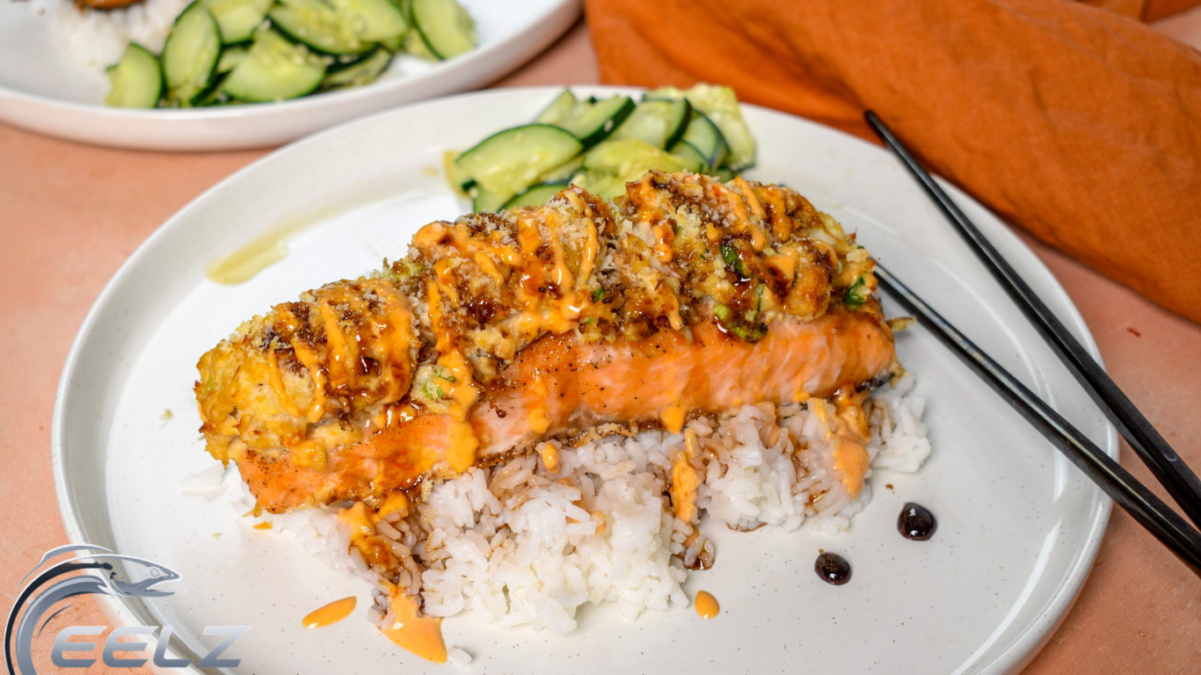
Publicly shared information about how people incorporate salmon sushi bake into daily routines is abundant and largely consistent. It is frequently prepared for family dinners, potlucks and casual entertaining. Many serve it with small sheets of nori so diners can assemble their own mini rolls at the table. Common accompaniments include sliced avocado, cucumber, green onions, extra spicy mayo, eel sauce or unagi sauce, and furikake. Some households treat it as a make-ahead dish, preparing the rice and seafood mixture earlier in the day and baking just before serving.
No single “relationship” or “family” narrative attaches to the dish itself, of course. What is confirmed across numerous accounts is its role as a shared, interactive meal that encourages participation. Children and adults alike often enjoy the scooping and wrapping process. Public statements from recipe creators emphasise ease, flavour and the relief of skipping the rolling step. Speculation about private preferences or unconfirmed origin stories is avoided; the available record rests on the recipes and experiences people have chosen to publish.
Later Career and Current Activities
In recent years salmon sushi bake has settled into a steady presence rather than a fleeting trend. Recipe sites continue to publish refined versions, some focusing on higher protein content, others on air-fryer adaptations or lower-fat substitutions. Public appearances take the form of demonstration videos, blog features and supermarket recipe cards. Charity or advocacy connections are limited, though the dish occasionally appears in discussions of accessible home cooking and the value of using affordable seafood.
Business ventures related to the concept remain modest: pre-packaged furikake, ready-seasoned rice and specialised mayo brands benefit indirectly from the trend, but the dish itself has not spawned large commercial franchises. Its primary activity continues to be home preparation. Cooks experiment with different fish, add edamame or vegetables to the rice layer, or adjust spice levels to suit household tastes. The format has also inspired related bakes using shrimp, tuna or entirely plant-based alternatives, demonstrating ongoing creative life.
Quick Bio
| Detail | Information |
| Full Name | Salmon Sushi Bake (also known as sushi bake or baked sushi) |
| Date of Birth | Early 2010s concepts; widespread popularity from c. 2020 |
| Place of Birth | Hawaii / Philippines (pan-sushi and lockdown adaptations) |
| Nationality | Fusion / diaspora home cooking |
| Profession | Comfort-food casserole / deconstructed sushi |
| Years Active | 2010s–present (viral peak early 2020s onward) |
| Known For | Layered seasoned rice, creamy salmon mixture, nori service |
| Estimated Net Worth | Not applicable (home-cooking phenomenon) |
Legacy and Lasting Impact
Salmon sushi bake remains important because it lowered the barrier to enjoying sushi-inspired flavours at home. Its influence can be seen in the broader acceptance of deconstructed and casserole-style Asian fusion dishes that prioritise convenience without abandoning core tastes. Public perception is largely positive among those who cook regularly: the dish is viewed as practical, tasty and sociable. Lessons drawn from its trajectory include the value of adapting techniques to available tools and ingredients, and the power of visual, shareable formats in spreading practical kitchen ideas.
The format has also encouraged cooks to think of sushi components as flexible building blocks rather than fixed assemblies. In that sense its lasting impact is less about inventing something entirely new and more about democratising an existing set of flavours.
Conclusion
From informal Hawaiian potluck dishes and lockdown experiments to a fixture of home-cooking videos and recipe collections, salmon sushi bake has followed a clear path of practical invention and social-media amplification. It offers the familiar pleasures of seasoned rice, creamy seafood and spicy accents in a form that fits ordinary kitchens and ordinary schedules. Its continued presence reflects a simple truth: people value dishes that deliver reliable flavour with manageable effort.