Exploring the Different Types of Wine: A Guide to Varieties, Flavours, and Pairings


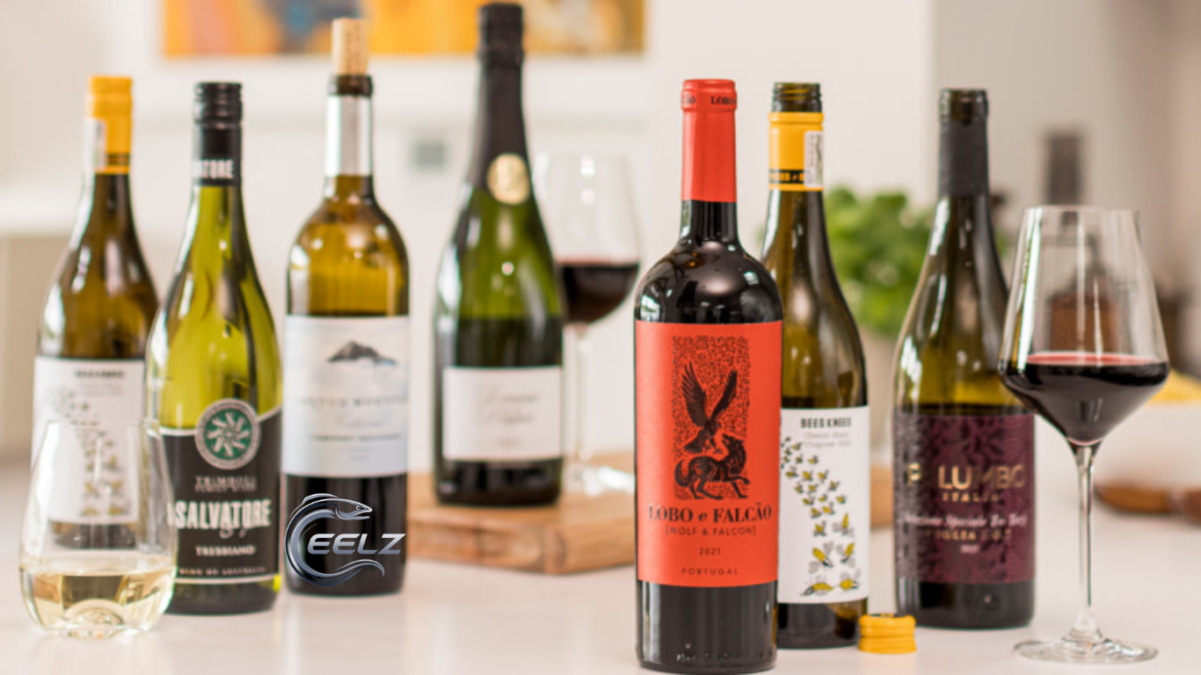
Wine has captivated palates for millennia, offering an incredible diversity that reflects geography, climate, and tradition. Whether you are a casual sipper or an aspiring connoisseur, understanding the types of wine opens up a world of flavours, textures, and stories. From bold reds to crisp whites and everything in between, each category brings its own character to the table.
In the UK, wine appreciation continues to grow, with supermarket shelves and independent merchants stocking everything from classic French varieties to exciting English wines. This guide explores the main types of wine, their key characteristics, popular grape varieties, and food pairings, helping you navigate the fascinating landscape with confidence.
The Main Categories of Wine
Wines are broadly classified by colour, sweetness, and production method. The primary divisions are red, white, rosé, sparkling, fortified, and dessert wines. These categories help simplify the vast array of options available.
Colour comes from grape skins: red and rosé wines use dark-skinned grapes with varying contact time, while white wines typically come from green or yellow grapes (or red grapes pressed quickly to avoid colour extraction).
Red Wines: Bold and Structured
Red wines are among the most popular types of wine, known for their depth, tannins, and ageing potential. They range from light and elegant to full-bodied and powerful.
Cabernet Sauvignon is often called the king of reds. It produces structured wines with blackcurrant, cedar, and herbal notes. Bordeaux blends frequently feature it alongside Merlot. Cabernet Sauvignon thrives in warmer climates but shines in regions like Bordeaux, California, and Australia.
Merlot offers a softer, more approachable style with plum, chocolate, and gentle tannins. It is excellent for beginners and pairs beautifully with roasted meats or pasta dishes.
Pinot Noir, the elegant red of Burgundy, delivers red cherry, earth, and mushroom aromas. It is lighter in body but complex, suiting salmon, duck, or mushroom risotto. Pinot Noir also plays a key role in sparkling wine production.
Other notables include Syrah (or Shiraz), with its peppery, dark fruit profile from the Rhône or Australia, and Malbec, known for its juicy, violet-scented wines from Argentina.
White Wines: Crisp and Refreshing
White wines provide freshness and versatility, making them ideal for everyday drinking and lighter meals.
Chardonnay is perhaps the most versatile white grape. It can be unoaked and zesty with apple and citrus notes or rich and buttery with oak ageing and malolactic fermentation. It originates from Burgundy but excels worldwide, including in English sparkling wines.
Sauvignon Blanc bursts with green apple, gooseberry, and grassy aromas. New Zealand versions are particularly vibrant, while French Sancerre and Pouilly-Fumé offer mineral elegance. It pairs perfectly with seafood, salads, and goat’s cheese.
Riesling spans a spectrum from bone-dry to lusciously sweet. Its high acidity and aromatic profile (lime, peach, petrol with age) make it one of the most food-friendly wines, especially with spicy Asian cuisine.
Pinot Grigio (or Gris) delivers light, pear and almond notes, while Vermentino and Verdejo bring Mediterranean herbs and citrus.
Rosé Wines: The Perfect All-Rounder
Rosé sits between red and white, offering refreshing fruitiness with lighter tannins. Provence in France sets the standard with pale, dry styles featuring strawberry, watermelon, and floral hints.
Rosé has surged in popularity in the UK for summer sipping. It pairs wonderfully with salads, grilled fish, or picnic fare. Some rosés, like those from Bandol, show more structure and can age gracefully.
Sparkling Wines: Celebration in a Glass
Sparkling wines bring effervescence and joy to any occasion. Production methods vary, but all involve carbon dioxide trapped in the bottle or tank.
Champagne from France’s Champagne region remains the benchmark, made primarily from Chardonnay, Pinot Noir, and Pinot Meunier using the traditional method. It offers fine bubbles, brioche, and citrus notes.
Prosecco from Italy’s Veneto region uses the Charmat method for fruitier, lighter styles perfect for aperitifs. Cava from Spain and English sparkling wines (often using Champagne varieties) provide excellent value and quality alternatives.
English sparkling wine has gained international acclaim, thanks to the similar chalky soils in Kent and Sussex to those in Champagne.
Fortified and Dessert Wines: Sweet Endings
Fortified wines have spirits added, boosting alcohol and preserving sweetness. Port from Portugal (ruby, tawny, or vintage) delivers rich dark fruit and nutty complexity. Sherry from Spain ranges from bone-dry fino to sweet Pedro Ximénez.
Dessert wines achieve sweetness through late harvesting, noble rot (botrytis), or freezing (ice wine). Examples include Sauternes, Tokaji, and Moscato. These pair superbly with blue cheese, fruit tarts, or chocolate.
Understanding Wine Styles Beyond Colour
Beyond basic colour, consider body (light to full), sweetness (dry to sweet), and acidity/tannins. Climate influences style: cooler regions produce higher-acidity, lighter wines, while warmer areas yield riper, fuller-bodied examples.
Types of wine also reflect winemaking choices—oak ageing adds vanilla and spice, while stainless steel preserves fresh fruit character.
How to Choose and Enjoy Different Types of Wine
Start with what you like to eat. Hearty reds suit grilled meats; crisp whites complement seafood. Temperature matters: serve reds slightly cool (around 16–18°C) and whites chilled but not icy.
In the UK, explore local English wines—Bacchus for aromatic whites or traditional-method sparkling. Wine tastings, merchants, and apps can help expand your repertoire.

Quick Facts About Wine
| Detail | Information |
| Origins | Traced back to around 6000 BCE in Georgia |
| Major Grape Varieties | Over 1,000, but top 10-20 dominate global production |
| Primary Categories | Red, white, rosé, sparkling, fortified, dessert |
| UK favourites | Pinot Grigio, Sauvignon Blanc, Merlot, sparkling |
| Serving Tip | Match intensity of wine to food |
| Ageing Potential | Varies widely; most wines best drunk young |
Conclusion
Wine is more than a beverage—it embodies history, craftsmanship, and conviviality. From ancient Georgian amphorae to modern English vineyards, types of wine continue to evolve while honouring tradition. They bring people together, enhance meals, and offer endless discovery.