The Timeless Allure of Marsala Wine: Sicily’s Fortified Treasure


Marsala wine has long held a special place in the world of fortified wines, offering a distinctive blend of history, versatility, and Sicilian character. Produced in the sun-drenched region surrounding the coastal town of Marsala in western Sicily, this amber-hued wine combines native grape varieties with traditional fortification and ageing techniques. Whether enjoyed as an aperitif, a digestif, or a key ingredient in classic Italian dishes, Marsala wine continues to captivate enthusiasts and home cooks alike.
Its story intertwines with centuries of trade, innovation, and cultural exchange, from ancient Sicilian winemaking traditions to the entrepreneurial influence of British merchants in the 18th century. Today, Marsala wine stands as a protected designation of origin (PDO) product, recognised for its quality and unique terroir. This article explores the rich heritage, production methods, and enduring appeal of Marsala wine, revealing why it remains a staple in both kitchens and cellars worldwide.
Origins and Early History of Marsala Wine
The roots of Marsala wine trace back to the port town of Marsala in Sicily, a region shaped by Phoenician, Arab, and later European influences. Local wines were traditionally produced using the in perpetuum method—a blending system akin to the Spanish solera process—yielding robust, long-lasting wines suitable for the island’s warm climate.
The modern chapter of Marsala wine began in 1773 when English merchant John Woodhouse landed in the port and sampled the local fortified styles. Recognising their potential for export, he fortified the wine with brandy to ensure it survived long sea voyages, much like Port and Sherry. This innovation proved highly successful in Britain, prompting Woodhouse to establish production facilities in 1796. Other English entrepreneurs followed, solidifying Marsala’s international reputation.
Italian involvement grew in the 19th century with the arrival of Vincenzo Florio, who founded the renowned Cantine Florio in 1833. Florio and other producers refined techniques, including the addition of cooked grape must (mosto cotto) for colour and sweetness, elevating Marsala wine to a premium fortified style. By the late 1800s, it had become a favourite among European elites and even featured in naval traditions, earning it the occasional nickname of a “victory wine.”
Production and Characteristics of Marsala Wine
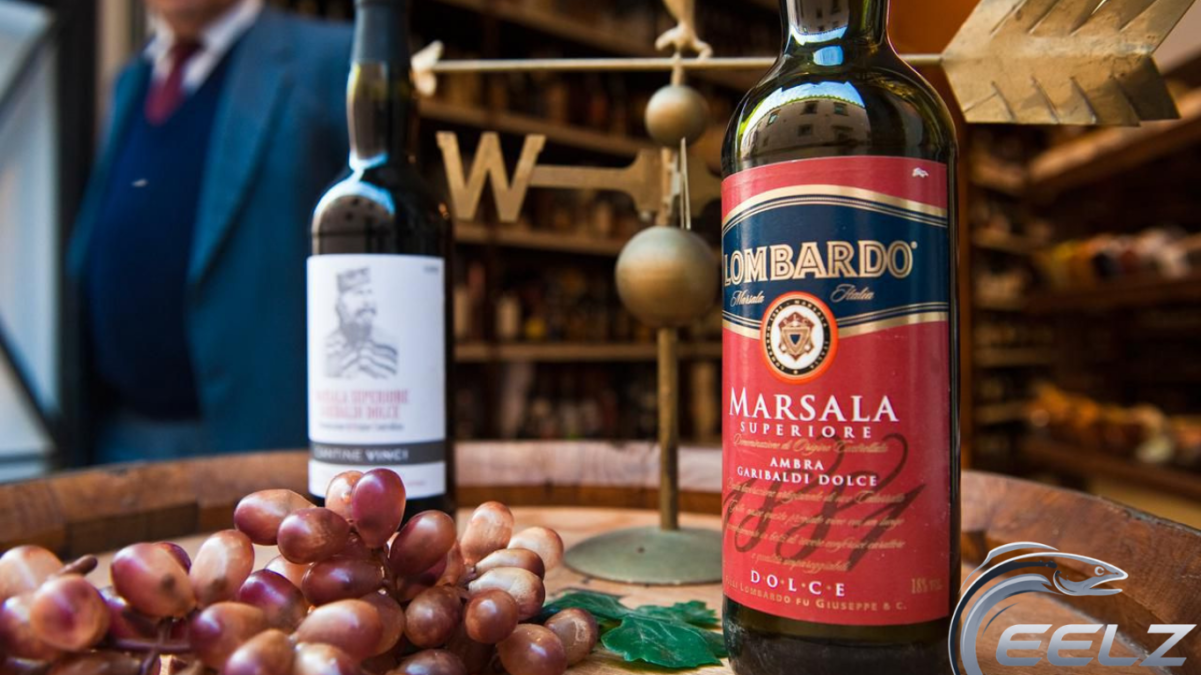
Marsala wine is made primarily from white grape varieties such as Grillo, Catarratto, Inzolia (Ansonica), and Damaschino, grown in the calcareous soils around Marsala. The process involves fermenting the base wine, fortifying it with neutral grape spirit to reach 15–20% ABV, and often sweetening it with cooked must or mistela. Ageing occurs in oak barrels, developing complex oxidative notes of dried fruits, nuts, caramel, and a subtle saline minerality influenced by the nearby sea.
The wine is classified by colour, sweetness, and ageing:
- Colour: Oro (gold), Ambra (amber), and Rubino (ruby, made with red grapes like Nerello Mascalese).
- Sweetness: Secco (dry, up to 40g/l residual sugar), Semisecco (semi-dry), and Dolce (sweet, over 100g/l).
- Ageing: Fine (minimum 1 year), Superiore (2 years), Superiore Riserva (4 years), Vergine/Soleras (5 years, no added sweetener), and Vergine Stravecchio/Riserva (10 years).
This structured classification ensures consistency while allowing for a range of expressions, from young, versatile styles ideal for cooking to aged, contemplative bottlings.
Challenges and Revival in the Marsala Wine Industry
Like many traditional wines, Marsala faced periods of decline in the 20th century. Mass production and lower-quality versions marketed heavily for cooking led to a perception problem, overshadowing finer expressions. DOC status in 1969 helped protect authenticity, but global tastes shifted towards lighter wines, and competition from other fortified styles intensified.
Producers responded with renewed focus on quality. Historic houses like Florio and Pellegrino emphasised premium Grillo-based wines, traditional methods, and single-varietal or vintage expressions. A growing interest in classic cocktails, heritage cuisine, and authentic Italian products has spurred a revival. Today, connoisseurs seek out Riserva and Vergine styles for their depth, while sustainable viticulture gains traction in the region.
Culinary Uses and Modern Appreciation of Marsala Wine
Marsala wine’s most famous role is in the kitchen. Dry Marsala shines in savoury dishes like Chicken Marsala, veal scaloppine, or risotto, where its nutty acidity cuts through richness. Sweet varieties enhance desserts such as zabaglione, tiramisu, or fruit tarts, and pair beautifully with chocolate, nuts, and aged cheeses.
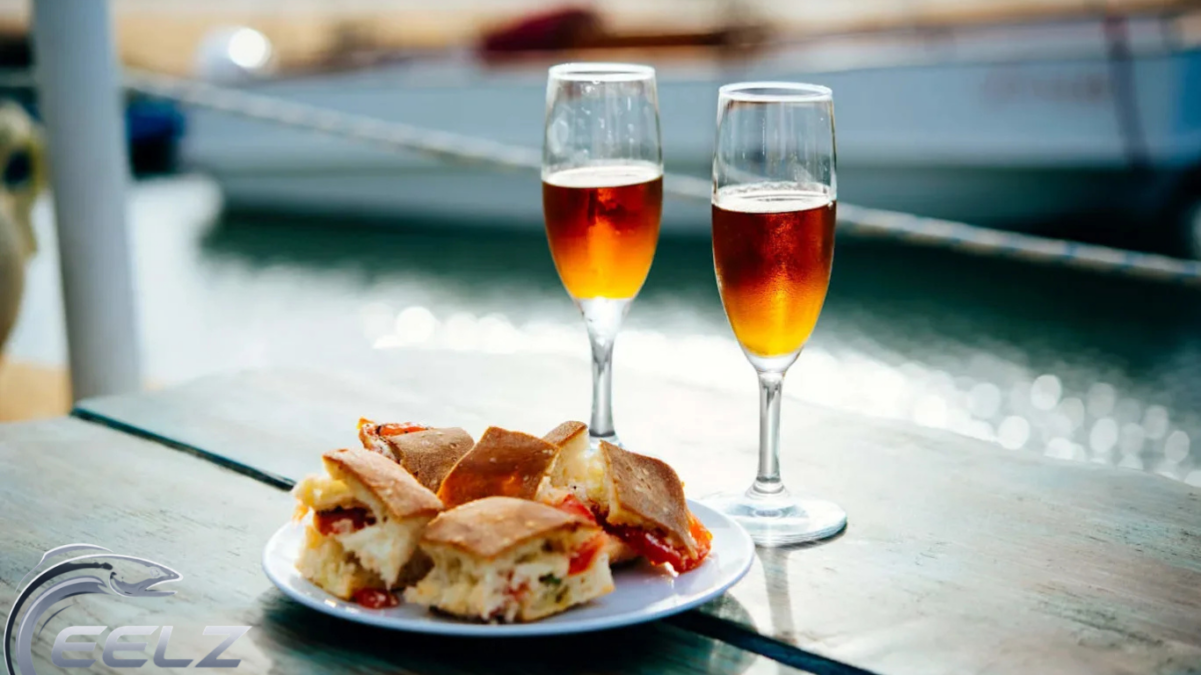
Beyond cooking, Marsala wine serves as an elegant aperitif or digestif. Lighter Secco styles complement antipasti, while sweeter Ambra or Dolce versions match pastries or blue cheeses. Its oxidative character also makes it a fascinating base for cocktails, echoing the versatility of Sherry or Madeira.
Quick Bio
| Detail | Information |
| Full Name | Marsala Wine (Vino Marsala) |
| Place of Origin | Marsala, Sicily, Italy |
| Nationality/Region | Italian (Sicilian) |
| Category | Fortified Wine (DOC/PDO) |
| Years Active | Commercial production since 1773 |
| Known For | Fortified Sicilian wine, cooking staple, complex aged styles |
| Grape Varieties | Grillo, Catarratto, Inzolia, others |
| Alcohol Content | Typically 15–20% ABV |
Legacy and Lasting Impact of Marsala Wine
Marsala wine represents more than a beverage; it embodies Sicily’s resilient winemaking heritage and its contributions to global trade. As one of Italy’s earliest DOC wines, it helped pave the way for protected regional designations across Europe. Its influence extends to culinary traditions worldwide, where it remains indispensable in both professional kitchens and home pantries.
In an era of rediscovering fortified and oxidative wines, Marsala offers a bridge between history and contemporary appreciation. Producers’ commitment to quality has restored its prestige, reminding enthusiasts that great wines often emerge from specific places and time-honoured methods.
Conclusion
From its humble Sicilian beginnings to its transformation into a globally recognised fortified wine, Marsala wine exemplifies ingenuity and tradition in perfect harmony. Its balanced profile, versatility in the kitchen, and potential for elegant sipping ensure it continues to reward both newcomers and seasoned aficionados.