Dolmadakia: Greece’s Timeless Stuffed Grape Leaves and Their Enduring Charm

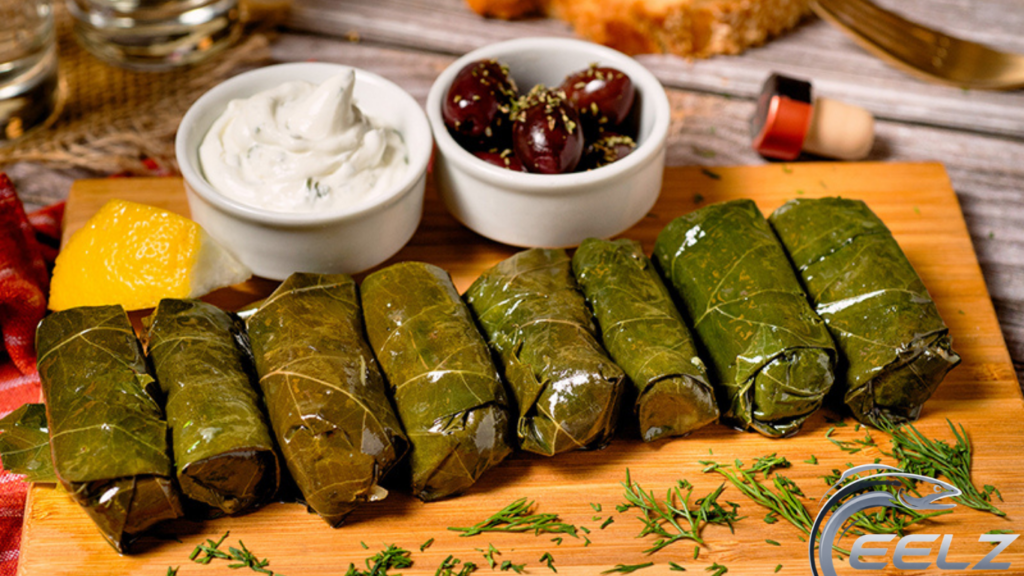
Few dishes capture the essence of Greek hospitality quite like dolmadakia. These delicate parcels of tender vine leaves wrapped around a fragrant filling of rice, herbs and olive oil have graced tables across the Mediterranean for generations. Whether served as a meze at a lively taverna or prepared carefully at home for a family gathering, dolmadakia continue to draw people in with their bright lemony notes, subtle herbal perfume and satisfying texture.
Readers remain interested in dolmadakia because the dish is more than food. It is a living link to history, migration, religious tradition and everyday pleasure. In an age of fast cooking and global flavours, the slow, thoughtful process of rolling each leaf still feels special. The name itself—dolmadakia, the diminutive form of dolmades—hints at their small, neat size and the care that goes into making them.
Early Life and Background
The story of dolmadakia begins long before the modern Greek kitchen. The practice of wrapping food in leaves reaches back to classical antiquity. Ancient Greeks prepared a dish known as thria, often using tender fig leaves filled with cheese, honey or simple mixtures of meat and herbs. References appear in classical literature, including mentions linked to Aristophanes and later commentators. One popular legend places the goddess Hera on the Parthenon pediment, glancing around guiltily while tasting hidden parcels from a pot—an image that has delighted storytellers for centuries.
Rice, however, was not part of the ancient Greek pantry. The filling that defines today’s dolmadakia developed later. The Turkish word dolma, meaning “something stuffed,” comes from the verb dolmak (“to fill”). Food historians generally link the refined court versions of stuffed vegetables and leaves to the Ottoman Empire from the fifteenth century onwards, when palace kitchens in Istanbul elevated the technique. Stuffed vine leaves spread widely across the empire’s territories.
In Greek communities, especially those of Asia Minor and Pontus, a meatless version flourished. Called dolmadakia yalantzi (or gialantzi), from the Turkish yalancı meaning “fake” or “imitation,” these parcels contain no meat—only rice, onions, dill, parsley, mint, spring onions and generous olive oil. The absence of meat made them ideal for Orthodox Christian fasting periods, which can stretch across many days of the year. After the population exchanges of the early twentieth century, refugees brought their recipes to mainland Greece, helping the dish take deeper root in everyday cooking.
Career and Rise to Fame
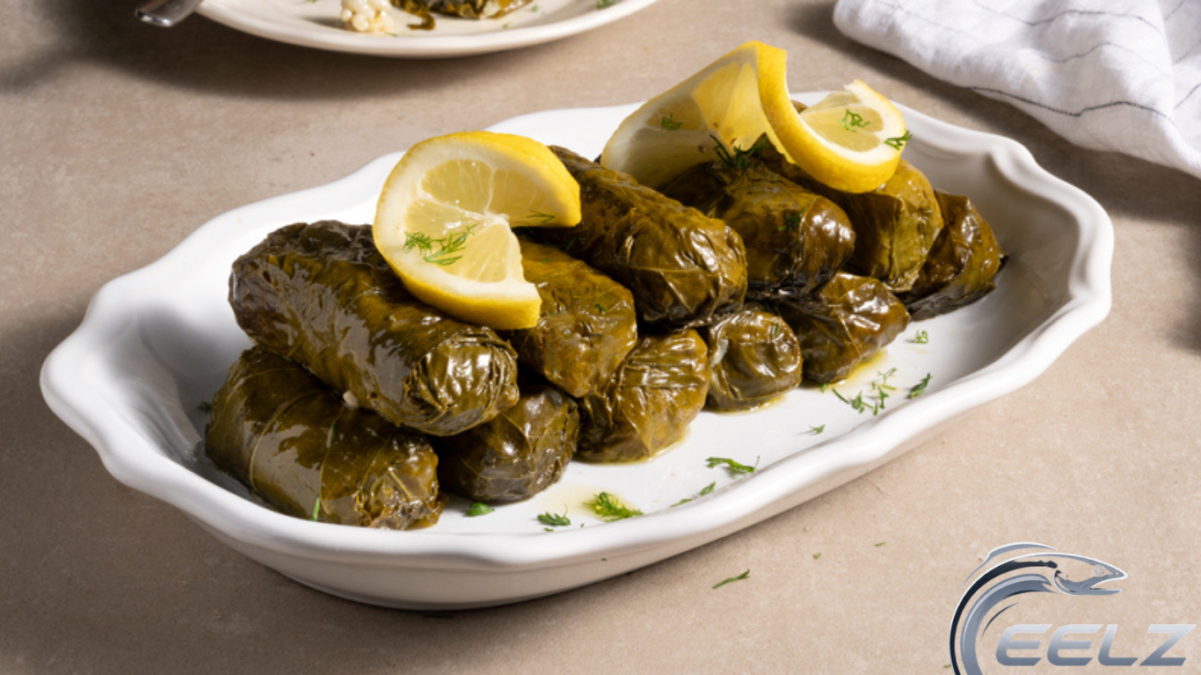
Dolmadakia rose to prominence as both everyday fare and celebratory food. In Greek homes and tavernas they appear as a classic meze, often the first offering on a crowded table of small plates. The vegan yalantzi style is typically served at room temperature or chilled, drizzled with extra olive oil and accompanied by lemon wedges or a simple yogurt sauce. The meat version, larger and usually filled with minced lamb or beef mixed with rice and herbs, is more often served warm under a silky avgolemono (egg-and-lemon) sauce.
Regional variations add further character. In Crete, cooks sometimes incorporate wild fennel, grated aubergine, courgette or artichoke for a rustic village style. Pine nuts and raisins appear in more elaborate Asia Minor-influenced recipes. Across the wider Eastern Mediterranean the same idea travels under different names—waraq enab in Arabic-speaking countries, sarma in parts of the Balkans—yet the Greek dolmadakia retain a distinctive brightness from lemon and fresh herbs.
Public reputation rests on both taste and technique. Rolling the leaves requires patience: each leaf is laid shiny-side down, a small spoonful of filling placed near the stem end, the sides folded in, and the parcel rolled tightly enough to hold yet loosely enough for the rice to expand. The finished rolls are layered in a pot, weighted with a plate, and simmered gently in olive oil, lemon juice and water until tender. The process rewards care and is often a shared family activity.
Recognition comes less through formal awards than through constant presence. Dolmadakia feature in cookbooks, restaurant menus and tourist experiences throughout Greece. They appear at name-day celebrations, Lenten tables and casual summer gatherings alike. Their reputation as a healthy, plant-forward option has only grown in recent decades as interest in Mediterranean diets has spread.
Personal Challenges or Turning Points
The dish has faced the usual tests of cultural exchange. Origin stories remain contested—some emphasise Ottoman refinement, others point to earlier Byzantine or Persian leaf-wrapping traditions. Reliable historical evidence places the sophisticated stuffed-leaf form firmly in the Ottoman period, while ancient Greek leaf dishes used different fillings and leaves. Popular legends involving Alexander the Great or the Parthenon add colour but rest more on folklore than documentation.
A practical turning point came with industrialisation and migration. Jarred vine leaves made the dish possible year-round for cooks far from vineyards. At the same time, commercial versions sometimes lacked the fresh herb intensity of home-made parcels. Many Greek cooks still prefer fresh spring leaves when available, boiling them briefly to soften before filling.
Resilience shows in the dish’s adaptability. During long fasting periods the yalantzi version sustained households with simple, nourishing ingredients. In the hands of refugees it became a portable memory of home. Today it continues to evolve—some cooks add grated tomato or extra lemon zest—while the core technique remains recognisably traditional.
Personal Life
Only publicly confirmed culinary traditions are relevant here. Dolmadakia belong to family kitchens rather than celebrity biographies. They are prepared for everyday meals and special occasions, often by mothers and grandmothers who teach the rolling method to younger generations. The meatless form suits Lenten observance; the meat form appears more freely outside fasting seasons.
No single family or individual “owns” the dish. It is shared across Greek communities at home and abroad. Public statements about dolmadakia tend to celebrate its simplicity and the pleasure of making it together rather than personal drama. Speculation about private lives has no place; the focus stays on the food itself and the communal act of preparing and sharing it.
Later Career and Current Activities
In recent years dolmadakia have found new audiences through food tourism, cookery classes and social media. Visitors to Crete, the islands and mainland Greece frequently encounter them on meze platters. Home cooks outside Greece seek out jarred leaves or grow their own vines to recreate the dish. Chefs sometimes present refined versions with modern plating, yet the classic olive-oil-and-lemon treatment remains the most popular.
Charity and community events occasionally feature large batches of dolmadakia as a shared, accessible contribution. Advocacy for the dish is quiet and practical: preserving traditional skills, supporting small producers of quality olive oil and vine leaves, and encouraging the use of fresh herbs. Business ventures appear mainly in the form of ready-made products for export markets and specialist delicatessens.
The dish continues to appear in cookbooks, television programmes and online recipe collections, keeping the technique alive for new generations.
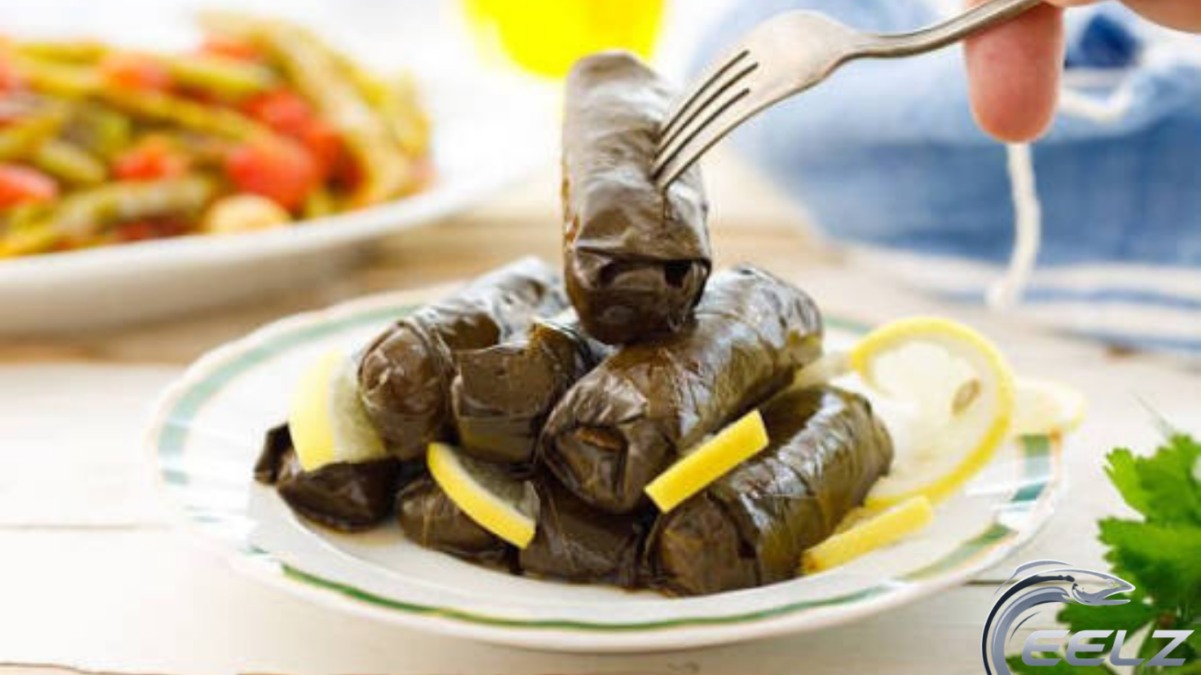
Quick Bio
| Detail | Information |
| Full Name | Dolmadakia (also dolmades, dolmathakia) |
| Date of Birth | Roots in ancient leaf-wrapping; modern form developed under Ottoman influence |
| Place of Birth | Eastern Mediterranean (Greek adaptation of wider tradition) |
| Nationality | Strongly associated with Greek cuisine |
| Profession | Classic meze / appetiser or light main dish |
| Years Active | Centuries, with continuous presence in Greek cooking |
| Known For | Stuffed vine leaves with rice, herbs and olive oil; yalantzi (meatless) version |
| Estimated Net Worth | Not applicable (cultural dish, not a commercial brand) |
Legacy and Lasting Impact
Dolmadakia remain important because they embody the best of Mediterranean cooking: modest ingredients elevated by care, time and good olive oil. Their influence appears in the wider family of stuffed-leaf and stuffed-vegetable dishes across the region. Public perception sees them as both comforting and refined—humble enough for a weekday meal, elegant enough for guests.
The lesson they offer is straightforward. Patience and attention transform simple components into something memorable. In a fast-paced world the quiet ritual of rolling leaf after leaf still creates connection—between cook and ingredients, between generations, and around the table.
Conclusion
From ancient leaf parcels to the lemon-bright dolmadakia of today, the dish has travelled a long and layered road. It has absorbed influences, adapted to religious calendars and crossed borders with migrating communities, yet it retains a clear Greek character centred on fresh herbs, olive oil and careful technique. That combination of history and everyday pleasure explains why dolmadakia continue to appear on tables far beyond Greece.