
Uji Matcha Powder: The Enduring Appeal of Japan’s Finest Green Tea

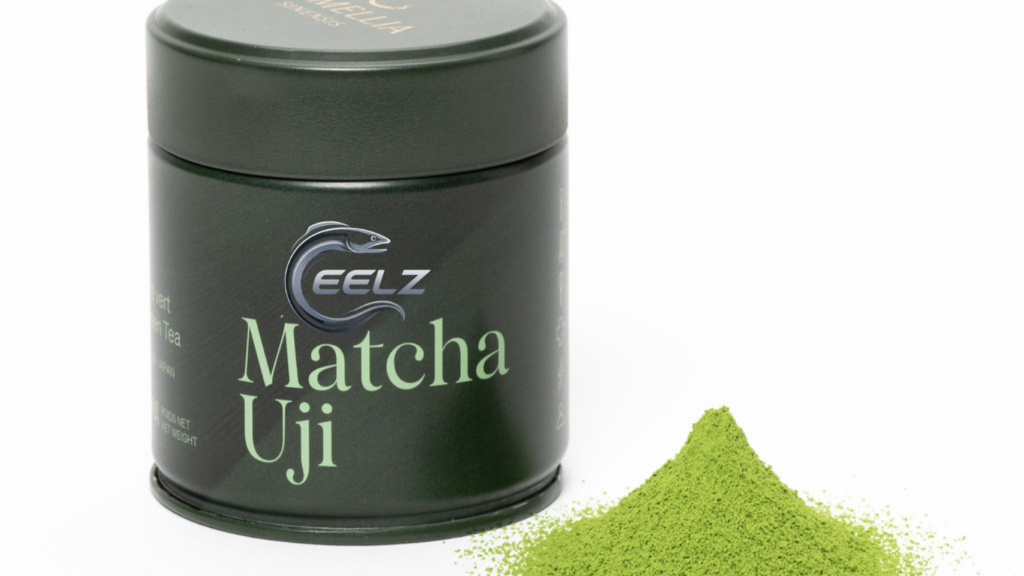
In the misty hills south of Kyoto, a vibrant green powder has been carefully cultivated for centuries. Uji matcha powder is more than a trendy ingredient in lattes or desserts. It is the refined result of specific growing conditions, traditional shading techniques and meticulous stone-milling that set it apart from ordinary green tea powders. Readers remain drawn to it because it connects everyday rituals with a deep cultural heritage, offering both distinctive flavour and a sense of mindful calm.
What begins as tender tea leaves under carefully managed shade becomes a silky powder rich in umami, chlorophyll and amino acids. Whether whisked into a traditional bowl or blended into modern drinks, uji matcha powder continues to captivate tea lovers, chefs and health-conscious consumers around the world. Its reputation rests on geography, history and craftsmanship rather than marketing alone.
Origins and Background
Tea reached Japan in the late 12th century when the Zen monk Eisai returned from China with seeds and knowledge of its preparation. He shared some of those seeds with the priest Myōe, who planted them at Kōzan-ji temple. Cultivation soon spread to the Uji area, whose basin location, morning mists from the Uji River, well-drained sloping terrain and significant day-night temperature differences proved ideal for high-quality tea.
By the Muromachi period, Uji tea had gained favour with the shogunate. The region’s reputation grew further in the 15th and 16th centuries when farmers developed ōishita saibai, the practice of covering tea bushes with reed screens and straw for several weeks before harvest. Blocking most sunlight slows the conversion of L-theanine into bitter catechins, boosts chlorophyll and produces the sweet, vibrant leaves needed for tencha—the leaf that becomes matcha.
Uji matcha powder is defined more broadly than the city of Uji itself. According to the Kyoto Prefectural Tea Industry Chamber, it is green tea made from leaves grown in Kyoto, Nara, Shiga or Mie prefectures, finished and processed within Kyoto Prefecture using methods that originated in the Uji region, with priority given to Kyoto-grown leaves. This geographical and technical standard underpins its status as a premium product.
Production Methods and Rise to Prominence
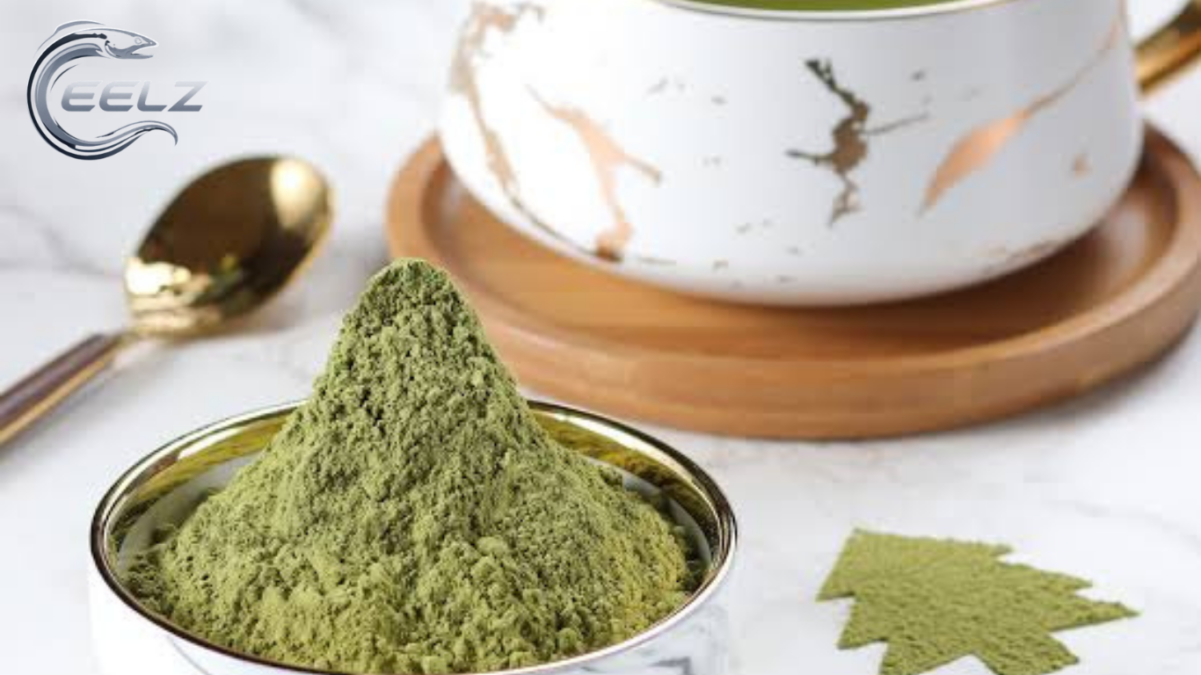
The path from leaf to powder is precise. Young spring shoots, often first-harvest and sometimes hand-picked for the highest grades, are shaded, harvested, steamed briefly to halt oxidation, dried without rolling, and then de-stemmed and de-veined into tencha. The tencha is slowly stone-milled on traditional granite mills that turn at low speed, producing only 30–40 grams per hour while keeping temperatures low to preserve aroma and colour. The resulting powder is fine—typically 5–15 microns—and vibrantly green.
Ceremonial-grade uji matcha powder uses the finest first-harvest leaves and is intended for traditional preparation as usucha or thicker koicha. Culinary grades may draw on later harvests or different milling and suit baking, ice cream and lattes. Historic houses such as Ippodo and various multi-generational farms in the region have refined these techniques over centuries.
The tea ceremony, elevated by masters including Sen no Rikyū, elevated matcha’s cultural standing. Uji’s product became the preferred choice for the highest ranks of society. Later innovations in the same region, such as Soen Nagatani’s 1738 development of the steaming and hand-rolling method for sencha, further cemented Uji’s influence on Japanese tea as a whole. In recent decades global interest has surged through cafés, desserts and wellness trends, yet authentic uji matcha powder retains its association with quality and tradition.
Challenges and Turning Points
Producing genuine uji matcha powder faces real pressures. Urbanisation has reduced available farmland around Uji. Traditional honzu shading with natural materials is labour-intensive compared with synthetic nets. Stone-milling is slow and costly. Climate variability and occasional supply shortages have affected availability and prices. At the same time, the popularity of matcha has encouraged lower-grade or blended powders to be marketed under similar names, making authenticity harder for consumers to verify.
Farmers and processors have responded by preserving heritage techniques where possible, pursuing organic certification, and educating buyers about origin and grade. Some estates continue using century-old drying equipment and prioritise quality over volume. These efforts demonstrate resilience: the product’s value lies in its exacting standards rather than mass output.
Cultural Role and Everyday Use
Publicly discussed nutritional aspects include its content of antioxidants such as EGCG, L-theanine (associated with calm focus), chlorophyll and a moderate amount of caffeine that tends to deliver steadier energy than coffee for many drinkers. These characteristics, combined with the distinctive flavour of high-quality powder, explain its broad appeal. Relationships, family stories or private lives of individual producers are not the focus of public discussion; the tea itself and the collective craft of the region take centre stage.
Contemporary Presence and Activities
Today uji matcha powder appears in specialist tea shops, restaurants and home kitchens worldwide. Brands emphasise stone-milling, first-harvest leaves, single-cultivar options such as Samidori or Okumidori, and organic certification. Visitors to Uji can still walk among tea fields, visit museums and experience grinding or traditional preparation. Preservation work continues, including efforts related to cultural landscape recognition and the maintenance of traditional skills designated as intangible folk cultural property.
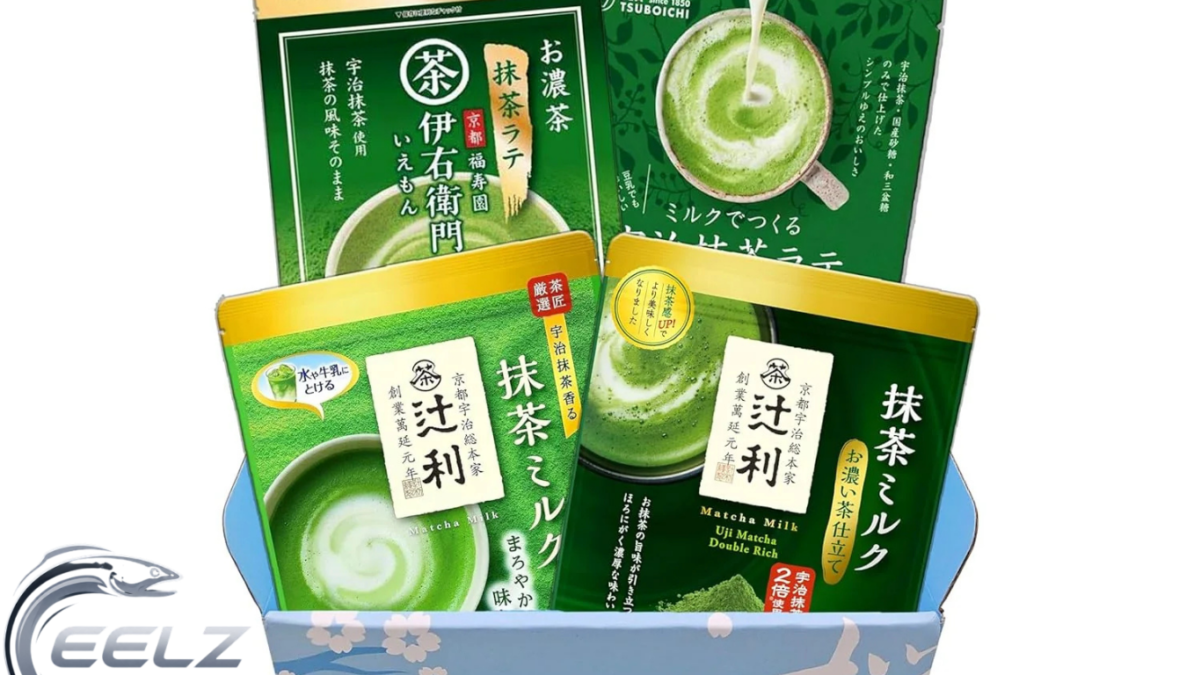
Business ventures range from small-batch ceremonial tins to culinary supplies for the food industry. Advocacy centres on protecting quality standards, supporting growers and communicating the difference between authentic product and generic alternatives. The powder remains a living tradition adapted to modern tastes without losing its core identity.
Quick Bio
| Detail | Information |
| Full Name | Uji matcha powder (Uji-cha matcha) |
| Origin / “Birth” | Uji region and surrounding areas, Kyoto, Japan; tea cultivation from late 12th / early 13th century; modern matcha methods from 16th century |
| Place of Production | Leaves from Kyoto, Nara, Shiga or Mie; finished in Kyoto Prefecture |
| “Nationality” | Japanese |
| Category | Premium shade-grown green tea powder |
| Years of Prominence | Centuries; global rise from late 20th century onward |
| Known For | Ceremonial and culinary grades, umami flavour, vibrant colour, traditional stone-milling |
| Estimated Market Status | Premium segment; prices vary widely by grade and harvest |
Conclusion
Uji matcha powder remains important because it embodies a specific terroir, a refined agricultural technique and a cultural practice that values presence and quality. Its influence extends beyond tea: it shaped the Japanese tea ceremony, inspired related high-grade teas such as gyokuro, and set a benchmark that other regions and producers still measure against. Public perception associates it with authenticity, craftsmanship and a quieter form of luxury.