
Best Ceremonial Grade Matcha: A Guide to Japan’s Finest Green Tea Powder

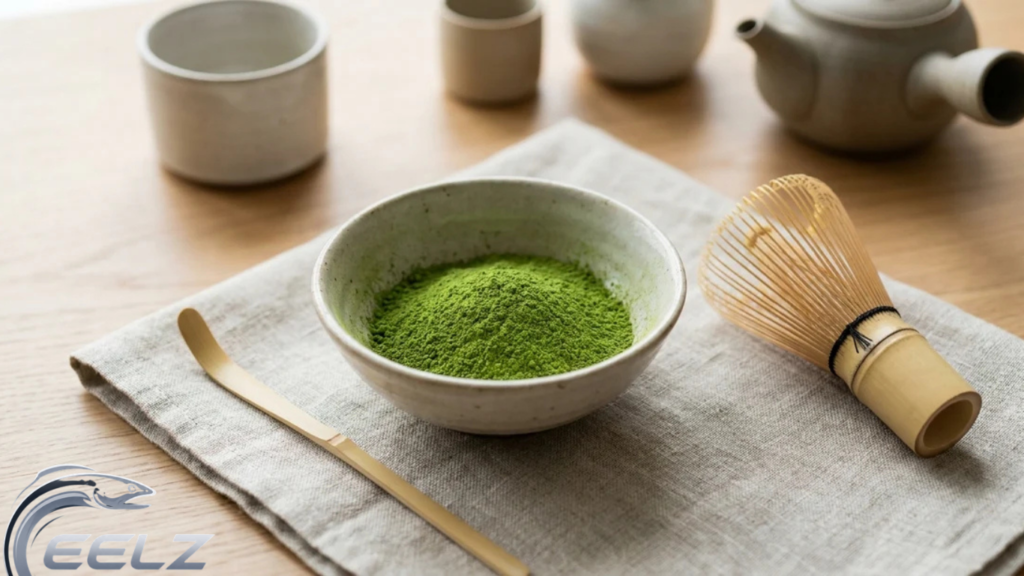
There is something quietly captivating about a bowl of properly prepared matcha. The vivid green colour, the soft foam, the balance of natural sweetness and deep savoury notes create a moment of calm that few other drinks can match. For many people, the search for the best ceremonial grade matcha becomes more than a simple shopping decision. It is an introduction to a centuries-old craft that rewards attention and care.
Interest in high-quality matcha has grown steadily across the UK and beyond. Coffee-shop lattes introduced many to the flavour, yet those who begin whisking the powder themselves quickly discover that not all matcha is the same. The finest ceremonial grade matcha is intended to be drunk with little more than hot water, revealing its true character without milk or sugar to hide behind. That purity is what keeps enthusiasts returning to the subject, comparing origins, harvests and producers in search of the most satisfying bowl.
Origins and Early Cultivation
Powdered green tea has deep roots. Tea itself reached Japan from China, and the practice of grinding steamed leaves into a fine powder was refined by Zen Buddhist monks. The monk Eisai is widely credited with helping establish tea culture in Japan around the late twelfth century after studying in China. Over time the drink moved from monastic circles into the lives of the samurai and aristocracy.
The region of Uji, near Kyoto, proved especially suited to growing the Camellia sinensis plants used for matcha. Mild climate, fertile soil and careful cultivation methods allowed farmers to develop the shading technique that defines ceremonial tea. By covering the bushes with reed or straw screens in the weeks before harvest, growers reduce photosynthesis. The leaves respond by producing more chlorophyll and amino acids, particularly L-theanine, which softens bitterness and heightens the characteristic umami flavour.
This shaded leaf, known as tencha once the stems and veins have been removed, is then slowly stone-milled into the ultra-fine powder we recognise as matcha. The process is deliberately unhurried; traditional granite mills produce only a small quantity each hour so that heat does not damage the delicate compounds. First-harvest spring leaves, called ichibancha, form the foundation of the best ceremonial grade matcha.
What Sets Ceremonial Grade Apart
Ceremonial grade is not a legally protected designation. Any producer can apply the label, which is why careful buyers look beyond the words on the tin. Genuine high-grade matcha typically comes from the youngest leaves of the first spring harvest, is shade-grown for several weeks, and is stone-ground to a silky texture measured in microns.
The resulting powder is a vivid emerald green rather than olive or yellowish. When whisked with water it should taste naturally sweet, rich in umami, and almost free of harsh bitterness. The mouthfeel is creamy and smooth. Culinary grades, by contrast, often use later harvests or a wider selection of leaves. They carry a stronger, more astringent flavour that stands up well in baking or heavily sweetened drinks but can taste coarse when prepared traditionally.
Because the term remains unregulated, colour, aroma, origin details and harvest information matter more than the grade name alone. Reputable producers state the region (Uji, Nishio, Kagoshima or Yame are frequent sources), note that the tea is first-harvest, and describe the milling method.
How the Best Ceremonial Grade Matcha Is Chosen
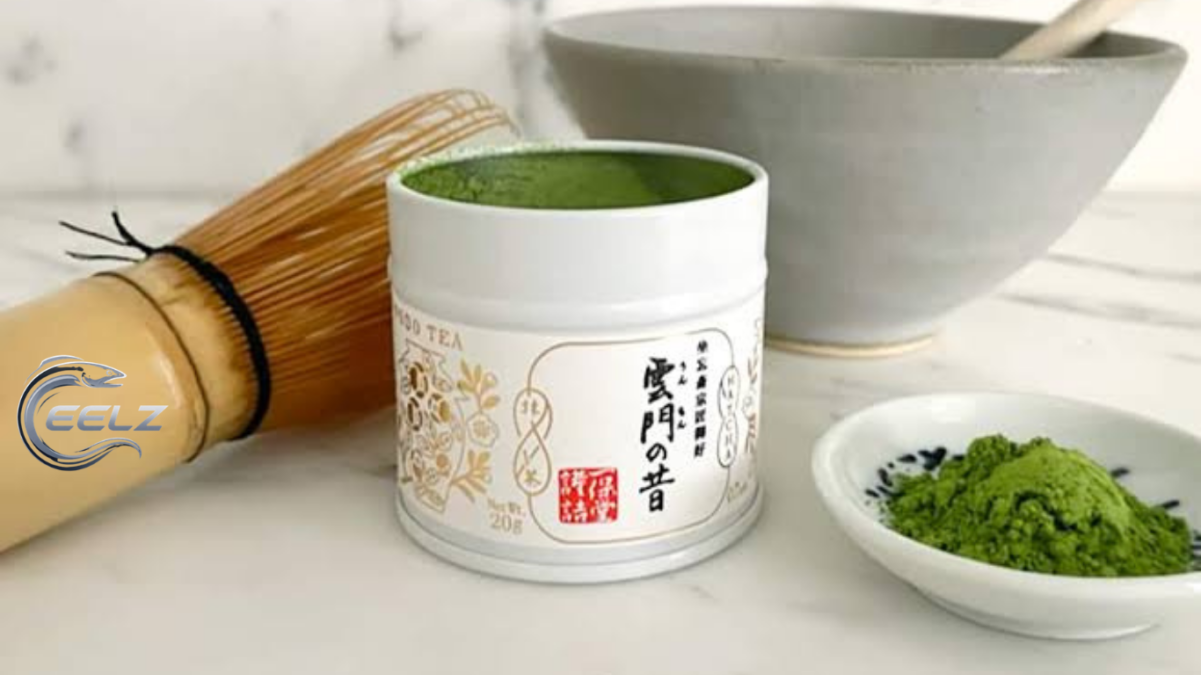
Several Japanese houses and specialist importers consistently appear in expert assessments and among serious drinkers. Long-established Kyoto producers such as Ippodo, with roots reaching back to the early eighteenth century, and Marukyu Koyamaen are frequently praised for traditional Uji character. Their ceremonial blends offer balanced sweetness, depth and a clean finish that rewards preparation with a bamboo whisk and bowl.
More accessible options that still meet high standards include Jade Leaf ceremonial powder and certain organic first-harvest selections from Encha and Naoki. These tend to deliver reliable colour and flavour at a price that suits regular drinking. In the UK, specialist and high-street choices such as OMGTea’s higher grades and selected offerings from Bird & Blend or Clearspring give buyers convenient access to Japanese-grown leaf that has been carefully processed.
Single-origin and single-cultivar matchas (often Okumidori, Samidori or Yabukita) can show greater complexity, while carefully composed blends provide consistency across seasons. Organic certification, particularly Japan’s JAS standard, adds another layer of assurance for those who prefer pesticide-free cultivation. Price varies widely: everyday ceremonial tins may cost £15–£25 for 30 g, while the most refined traditional offerings sit higher.
Practical Challenges and Buying Considerations
The popularity of matcha has brought both opportunity and confusion. Supply pressures in recent years have affected availability and cost, and the absence of a formal grading system means some powders labelled ceremonial fall short of expectations. Colour that looks dull, a powder that feels gritty, or a taste that is sharply bitter are useful warning signs.
Storage is another practical point. Matcha is sensitive to light, air, heat and moisture. Once opened it is best kept in an airtight container in the refrigerator and used within a few weeks for peak flavour. Buying smaller tins more frequently often yields better results than large quantities that lose vibrancy over time.
Authentic Japanese origin remains important. While high-quality tea can be grown elsewhere, the combination of cultivar selection, shading technique and traditional milling that defines the best ceremonial grade matcha is still most consistently achieved in Japan’s historic growing regions.
Preparing and Enjoying Matcha at Home
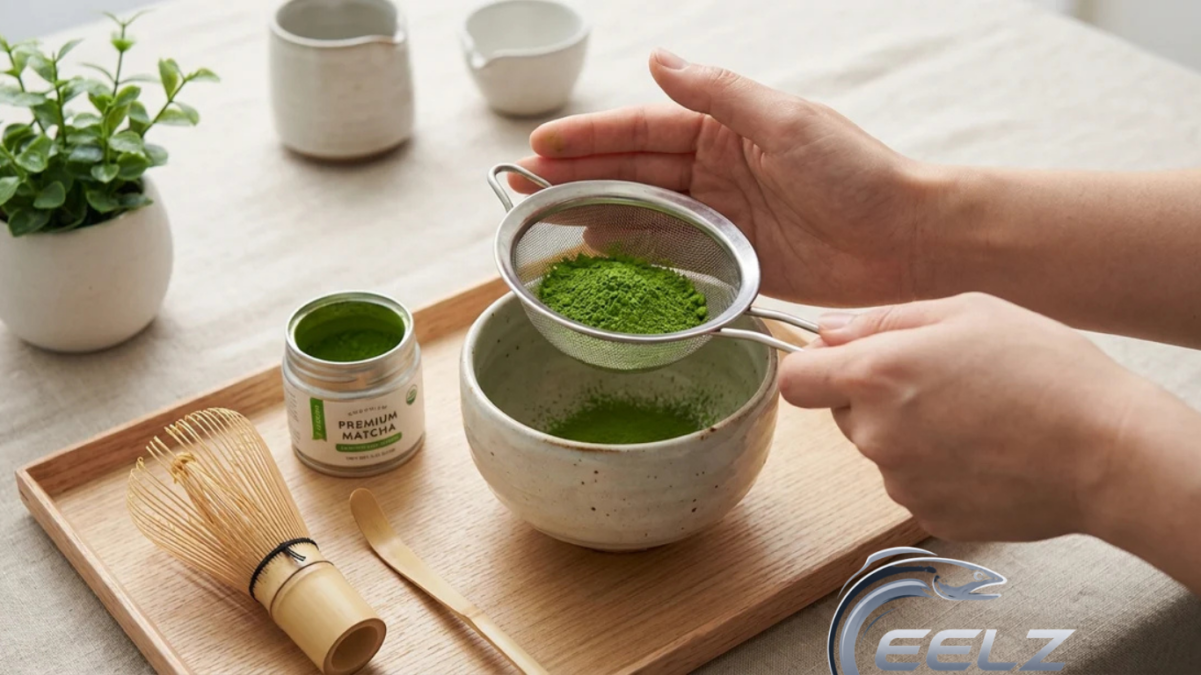
Traditional preparation is straightforward once the basic tools are to hand. A bamboo whisk (chasen), a ceramic bowl (chawan) and a fine sieve make a noticeable difference. Sift a measured amount of powder—typically 1–2 g for a thinner usucha—into the bowl, add a small quantity of water at around 70–80 °C, and whisk vigorously in a zigzag motion until a fine foam forms. The result should be smooth, bright and free of clumps.
Many people also enjoy ceremonial matcha in simple lattes, though the purest expression of the tea is still the plain bowl. The combination of caffeine and L-theanine often produces a calm, sustained alertness rather than a sharp spike, which helps explain its lasting appeal among those seeking focus without jitters.
Quick Reference
| Detail | Information |
| Primary Origin | Japan (Uji, Kyoto and other historic regions) |
| Key Harvest | First spring harvest (ichibancha) |
| Growing Method | Shade-grown for several weeks before picking |
| Processing | Stems and veins removed; stone-milled |
| Intended Use | Whisked with water and drunk plain |
| Typical Colour | Vivid emerald green |
| Flavour Profile | Natural sweetness, rich umami, low bitterness |
| Distinguishing Feature | Fine texture and balanced taste when prepared traditionally |
Lasting Appeal and Cultural Resonance
The best ceremonial grade matcha continues to matter because it connects a modern daily ritual with a long cultural lineage. From Zen monasteries to the refined tea rooms of the sixteenth century and the global interest of today, the drink has carried associations of mindfulness, hospitality and careful craftsmanship. Its influence appears not only in traditional tea ceremony schools but also in contemporary cafés, wellness routines and home kitchens.
Public perception has shifted from niche Japanese speciality to widely recognised premium ingredient, yet the highest-quality powders still reward the slower, more attentive approach. Lessons from the tea itself—patience in cultivation, restraint in processing, and presence in preparation—remain relevant far beyond the bowl.
Conclusion
Finding the best ceremonial grade matcha is ultimately a personal journey shaped by taste, budget and the way one prefers to drink it. Whether drawn to a historic Kyoto house, an organic first-harvest tin, or a reliable everyday ceremonial powder, the common thread is respect for the leaf and the process that turns it into something remarkable. When colour, aroma and flavour align, the result is a quiet pleasure that justifies the care taken to source it well.