
The Perfect Matcha Ratio: How to Brew Smooth, Balanced Green Tea Every Time

Matcha has moved far beyond the traditional Japanese tea ceremony. In homes and cafés across the UK and beyond, the vibrant green powder appears in lattes, iced drinks and everyday bowls. Yet many people still struggle with the same problem: a bitter, clumpy or watery result. The solution almost always comes down to one essential detail — the matcha ratio.
Getting the matcha ratio right transforms the experience. Too little powder and the drink tastes weak and thin. Too much, or the wrong amount of water, and bitterness takes over. When the balance is correct, matcha delivers its signature umami, gentle sweetness and creamy froth. This guide explains the classic ratios, the science behind them, and how to adjust for different styles so you can enjoy consistently good matcha at home.
Understanding Matcha and Why Ratio Matters
Matcha is finely ground powder made from shade-grown tea leaves. Unlike ordinary green tea, the whole leaf is consumed, which means flavour, caffeine and nutrients are concentrated. Because the powder does not dissolve completely, it must be suspended evenly in liquid. The matcha ratio — the precise relationship between powder and water — determines texture, intensity and taste.
Traditional Japanese preparation recognises two main styles. Usucha, or thin tea, is the everyday form most people drink. Koicha, or thick tea, is denser and reserved for formal ceremonies. Modern café culture has added lattes and iced versions, each with its own preferred proportions. Water temperature also plays a critical role. Water that is too hot extracts excess bitterness; the ideal range sits between 70°C and 80°C.
A reliable starting point for beginners is the standard usucha matcha ratio of roughly 2 grams of powder to 60–80 ml of water. This produces a balanced, frothy cup that is neither too strong nor too mild. From there, small adjustments open up a range of possibilities.
The Classic Usucha Matcha Ratio
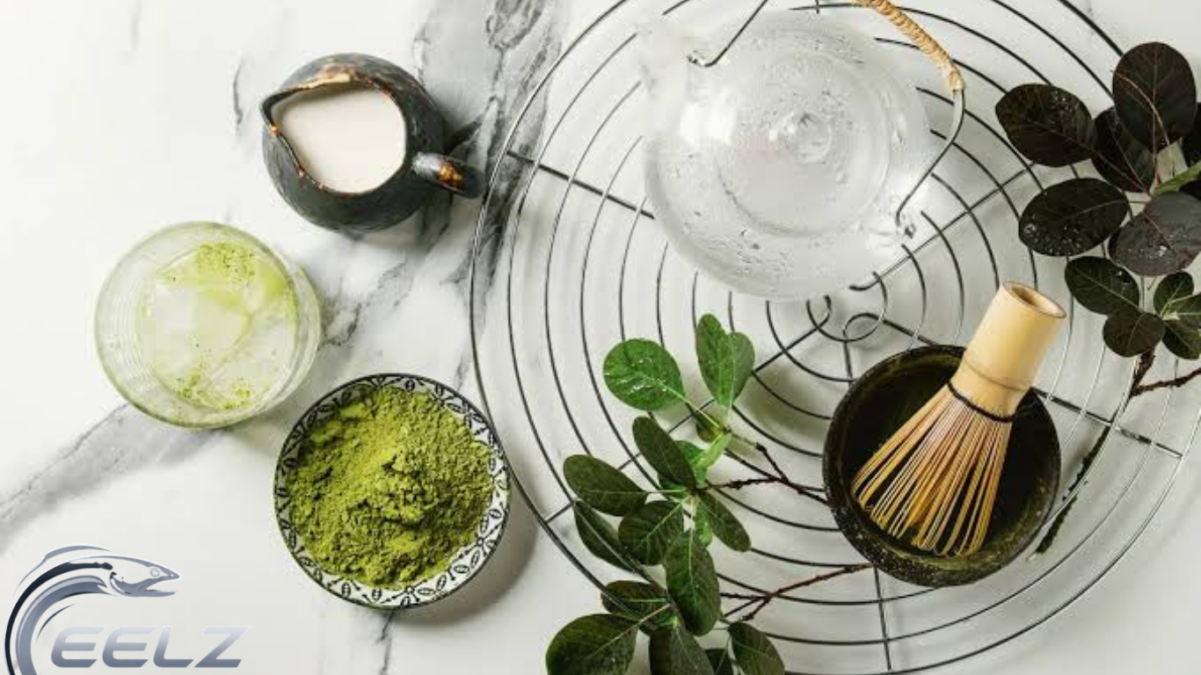
Usucha remains the most approachable way to drink matcha. The widely accepted ratio is 2 grams of ceremonial-grade matcha (approximately one level teaspoon or two scoops of a traditional bamboo chashaku) mixed with 60–80 ml of water heated to about 75–80°C.
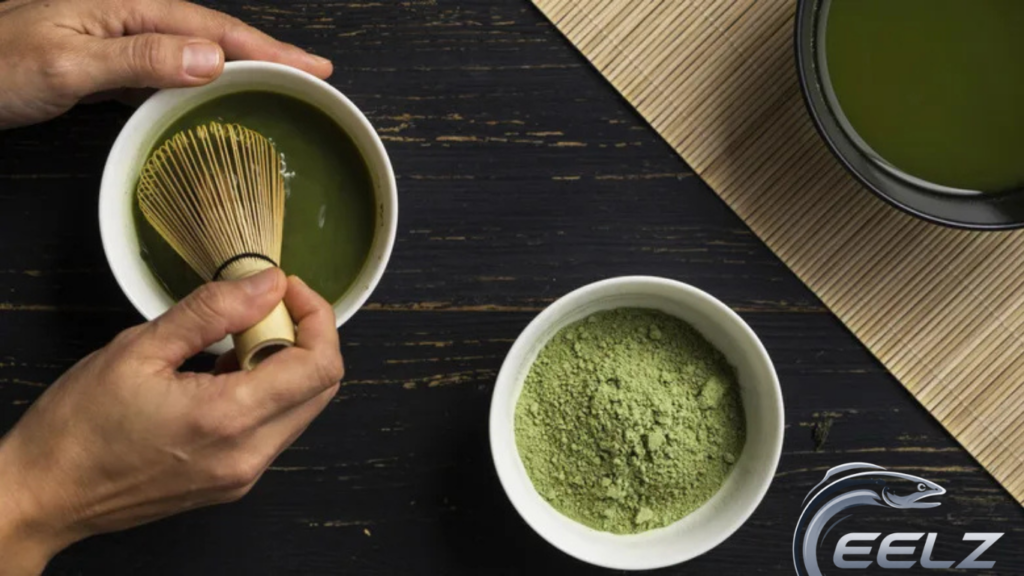
Sift the powder into a warmed bowl first. This prevents lumps. Add a small amount of the hot water and whisk vigorously in a rapid “W” or zigzag motion using a bamboo whisk (chasen) until a fine foam forms on the surface. Then add the remaining water and whisk briefly again.
This matcha ratio yields a light yet full-flavoured drink with pleasant umami and a soft finish. Caffeine content typically falls in the moderate range, offering calm focus rather than a sharp jolt. Many tea specialists recommend beginning at the lower end of the water volume if you prefer a slightly stronger taste, or the higher end for a gentler introduction.
Koicha: The Thick Ceremonial Ratio
Koicha uses a much higher concentration. The traditional matcha ratio here is around 3–4 grams of high-quality ceremonial matcha to only 30–50 ml of water at a similar temperature. The result is a dense, almost syrupy liquid with intense flavour and a velvety mouthfeel.
Rather than creating foam, the whisk is used in a slower, kneading motion to blend the powder thoroughly. Koicha demands excellent-grade matcha; lower-quality powder becomes harsh and bitter at this strength. It is traditionally shared from a single bowl in formal tea gatherings and is sipped slowly. For home drinkers, it offers a powerful, meditative experience when the ratio is observed carefully.
Matcha Latte and Modern Variations
Café-style matcha lattes require a different approach. The powder is first whisked into a concentrated “shot” with a smaller volume of water, then combined with milk. A common golden matcha ratio for a hot latte is 2–4 grams of matcha mixed with 30–60 ml of hot water, followed by 150–200 ml of steamed milk. For iced versions, the same concentrated base is poured over ice and cold milk.
One practical guide suggests 1½ teaspoons of matcha with 60 ml of water as a base, then adding milk and ice to taste. Whole milk creates richness, while oat milk adds natural sweetness that complements the green tea notes. The key is always to disperse the matcha fully in water before introducing dairy or plant milk; otherwise the powder tends to clump.
Iced pure matcha follows a similar principle: prepare a stronger concentrate and dilute with cold water or ice. Experimentation is encouraged once the basic matcha ratio is understood. Some prefer a lighter everyday cup at 1–1.5 grams per 80 ml, while others favour a bolder 3 grams for recipes or smoothies.
Practical Tips for Consistent Results
Accurate measurement improves results dramatically. A digital scale that reads to 0.1 grams is ideal, because teaspoon measures can vary with how tightly the powder is packed. Sifting remains essential. A fine-mesh sieve removes any residual clumps that would otherwise spoil the texture.
Water quality matters too. Soft, filtered water allows the delicate flavours to shine. Avoid boiling water; let it cool for a minute or two after boiling, or use a temperature-controlled kettle. Whisking technique develops with practice. The goal is a uniform suspension with a layer of tiny bubbles rather than large, unstable foam.
Storage of the powder itself influences the final cup. Keep matcha in an airtight container in the refrigerator or a cool, dark place and use it within a few weeks of opening for the brightest colour and freshest taste. Culinary-grade matcha works well in cooking and baking, but ceremonial grade is preferable for drinking, especially at higher ratios.
Adjusting the Matcha Ratio to Personal Taste
There is no single perfect matcha ratio for every palate. Beginners often start lighter to appreciate the subtler notes. Those accustomed to strong coffee may prefer a more concentrated bowl. When adding sweeteners, a slightly higher powder-to-water ratio helps the matcha flavour hold its own. For lower caffeine intake, simply reduce the amount of powder while keeping the water volume the same.
The spectrum is wide. A mild usucha might use 1.5 grams to 80 ml. A robust everyday cup sits comfortably at 2 grams to 70 ml. Koicha sits at the intense end. Lattes occupy a middle ground once the milk is factored in. Taste, adjust, and note what works. Over time the process becomes intuitive.
Quick Reference Guide
| Preparation Style | Matcha Powder | Liquid | Temperature | Notes |
| Usucha (thin tea) | 2 g (≈1 tsp) | 60–80 ml water | 70–80°C | Everyday frothy bowl |
| Koicha (thick tea) | 3–4 g | 30–50 ml water | 70–80°C | Ceremonial, kneaded texture |
| Hot matcha latte | 2–4 g | 30–60 ml water + 150–200 ml milk | 70–80°C (water) | Whisk base first |
| Iced matcha latte | 2–4 g | 30–60 ml water + milk + ice | 70–80°C (water) | Stronger base recommended |
| Light everyday | 1–1.5 g | 70–80 ml water | 70–80°C | Gentle introduction |
Why the Right Ratio Continues to Matter
Proper matcha ratio respects centuries of Japanese tea culture while adapting to contemporary tastes. It maximises the natural sweetness and umami that high-quality shade-grown leaves provide, and it avoids the astringency that puts many newcomers off. In an age of rushed café orders and powdered mixes of uneven quality, mastering the ratio at home restores control and consistency.
The practice also encourages mindfulness. Measuring, sifting and whisking create a short daily ritual that many find calming. Whether you prefer a simple usucha, a creamy latte or the occasional koicha, the matcha ratio remains the foundation of a good cup.
Conclusion
The matcha ratio is not a rigid rule but a reliable framework. Start with 2 grams of good ceremonial powder and 60–80 ml of water at the correct temperature for classic usucha. Explore thicker or milk-based versions once that foundation feels familiar. With a little attention to measurement and technique, bitter or watery results become rare.