
Cold Pressed Black Seed Oil: An Ancient Remedy in the Modern World

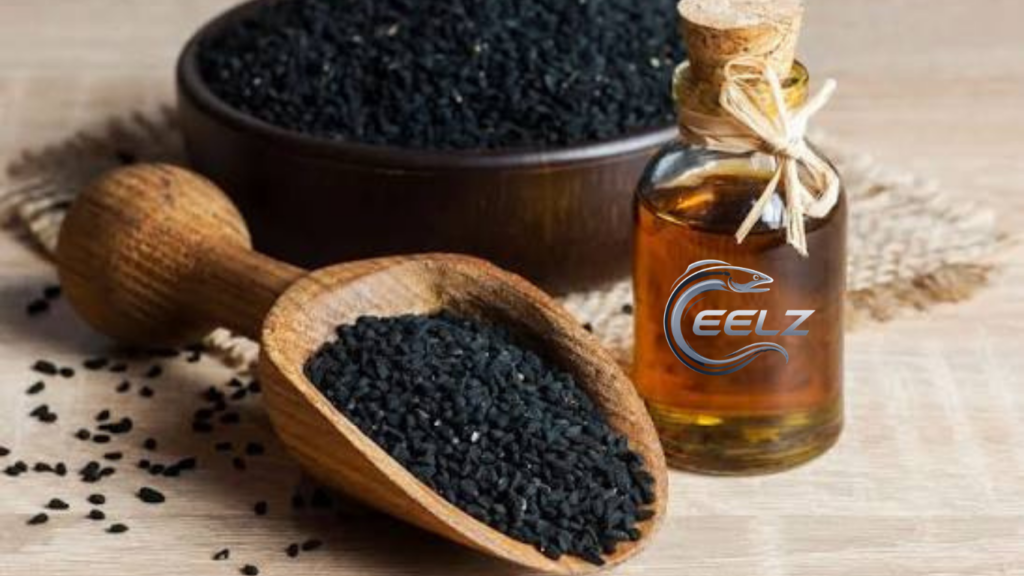
For centuries, people across the Middle East, North Africa and South Asia have turned to a small, dark seed for both flavour and healing. Today that seed yields one of the most talked-about natural oils on the market: cold pressed black seed oil. Extracted from the seeds of Nigella sativa, also known as black cumin, kalonji or habbatus sauda, the oil carries a distinctive peppery aroma and a long tradition of traditional use.
Interest in cold pressed black seed oil has grown steadily in recent years. Shoppers looking for plant-based options, people exploring complementary approaches to everyday wellness, and those drawn to products with historical roots all find something appealing in this amber-hued liquid. Its reputation rests on both cultural heritage and a growing body of scientific inquiry into its active compounds, particularly thymoquinone.
Early History and Background
Nigella sativa is an annual flowering plant in the buttercup family. It is native to a broad region that includes the eastern Mediterranean, southwest Asia and northern Africa. Archaeological evidence places its use as far back as the second millennium BCE in Mesopotamia. Seeds have been recovered from the tomb of the Egyptian pharaoh Tutankhamun, suggesting the plant held value in ancient Egyptian culture, possibly as both a food and a medicinal or cosmetic ingredient.
In classical antiquity, Greek and Roman writers recorded its applications. Hippocrates and Dioscorides mentioned related plants for headaches, respiratory complaints and other ailments. In Islamic tradition the seed occupies a special place. A well-known hadith attributes to the Prophet Muhammad the statement that black seed is a remedy for every disease except death. This association helped secure its place in Unani and other traditional medical systems of the Middle East and South Asia.
In the Indian subcontinent the seeds, known as kalonji, became a common kitchen spice used in breads, curries and pickles, as well as a folk remedy. Across these cultures the seeds and the oil pressed from them were valued for digestive comfort, respiratory ease, skin care and general vitality. The plant’s journey from ancient fields to modern supplement shelves reflects a continuity of interest rather than a sudden discovery.
How Cold Pressed Black Seed Oil Is Made
The quality of black seed oil depends heavily on the extraction method. Cold pressing uses mechanical pressure at controlled low temperatures—typically kept below 40–60 °C—to separate the oil from cleaned seeds. No chemical solvents are introduced and no high-heat refining occurs. This approach helps preserve heat-sensitive compounds, including thymoquinone and the unsaturated fatty acids that make up a large proportion of the oil.
The process generally involves cleaning and drying the seeds, pressing them under pressure, and filtering the resulting oil. The finished product is usually a dark golden to amber liquid with a pungent, slightly bitter taste. Because light and oxygen can degrade the oil’s active constituents, reputable producers package it in dark glass bottles and recommend cool, dark storage.
Composition and Key Compounds
Black seed oil is rich in fatty acids, particularly linoleic and oleic acids, along with smaller amounts of palmitic and other saturated fats. The volatile fraction contains thymoquinone, the compound most frequently studied for its biological activity. Other constituents include thymohydroquinone, carvacrol, nigellone and various vitamins and minerals present in smaller quantities.
Thymoquinone has attracted particular scientific attention because laboratory and animal studies show antioxidant and anti-inflammatory properties. Human trials remain more limited in scale and duration, yet they provide the foundation for current understanding of the oil’s potential effects.
Potential Benefits Supported by Research
Research into cold pressed black seed oil and Nigella sativa preparations has examined a range of outcomes. Results vary in quality and consistency, and larger, longer trials are still needed for many claims.
Several studies and meta-analyses suggest modest improvements in certain metabolic markers. Some trials report small reductions in total cholesterol, LDL cholesterol and fasting blood glucose. Effects on blood pressure have also been observed in some groups, though results are not uniform across all populations.
Respiratory health has been another area of interest. Meta-analyses of smaller trials indicate possible improvements in asthma control and lung function measures, while other work has looked at allergic rhinitis. Topical applications have shown promise for skin conditions; one randomised trial found a substantial reduction in acne severity with a Nigella sativa hydrogel compared with placebo.
Anti-inflammatory and antioxidant activity forms a recurring theme in laboratory research. These properties underpin investigations into joint comfort, immune modulation and general cellular protection. Oral use of the oil has been tested in osteoarthritis trials, with some reports of reduced pain scores and lower reliance on conventional pain relief.
It is important to keep perspective. Many studies are small, short-term or of variable methodological quality. Outcomes that look encouraging in one trial may not replicate consistently. Black seed oil is not a proven treatment for any specific disease, and it should not replace prescribed medical care.
Practical Uses and Considerations
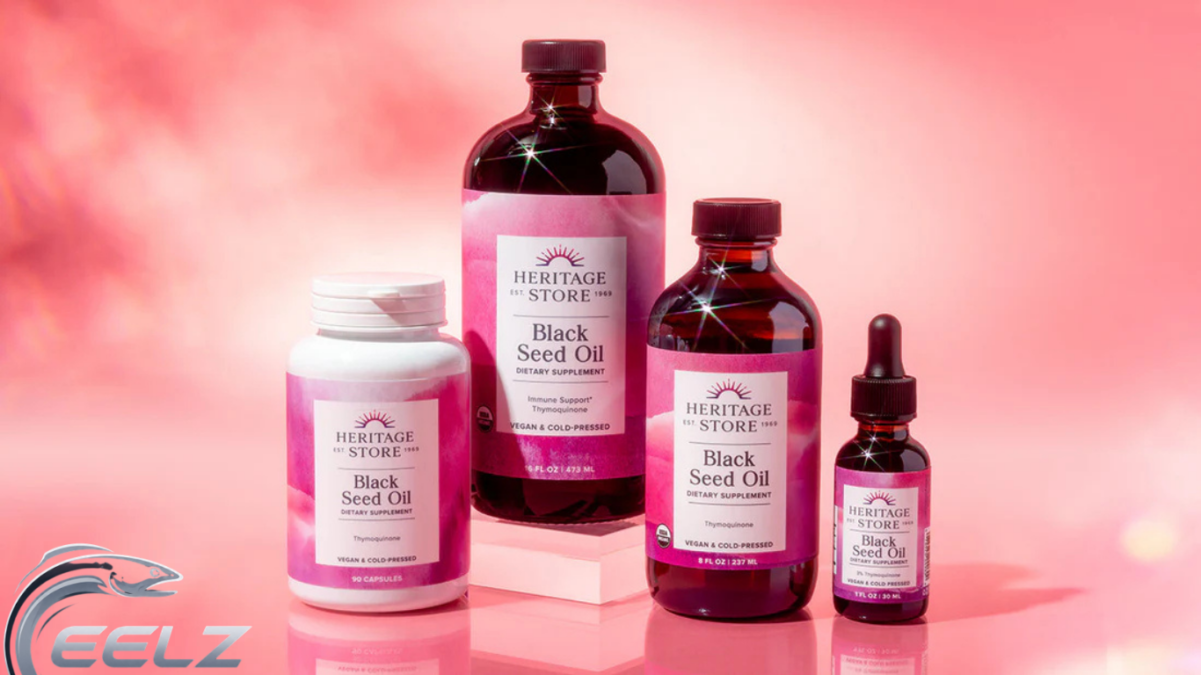
People incorporate cold pressed black seed oil in several ways. Some take a small amount (often 1–2.5 g or roughly half to one teaspoon) daily by mouth, sometimes mixed with honey or juice to soften the strong flavour. Capsules offer a convenient alternative for those who dislike the taste. Topically the oil or preparations containing it are applied to skin for moisturising or targeted care, always after a patch test.
Culinary use continues in traditional cooking, where the seeds themselves or a few drops of oil add flavour to savoury dishes. Cosmetically it appears in hair and skin formulations for its emollient qualities.
Safety data indicate that short-term oral use at typical supplemental doses is generally well tolerated. Mild digestive upset is the most commonly reported side effect. Allergic reactions, including skin rashes, can occur, particularly with topical use. Because the oil may influence blood sugar and blood pressure, people taking medication for diabetes or hypertension should consult a healthcare professional before use. The same caution applies to those on blood-thinning medication or preparing for surgery.
Choosing a quality product matters. Look for cold-pressed oils from reputable suppliers that provide information on origin, purity testing and, ideally, thymoquinone content. Dark glass packaging and clear storage guidance are additional positive signs.
Current Popularity and Market Presence
In recent decades cold pressed black seed oil has moved from specialist ethnic shops into mainstream health-food stores and online retailers, particularly in the UK, Europe and North America.
The oil appears in pure liquid form, softgel capsules, and as an ingredient in skincare and haircare products. While marketing language can occasionally overstate benefits, the underlying product remains grounded in a long cultural history and a steadily expanding research base.

Quick Facts
| Detail | Information |
| Botanical Name | Nigella sativa |
| Common Names | Black seed, black cumin, kalonji, habbatus sauda |
| Plant Type | Annual flowering herb |
| Native Regions | Eastern Mediterranean, Southwest Asia, North Africa |
| Extraction Method | Cold pressing (mechanical, low temperature) |
| Key Active Compound | Thymoquinone |
| Primary Fatty Acids | Linoleic, oleic |
| Traditional Use Period | At least 2,000–3,000 years |
| Modern Forms | Liquid oil, capsules, topical preparations |
Lasting Appeal and Balanced Perspective
Cold pressed black seed oil endures because it bridges past and present. Its presence in ancient tombs, classical medical texts and prophetic tradition gives it cultural weight. Modern laboratory and clinical work has begun to examine the biological activity of its constituents, offering a more measured picture of what the oil may and may not do.
The oil’s influence lies less in dramatic single claims and more in its place within a broader interest in natural, traditionally used botanicals. Public perception remains largely positive among those who value heritage remedies, while scientific communities continue to call for higher-quality evidence. Lessons from its story include the value of preserving traditional knowledge, the importance of careful extraction methods, and the need for realistic expectations when evaluating any natural product.
Conclusion
Cold pressed black seed oil stands as a quiet continuum from ancient fields to contemporary shelves. Its journey reflects both enduring cultural regard and the slow, careful process of scientific evaluation. Whether used as a culinary accent, a daily supplement or a topical ingredient, it rewards an informed approach—one that respects its history while remaining clear-eyed about the current state of research.