Military Calisthenics for Women: Functional Strength Without the Gym

Military calisthenics for women has moved far beyond parade-ground drills and boot-camp stereotypes. It is a practical, equipment-free approach to building real-world strength, endurance and resilience using nothing more than body weight and disciplined movement. Women across the UK and beyond are turning to these structured circuits because they deliver measurable progress without the need for crowded gyms or complicated machines.
The appeal is straightforward. Whether fitting training around work and family, recovering fitness after time away, or simply wanting a method that feels purposeful rather than purely aesthetic, military-style calisthenics offers clear structure and progressive challenge. It draws on the same principles that prepare service personnel for demanding physical roles, yet it can be scaled for absolute beginners and adapted for those in their forties and beyond.
What Military Calisthenics Actually Involves
Military calisthenics centres on bodyweight exercises performed in circuits or progressive sets with limited rest. Classic movements include push-ups, bodyweight squats, lunges, planks, inverted rows or assisted pull-ups, glute bridges, mountain climbers and burpees. The emphasis is on functional patterns—pushing, pulling, squatting, hinging and stabilising—rather than isolation work.
These drills originated in armed-forces physical training because they require minimal equipment, can be done almost anywhere, and develop the strength-to-weight ratio needed for practical tasks. For civilian women the same qualities make the training highly accessible. Sessions typically last 20 to 40 minutes and can be completed in a living room, park or hotel room.
Research and practical experience show that women respond well to this style of training. Consistent circuit work produces meaningful gains in upper- and lower-body strength, while the weight-bearing nature of the movements supports bone health—particularly relevant after the menopause. The focus on relative strength (how effectively you move your own body) also tends to improve posture, core control and everyday confidence.
Why Military Calisthenics Suits Women
Many women discover that traditional gym programmes either feel too complicated or fail to translate into better performance in daily life. Military calisthenics addresses both issues. Because every exercise uses body weight, progress is measured by improved form, more repetitions or longer holds rather than heavier plates. This creates a clear sense of achievement that builds motivation.
Key benefits include improved core and postural strength, which many women notice reduces lower-back discomfort. Unilateral movements such as reverse lunges and step-ups enhance balance and single-leg stability useful for stairs, carrying shopping or simply moving with greater ease. The metabolic demand of circuit formats supports healthy body composition without extreme calorie restriction.
Mental benefits are equally important. Completing structured sessions fosters discipline and a quiet sense of capability. Women who stick with the training often report feeling more grounded and less intimidated by physical challenges. For those over 40, properly scaled programmes help counteract age-related muscle loss and support joint stability when impact is managed carefully.
Recent UK Defence research into female physiology reinforces the value of progressive strength work. Servicewomen achieve comparable relative strength gains to men when training is consistent and recovery is prioritised. The same principles apply outside the military: progressive overload, adequate protein intake, sufficient sleep and attention to form matter more than gender stereotypes about “bulking up.”
Essential Exercises and How to Progress Them
A solid military calisthenics foundation rests on a handful of movements performed with strict form.
Push-ups develop chest, shoulders and triceps while teaching full-body tension. Beginners start on an incline (hands on a sturdy chair or kitchen worktop) or on the knees, focusing on a controlled lowering phase. Progress by reducing the incline until full push-ups become possible.
Air squats build lower-body power and mobility. Feet are placed roughly shoulder-width apart; the hips travel back and down while the chest stays relatively upright. Depth should feel natural rather than forced. Adding a brief pause at the bottom increases difficulty without equipment.
Reverse lunges train each leg independently and are generally kinder on the knees than forward lunges. Step back, lower until both knees form roughly right angles, then drive through the front heel to return. Holding a light household object can add resistance later.
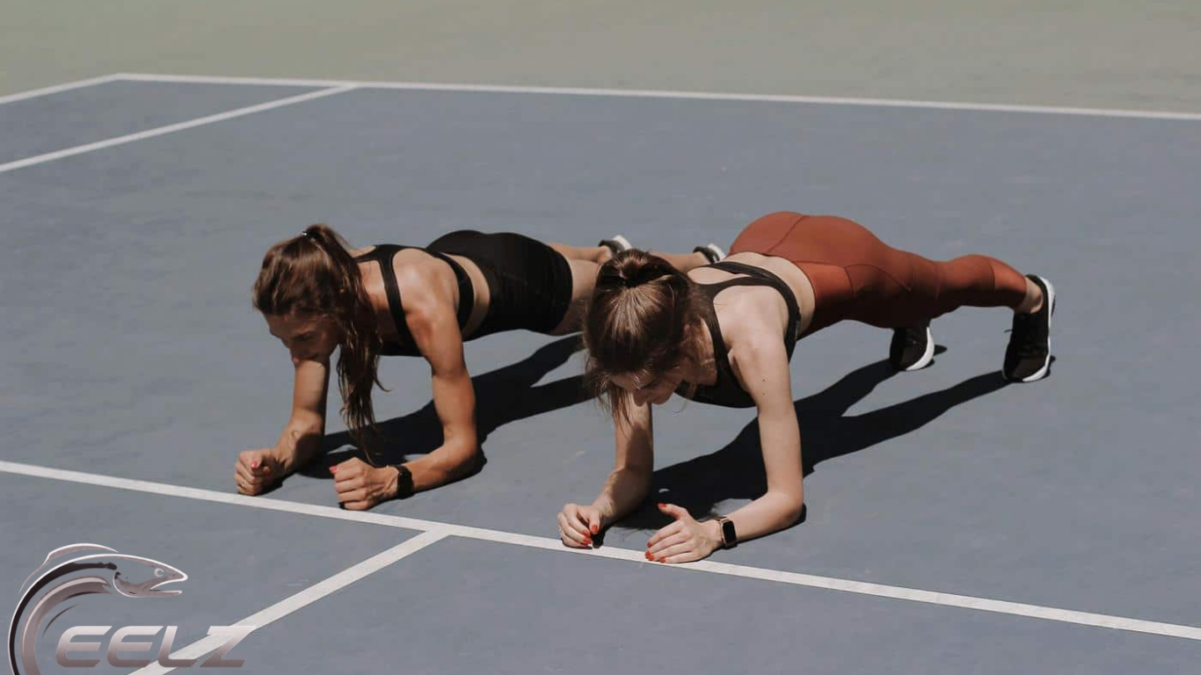
Planks strengthen the deep core. Maintain a straight line from head to heels, squeeze the glutes and avoid letting the hips sag or rise. Begin with shorter holds and build duration.
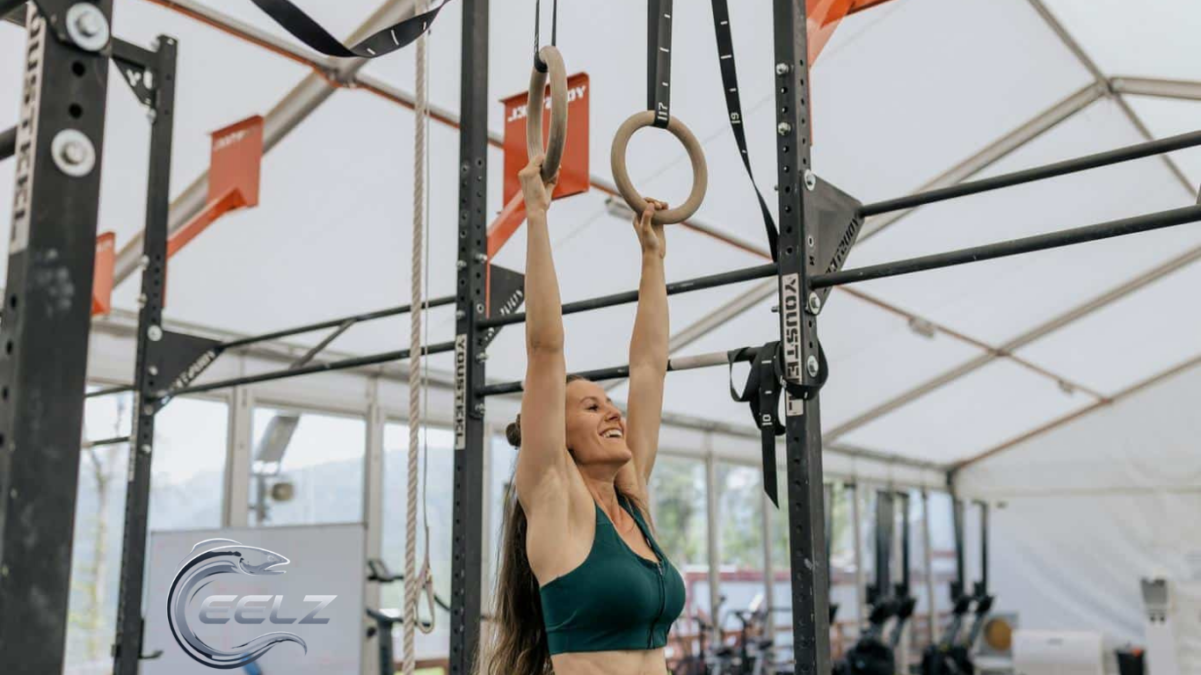
Inverted rows or band-assisted pull-ups address the often under-trained upper-back and pulling muscles. A sturdy table edge or low bar works for rows; resistance bands make pull-ups more accessible. Strong pulling strength balances the pushing work and supports shoulder health.
Glute bridges and step-ups round out lower-body development, while mountain climbers and carefully progressed burpees add conditioning.
Form always comes first. Quality repetitions build strength more effectively than rushed, incomplete ones.
A Practical Beginner Circuit
Here is a simple circuit suitable for most women starting military calisthenics. Warm up for five minutes with marching on the spot, arm circles and gentle leg swings. Then complete two or three rounds of the following, resting 45–60 seconds between exercises and two minutes between rounds:
- Air squats – 12–15 repetitions
- Incline or knee push-ups – 8–10 repetitions
- Reverse lunges – 6–8 per leg
- Forearm plank – 20–30 seconds
- Step-ups (using a low step or sturdy box) – 8 per leg
- Glute bridges – 12 repetitions
Cool down with gentle stretching for the hip flexors, hamstrings, chest and shoulders. Perform the session three times per week on non-consecutive days. After two to four weeks, increase repetitions slightly or reduce rest periods. More advanced versions can introduce full push-ups, longer planks, jump squats or additional rounds.
Tracking simple metrics—how many clean push-ups you can complete, how long you hold a plank, or how the workout feels—provides tangible evidence of progress and keeps motivation high.
Training Smart: Safety, Recovery and Real-Life Integration
Military calisthenics is effective precisely because it is progressive. Jumping straight into high-volume circuits or advanced variations increases injury risk. Women returning after pregnancy, managing joint issues or starting later in life should favour controlled progressions and consult a doctor if needed.
Recovery is non-negotiable. Muscles adapt between sessions, so rest days or light walking matter. Sleep of seven to nine hours supports hormonal balance and tissue repair. Adequate protein helps maintain and build lean muscle. Listening to the body during the menstrual cycle—sometimes reducing intensity around heavier days—can also improve consistency.
The beauty of the method is its flexibility. A 20-minute living-room session still counts. Rainy British weather is no obstacle when everything can be done indoors. Over time the same movements that once felt challenging become the foundation for more demanding variations or outdoor runs.
Conclusion
Military calisthenics for women is ultimately about capability. It develops a body that moves well, recovers efficiently and handles the physical demands of ordinary life with greater ease. The discipline cultivated in short, focused sessions often spills into other areas—better sleep habits, more consistent nutrition, quieter confidence in daily tasks.