Easy Rye Bread Recipe for Bread Machine: Soft, Flavourful Loaves at Home

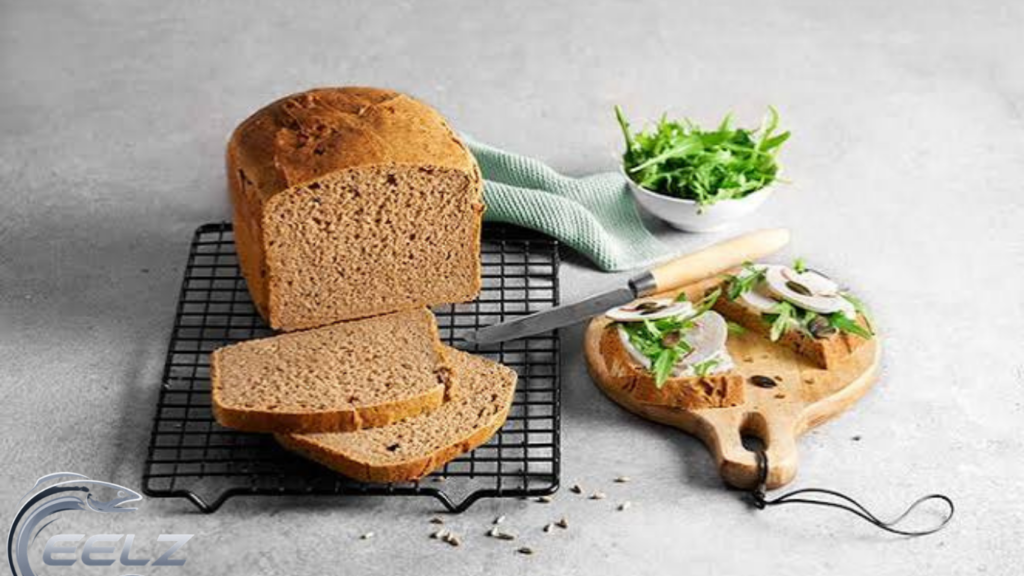
A good loaf of rye bread carries a distinctive earthy flavour and satisfying density that white sandwich loaves simply cannot match. When made in a bread machine, the process becomes almost effortless, delivering consistent results without the need for lengthy kneading or careful oven monitoring. This rye bread recipe for bread machine has become a favourite among home bakers who want reliable texture, deep flavour and minimal hands-on time.
Rye flour behaves differently from wheat flour. It contains less gluten and more soluble fibre, which produces a denser crumb and a slightly sticky dough. A bread machine handles these quirks well, controlling temperature and mixing cycles so the loaf rises evenly and develops a pleasing crust. Whether you prefer a light sandwich rye or a more traditional denser loaf, the method below offers a straightforward starting point that can be adjusted to suit different machines and tastes.
Why Use a Bread Machine for Rye Bread
Bread machines remove much of the guesswork. They provide consistent kneading, controlled rising temperatures and an automatic baking cycle. For rye dough, which can feel sticky and less elastic than wheat dough, this consistency is especially helpful. Many machines also offer a dedicated whole-wheat or rye setting, or at least a basic cycle that can be adapted successfully.
Home bakers appreciate the convenience: ingredients go into the pan in the right order, the machine does the work, and a finished loaf emerges a few hours later. The result is fresh rye bread with a tender crumb and a mild, nutty taste that pairs well with butter, cheese, smoked fish or simple soups.
Ingredients for a Reliable Rye Bread Recipe for Bread Machine
This recipe makes one medium loaf (approximately 700–750 g). Quantities can be scaled slightly according to your machine’s capacity, but stay within the manufacturer’s recommended limits.
- 240 ml lukewarm water (around 40 °C)
- 2 tablespoons vegetable oil or mild olive oil
- 2 tablespoons honey or light molasses
- 1 ½ teaspoons salt
- 200 g strong white bread flour
- 150 g dark or medium rye flour
- 1 ½ teaspoons instant yeast (or bread-machine yeast)
Optional additions for flavour and texture:
- 1–2 teaspoons caraway seeds
- 1 tablespoon cocoa powder (for a darker colour and deeper flavour)
- 30–40 g sunflower or pumpkin seeds
Use fresh yeast within its date and store rye flour in a cool, dry place, as it can turn rancid more quickly than wheat flour.
Step-by-Step Method
- Add the liquids first. Pour the lukewarm water, oil and honey into the bread-machine pan. This order helps the yeast stay away from the salt until mixing begins.
- Add the dry ingredients. Spoon the white bread flour and rye flour on top of the liquid. Sprinkle the salt and any optional seeds or cocoa around the edges. Make a small well in the centre of the flour and add the yeast.
- Select the programme. Choose the basic or whole-wheat cycle if available. A medium crust setting works well for most rye loaves. If your machine has a rye or European cycle, use that. Total time is usually 3–3 ½ hours depending on the model.
- Monitor the dough during the first knead. After five to ten minutes, open the lid briefly and check consistency. Rye dough should feel soft and slightly sticky but not wet. If it looks too dry, add water a teaspoon at a time. If too wet, sprinkle in a little extra white flour.
- Allow the full cycle to complete. Do not open the lid during the final rise or bake unless the machine instructions specifically allow it.
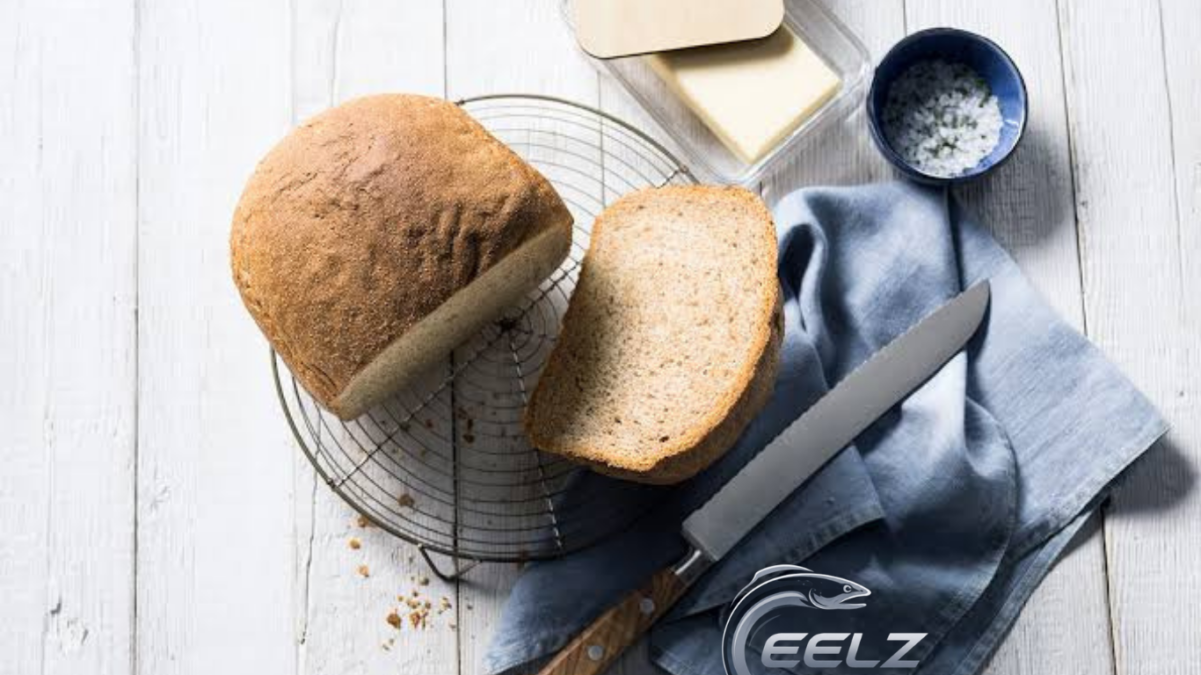
- Remove the loaf promptly. Once baking finishes, tip the loaf onto a wire rack. Let it cool completely before slicing; warm rye bread can feel gummy if cut too soon.
Tips for Success with Rye Flour
Rye flour absorbs liquid more slowly than wheat flour. The dough may look wetter at the start of the knead and firm up as the cycle progresses. Resist the urge to add large amounts of extra flour early on.
Strong white bread flour provides the gluten structure that pure rye lacks. A 50–60 % rye to white ratio (by weight) usually gives a good balance of flavour and rise. Higher rye percentages produce denser loaves that some people prefer for open sandwiches.
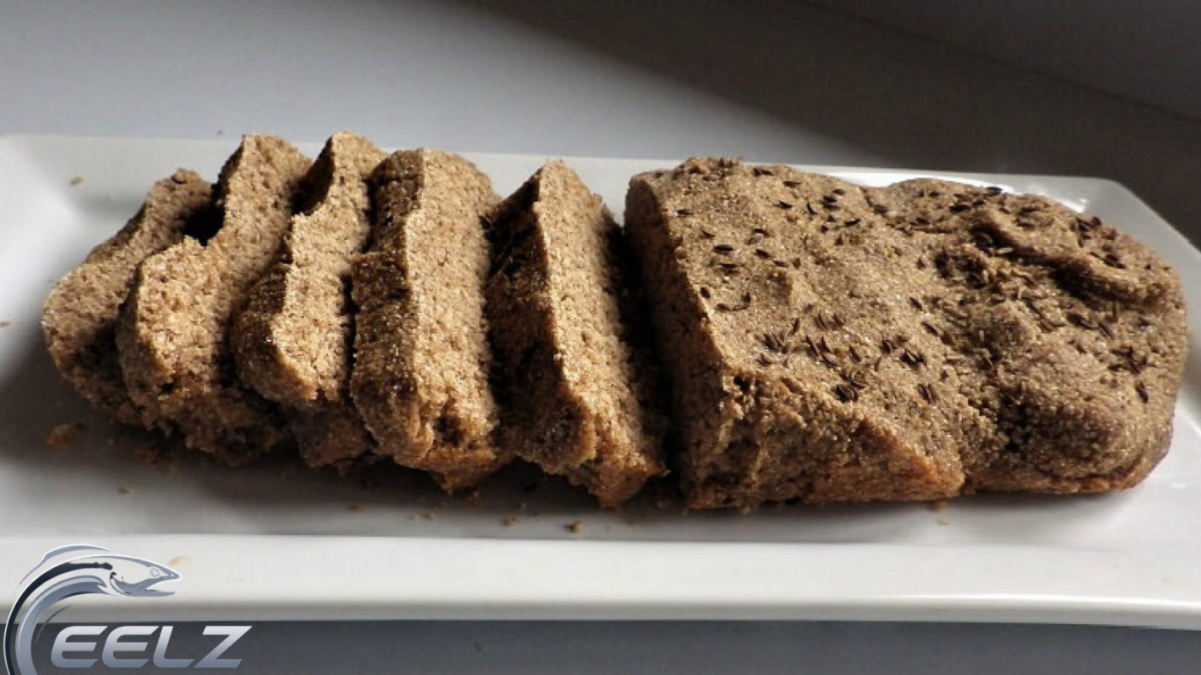
Caraway seeds are traditional in many northern European ryes and add a distinctive aromatic note. Toast them lightly beforehand if you want a deeper flavour. Cocoa powder is a quiet helper: it darkens the crumb and rounds out the rye taste without making the bread taste of chocolate.
Humidity and flour freshness affect results. On very humid days the dough may need a touch more flour; in dry conditions a little extra water can help. Always weigh ingredients when possible for accuracy.
Variations on the Basic Rye Bread Recipe for Bread Machine
For a lighter sandwich loaf, increase the white flour to 250 g and reduce the rye to 100 g. The crumb will be softer and the flavour milder.
A seeded version works well with a mixture of sunflower, pumpkin and linseeds. Add 40–50 g of mixed seeds with the dry ingredients. The loaf gains pleasant crunch and extra nutrition.
For a slightly sweeter loaf suitable for breakfast, replace the honey with an equal amount of soft brown sugar and add a handful of raisins or sultanas during the mix-in beep if your machine has one.
Those who enjoy a more traditional denser rye can raise the rye flour to 200 g and drop the white flour to 150 g. Expect a lower rise and a closer crumb; the flavour will be more pronounced.
Storage and Serving Suggestions
Once completely cool, wrap the loaf in a clean tea towel or place it in a paper bag for the first day. After that, store it in a sealed plastic bag or airtight container at room temperature for up to four days. Rye bread keeps better than many white loaves because of its higher fibre content.
For longer storage, slice the cooled loaf and freeze the slices in a freezer bag. Toast them straight from frozen when needed.
Classic pairings include salted butter and radishes, cream cheese and smoked salmon, mature cheddar with apple, or simple cold cuts. Rye also makes excellent toast for eggs or avocado. In colder months it is particularly good alongside a bowl of soup or stew.
Troubleshooting Common Issues
If the loaf collapses or has a sunken top, the dough was probably too wet or the yeast was past its best. Next time reduce the water by a tablespoon or two and check the yeast’s expiry date.
A dense, heavy crumb often means insufficient white flour or an old machine cycle that did not give enough rise time. Try the basic cycle instead of a rapid one, and ensure the yeast is active.
If the crust is too hard, select a lighter crust setting or remove the loaf a few minutes before the cycle ends and finish cooling on a rack. Some machines run hot; covering the top loosely with foil during the last 15 minutes of baking can help if your model allows it.
Quick Reference Table
| Detail | Information |
| Yield | 1 medium loaf (approx. 700–750 g) |
| Prep time | 10 minutes |
| Machine cycle | Basic or whole-wheat, 3–3½ hours |
| Main flours | Strong white + rye |
| Key flavour notes | Earthy, slightly sweet, optional caraway |
| Best served | Sliced, toasted or with savoury toppings |
| Storage | 3–4 days room temperature; freezes well |
Why This Recipe Continues to Appeal
Home bakers return to a reliable rye bread recipe for bread machine because it delivers consistent results with very little effort. The combination of convenience and distinctive flavour makes it useful for everyday sandwiches as well as more special occasions. Once the basic method is familiar, small adjustments of seeds, sweeteners or flour ratios keep the loaf interesting without requiring new techniques.
Rye bread also offers nutritional advantages over many commercial white loaves. It generally contains more fibre and has a lower glycaemic response, which many people find helpful for sustained energy. Making it at home allows control over salt, sugar and additives.
Conclusion
A well-made rye loaf from the bread machine brings both practicality and pleasure to everyday baking. The method is forgiving, the ingredients are straightforward, and the finished bread has a character that feels more substantial than ordinary sandwich bread. With a few trial runs to suit your particular machine and taste preferences, this rye bread recipe for bread machine can become a regular part of the weekly bake.