Chicken Philly Cheesesteak Recipe: A Lighter Take on Philadelphia’s Iconic Sandwich

Few sandwiches capture the spirit of a city quite like the Philly cheesesteak. Thinly sliced meat, melted cheese and soft rolls have defined Philadelphia street food for nearly a century. While the classic version relies on beef, a popular and equally satisfying alternative has earned its place on menus everywhere: the chicken Philly cheesesteak recipe. This lighter twist keeps the essential flavours and textures while offering a more approachable option for home cooks and those seeking something a little different from the traditional steak.
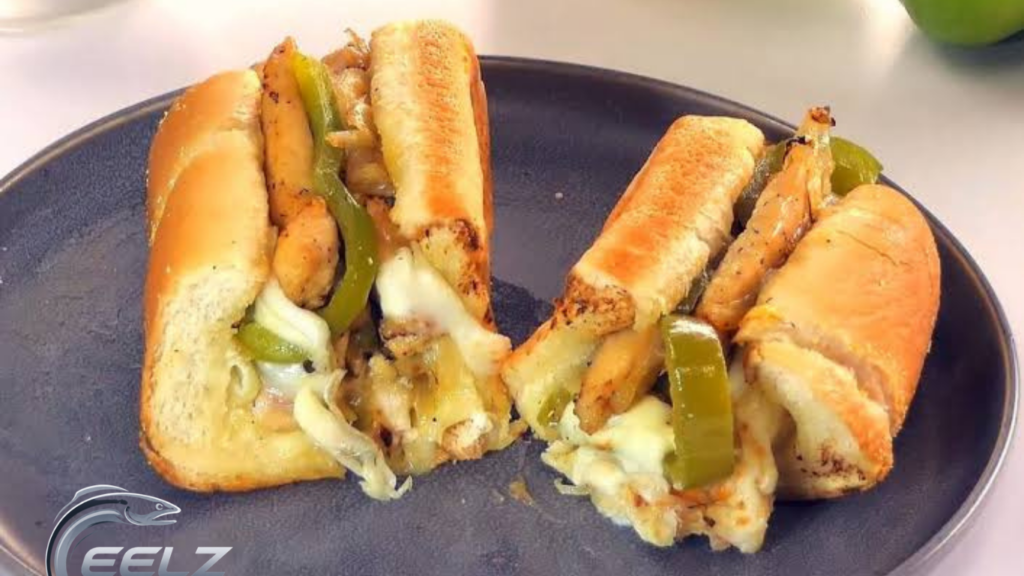
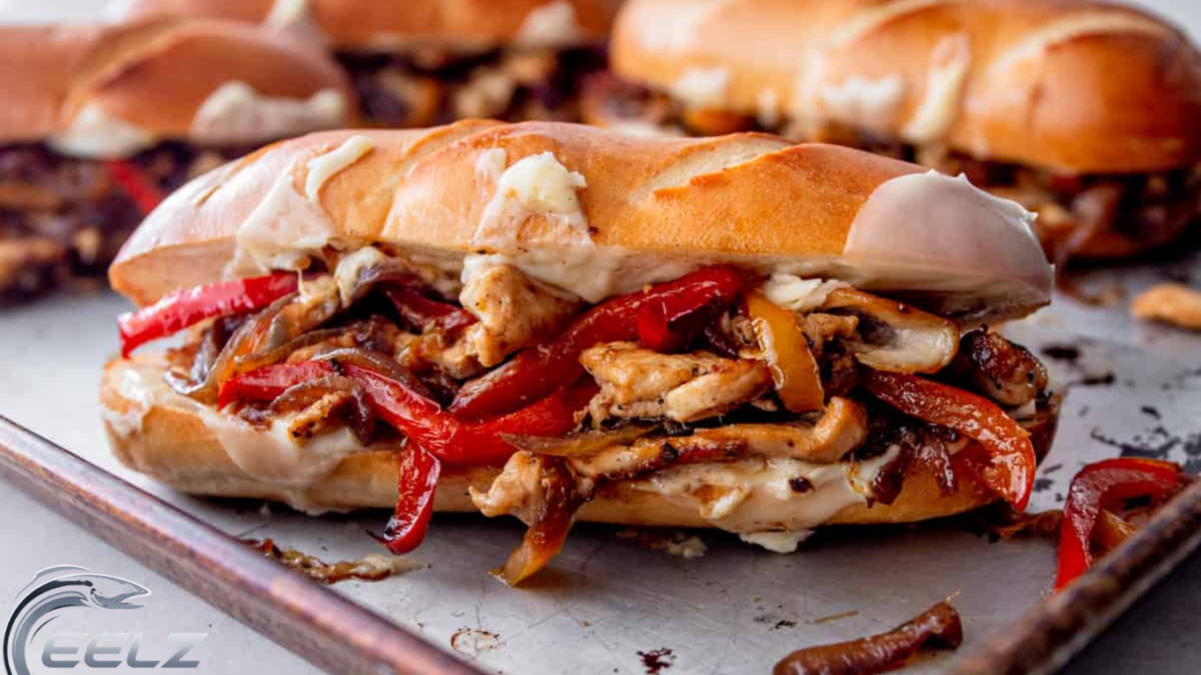
The appeal is easy to understand. Juicy chicken, sweet onions, colourful peppers and stretches of melted cheese tucked into a warm roll deliver comfort without heaviness. Whether you are recreating a favourite takeaway order or discovering the sandwich for the first time, a well-made chicken Philly cheesesteak satisfies the same craving that has kept the original alive for generations. This article explores its roots, walks through a reliable home version, and shares practical tips for getting it right every time.
Origins and Background
The story of the cheesesteak begins in South Philadelphia in the early 1930s. Italian-American brothers Pat and Harry Olivieri ran a modest hot-dog cart near the Italian Market. One day Pat grew tired of eating his own product for lunch. He sent Harry to a nearby butcher for scraps of beef. The brothers grilled the meat with onions and tucked it into a roll. A passing cab driver tried the new creation and urged them to sell it instead of hot dogs. The steak sandwich was born.
Cheese arrived later. Accounts vary slightly on the exact date, but most credit an employee known as “Cocky Joe” Lorenza with adding provolone in the 1940s at Pat’s. American cheese and the distinctive Cheez Whiz followed in subsequent decades. Pat’s King of Steaks still operates at the original location, and the friendly rivalry with Geno’s across the street has become part of local legend.
Chicken entered the picture much later. By the early 1980s some shops began offering a chicken version to meet demand from customers looking for a lower-calorie alternative. The idea spread steadily. Today the chicken Philly cheesesteak appears on menus across Philadelphia and far beyond, accepted as a legitimate variation rather than a novelty. While purists may insist on rib-eye, the chicken version has earned its own loyal following for its milder flavour and quicker cooking time.
Crafting the Perfect Chicken Philly Cheesesteak
At its core the chicken Philly cheesesteak recipe follows the same logic as the original: thinly sliced protein, cooked quickly on a hot surface, combined with onions and cheese, then piled into a soft, slightly chewy roll. Success depends less on exotic ingredients and more on technique and quality.
Ingredients for four sandwiches
- 600–700 g boneless, skinless chicken breasts or thighs
- 2 medium onions, thinly sliced
- 1–2 bell peppers (green, red or a mix), thinly sliced
- 8–12 slices provolone, white American cheese or a combination
- 4 soft hoagie or Italian-style rolls
- 2–3 tablespoons neutral oil or butter
- Salt, black pepper, and optional garlic powder or a pinch of paprika
Partially freezing the chicken for 20–30 minutes makes thin slicing far easier. Aim for pieces roughly the thickness of a coin. Season lightly just before cooking.
Heat a large heavy skillet or griddle over medium-high heat. Cook the onions and peppers first until soft and lightly caramelised, then set them aside. Add a little more fat to the pan and cook the chicken in batches so it browns rather than steams. Once the chicken is nearly cooked through, return the vegetables to the pan, toss everything together, and season to taste.
Divide the mixture into four long piles roughly the length of the rolls. Lay cheese slices over each pile and cover the pan briefly so the cheese melts. Split the rolls, warm them if desired, and use a spatula to scoop the cheesy chicken mixture inside. Serve immediately.
This method produces a sandwich that is moist, flavourful and properly balanced. Overcooking the chicken is the most common pitfall; it should remain tender. The roll matters more than many realise. A soft yet sturdy Italian-style roll that can absorb juices without falling apart is ideal. Authentic Amoroso rolls are traditional in Philadelphia, but any good bakery hoagie or sub roll works well at home.
Tips, Variations and Common Pitfalls
Several small choices elevate a good chicken Philly cheesesteak into an excellent one. Cooking the onions slowly enough to develop sweetness without burning them adds depth. Some cooks prefer to keep the chicken in larger pieces rather than finely chopping it, preserving more texture. Others chop aggressively on the griddle for a more traditional “frizzled” appearance.
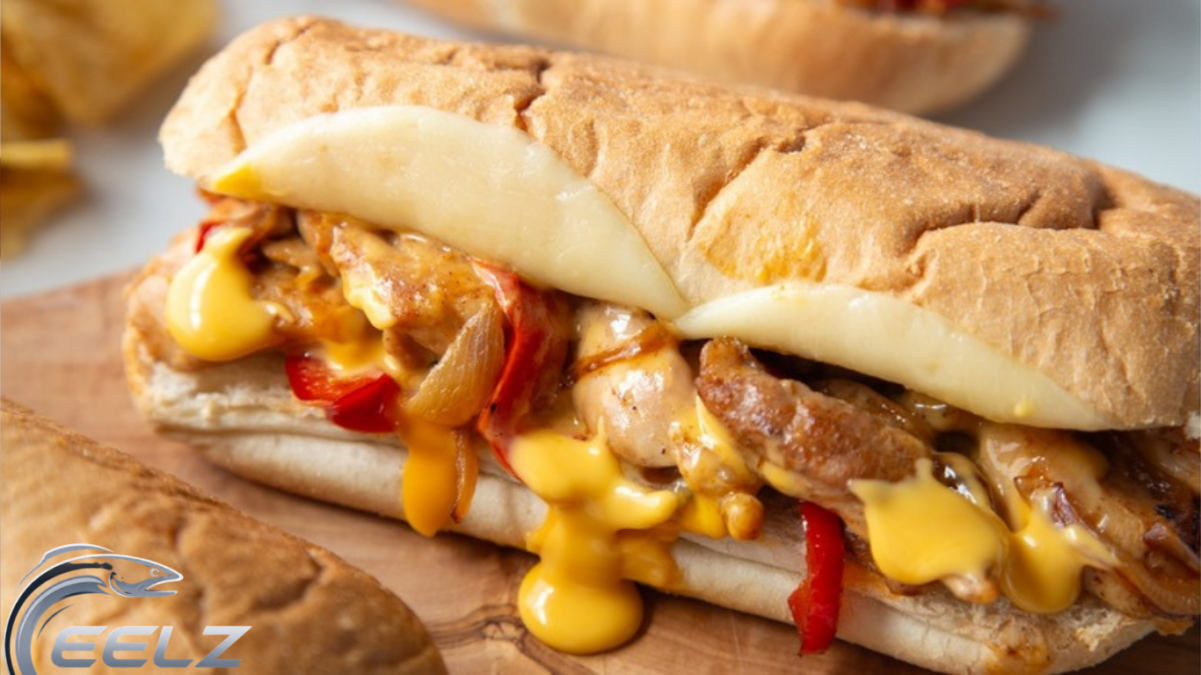
Cheese preference divides opinion even among chicken-sandwich fans. Provolone offers a mild, stretchy melt. White American cheese delivers creaminess. A few home cooks experiment with a light drizzle of cheese sauce for a Whiz-like effect, though slices remain the most practical option for most kitchens. Peppers are optional; classic beef versions often omit them, but they pair especially well with chicken and add colour and mild sweetness.
Popular variations include a Buffalo-style version finished with hot sauce and a sprinkle of blue cheese, or a mushroom-heavy version for extra savouriness. Some cooks add a light brush of garlic butter to the rolls before filling. Whatever route you choose, resist the urge to overload the sandwich. Balance is everything.
The main challenges at home are heat management and timing. A crowded pan lowers the temperature and steams the ingredients. Working in batches and keeping the heat high enough to brown the chicken without drying it out solves most problems. If the cheese refuses to melt fully, a brief moment under a hot grill (broiler) or a lid over the pan usually finishes the job.
Quick Facts
| Detail | Information |
| Full Name | Chicken Philly Cheesesteak (Chicken Cheesesteak) |
| Origin | Variation of the Philadelphia cheesesteak |
| Classic Inventor | Pat and Harry Olivieri (beef version, early 1930s) |
| Cheese Introduction | 1940s–1950s |
| Chicken Version Rise | Popular from the 1980s onwards |
| Core Ingredients | Thinly sliced chicken, onions, cheese, roll |
| Typical Cheese Options | Provolone, American, Cheez Whiz |
| Serving Style | Hot, on a long soft roll |
| Regional Status | Widely available variation of a Philadelphia icon |
Legacy and Lasting Appeal
The chicken Philly cheesesteak recipe demonstrates how a regional classic can evolve without losing its identity. The original sandwich remains a point of civic pride in Philadelphia, tied to specific shops, neighbourhoods and ordering traditions. The chicken version extends that tradition to a broader audience, including people who prefer poultry or simply want a slightly lighter meal.
Its influence appears in home kitchens, sports bars, food trucks and restaurant specials across the United Kingdom and beyond. The sandwich rewards simple techniques and good ingredients rather than complicated methods. In that sense it carries forward the practical spirit of the Olivieri brothers’ original innovation: take what is available, cook it well, and serve it in a form that people actually want to eat.
Public perception treats the chicken version as a legitimate member of the cheesesteak family rather than a compromise. That acceptance speaks to the flexibility of the form itself. As long as the meat is thin and well-seasoned, the cheese melts properly, and the roll holds everything together, the sandwich continues to satisfy.
Conclusion
The chicken Philly cheesesteak recipe offers a direct, rewarding way to enjoy one of America’s most recognisable sandwiches at home. It respects the history that began with a hot-dog cart in South Philadelphia while making sensible adjustments for modern tastes and kitchens. With a sharp knife, a hot pan and a few quality ingredients, anyone can produce a sandwich that feels both familiar and freshly made.