Chilean Steelhead Trout vs Salmon: A Clear Guide to Flavour, Nutrition and Choosing Well

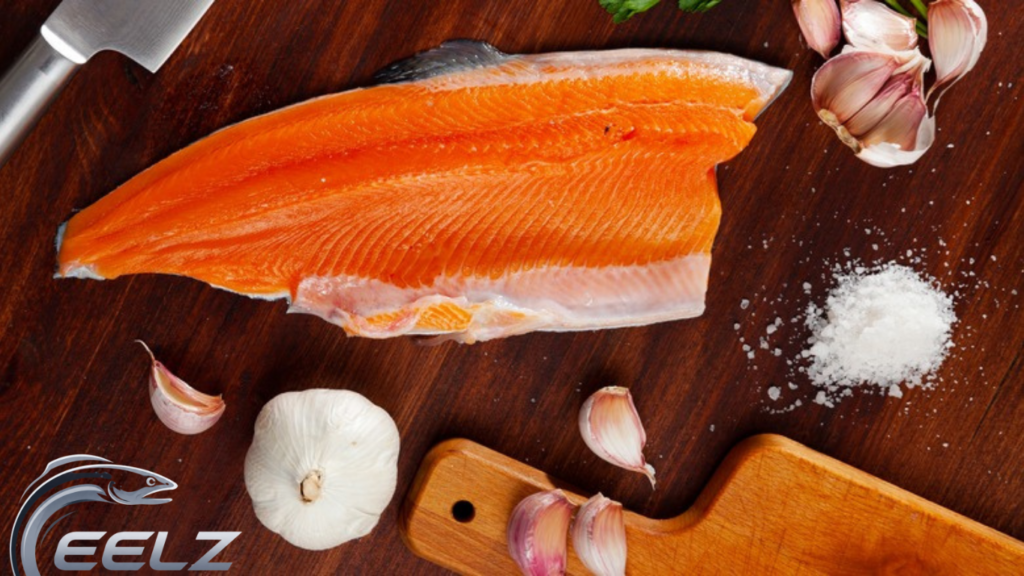
When shopping for oily fish, many people pause between Chilean steelhead trout and salmon. Both appear in supermarket counters with pink-orange flesh, similar pricing in some cases, and claims of heart-healthy omega-3s. Yet they are not the same fish. Understanding the differences helps you choose according to taste preference, budget, cooking method and values around sustainability.
Chile has become a major global supplier of both. The country’s cool southern waters and fjords support large-scale aquaculture of Atlantic salmon and of rainbow trout marketed as steelhead. This guide focuses on those farmed products most commonly available in the UK and elsewhere, while noting the biological distinctions that set the species apart.
What Exactly Are Chilean Steelhead Trout and Salmon?
Steelhead trout is the anadromous (sea-going) form of rainbow trout, Oncorhynchus mykiss. In the wild, these fish hatch in freshwater rivers, migrate to the ocean to feed and grow, then return to spawn. Unlike Pacific salmon, steelhead can survive spawning and return to the sea more than once, although many do not. Farmed Chilean “steelhead” is typically rainbow trout raised in marine net pens after an initial freshwater stage. The name reflects the silvery appearance and ocean-rearing phase that produces larger, more salmon-like fish than purely freshwater rainbow trout.
Salmon, by contrast, covers several species. The salmon most often sold from Chilean farms is Atlantic salmon, Salmo salar. Pacific species such as Chinook, coho and sockeye are less common from Chilean production. Pacific salmon are generally semelparous: they spawn once and die. Atlantic salmon, like steelhead, are capable of spawning more than once.
Both belong to the Salmonidae family and share anadromous life histories in the wild. The practical result for consumers is that Chilean steelhead trout and farmed Atlantic salmon look and cook in similar ways, yet differ in fat content, flavour intensity and subtle nutritional profiles.
Appearance and Texture on the Plate
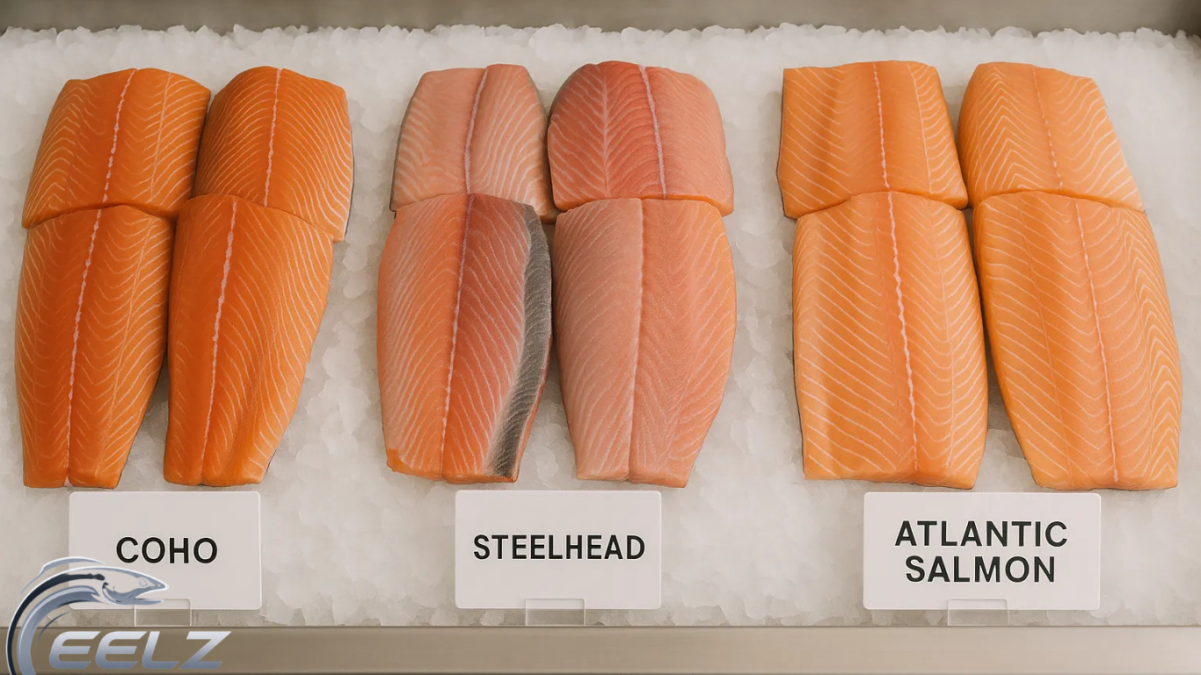
Raw fillets of Chilean steelhead trout and Atlantic salmon can be hard to tell apart at a glance. Both display orange-to-pink flesh whose colour intensifies with feed that includes carotenoids such as astaxanthin. Steelhead flesh is often described as slightly lighter or more delicate in hue than the deeper red of many salmon fillets. The muscle texture of steelhead tends to be a little softer and more delicate, while salmon, especially higher-fat specimens, feels firmer and more substantial.
Whole fish differences are clearer to anglers. Steelhead usually show a more pronounced pink lateral stripe and white gums. Pacific salmon often have darker gums and differently shaped tails. Once filleted and skinned, these markers disappear, so packaging labels become the reliable guide.
Taste: Milder Trout or Richer Salmon?
Flavour is where many people notice the clearest distinction. Chilean steelhead trout offers a milder, sweeter taste with less of the pronounced “fishy” note some associate with salmon. The texture is flaky yet soft, and the overall impression is often compared to a cross between classic rainbow trout and a lighter salmon. This makes steelhead an appealing option for those who find stronger salmon too rich or who prefer subtler seasonings.
Farmed Atlantic salmon, by comparison, delivers a richer, more buttery flavour and higher oiliness. Fat content varies with feed and farming conditions, but salmon generally carries more of the luxurious mouthfeel that makes it popular for grilling, roasting and smoking. Wild Pacific salmon can be even more assertive, though Chilean farmed product dominates many markets.
Cooking methods overlap almost completely. Both respond well to pan-searing, baking, grilling, poaching and curing. Steelhead’s slightly lower fat content means it can cook a little faster and benefits from careful timing to avoid drying out. Salmon’s higher oil content gives a greater margin for error and produces a more forgiving result when high heat is used.
Nutrition Side by Side
Both fish are excellent sources of high-quality protein and long-chain omega-3 fatty acids (EPA and DHA). Exact figures vary with diet, farming practices and whether the fish is wild or farmed, but typical comparisons show clear patterns.
Per roughly 100 g cooked portion, steelhead trout often provides around 20–21 g protein and 8 g fat, with solid amounts of vitamin B12, vitamin D and vitamin E. Salmon typically contains slightly more protein in some analyses, higher total fat (often 12 g or more) and correspondingly higher omega-3 levels. Salmon may also edge ahead in selenium.
Steelhead is frequently lower in calories and saturated fat. Both are considered low-mercury options by regulatory bodies, though measured levels can differ slightly between samples. Neither is a significant source of carbohydrates. The practical takeaway is that both support heart and brain health when eaten regularly as part of a balanced diet; the choice between them is rarely driven by major nutritional gaps.
Chilean producers have invested in feed innovation for steelhead, including algae oils and insect proteins in some operations. These approaches can improve the omega-3 profile while reducing reliance on wild-caught fishmeal, narrowing nutritional differences with premium salmon.
Farming, Origin and Sustainability in Chile
Chile ranks among the world’s leading producers of farmed salmonids. Atlantic salmon dominates output, followed by coho salmon and rainbow trout/steelhead. Production occurs mainly in marine net pens in the southern regions, where cool, oxygen-rich waters suit these species. Rainbow trout were introduced to Chile in the late nineteenth and early twentieth centuries and have established both farmed and some wild populations.
Sustainability records for Chilean aquaculture have improved under pressure from buyers, NGOs and regulators, yet challenges remain. Issues have included sea-lice management, antibiotic use in earlier periods, escapes, and local environmental impacts on benthic habitats. Certifications such as Best Aquaculture Practices (BAP) and Aquaculture Stewardship Council (ASC) help identify better-performing farms. Some steelhead operations emphasise lower energy needs or alternative feeds as advantages over salmon in certain conditions.
Wild steelhead populations elsewhere face conservation pressures, so most commercial supply is farmed. Consumers concerned about environmental footprint should look for third-party certifications, prefer frozen product when fresh supply chains are long, and consider overall dietary patterns rather than single purchases.
Price, Availability and Practical Choices
In many markets Chilean steelhead trout sells at a modest discount to equivalent salmon portions. Availability of steelhead can be more consistent year-round because production cycles differ from those of some salmon species. Both appear fresh, frozen and in value-added forms such as smoked or pre-portioned fillets.
For everyday cooking, steelhead works especially well when you want a milder fish that pairs with herbs, citrus, light sauces or Asian-inspired seasonings. Salmon shines when the dish benefits from richness—think miso glazes, creamy sauces, or simple salt-and-pepper high-heat searing that renders the fat. Both freeze well and retain quality when thawed properly in the refrigerator.
Chilean Steelhead Trout vs Salmon: Making the Decision
The comparison of Chilean steelhead trout vs salmon ultimately rests on personal preference more than absolute superiority. Steelhead delivers a gentler flavour, often lower fat and competitive nutrition at a potentially lower price. Salmon provides the classic richer taste and higher oil content that many people seek. Both are versatile, nutrient-dense proteins produced at scale in Chile’s southern waters.
Conclusion
When labels are clear and farms carry credible certifications, either choice supports a healthy diet. Taste a side-by-side preparation if you have the chance: the difference is noticeable yet complementary rather than hierarchical. Whether you favour the delicate character of steelhead or the buttery depth of salmon, both fish reward careful cooking and thoughtful sourcing.