Hugo Spritz Cocktail: The Floral, Refreshing Star of Summer Aperitivo

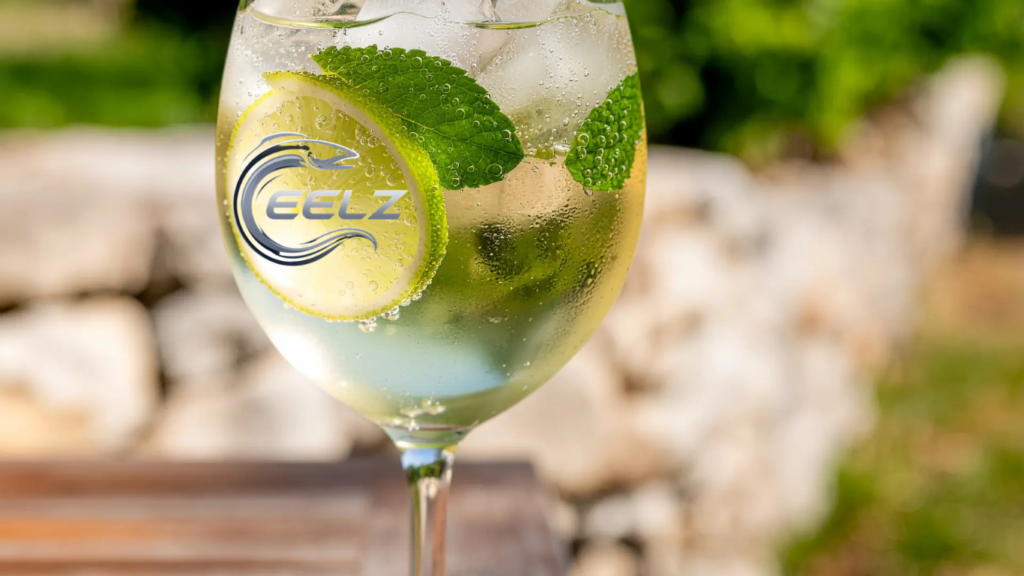
The Hugo Spritz has emerged as one of the most delightful modern classics in the world of cocktails. Light, effervescent, and bursting with floral and herbal notes, this Italian creation offers a refreshing alternative to bolder, bitter spritzes. Its gentle sweetness and crisp finish make it perfectly suited to warm evenings, garden gatherings, or relaxed afternoons in the sun.
What began as a regional speciality in the Italian Alps has quietly conquered bars across Europe and beyond. With its elegant simplicity and Instagram-friendly presentation—complete with vibrant mint sprigs and a slice of lime—the Hugo Spritz captures the effortless charm of Italian aperitivo culture. As drinkers seek lighter, more nuanced options, this cocktail continues to gain devoted fans who appreciate its balance and approachability.
The Origins of the Hugo Spritz
The Hugo Spritz traces its roots to 2005 in Naturno (Naturns), a small town in South Tyrol, the Alpine region of Northern Italy near the Austrian border. Bartender Roland Gruber, working at San Zeno Wine & Cocktail Bar, sought a lighter, less bitter alternative to the popular Aperol Spritz (also known as Spritz Veneziano).
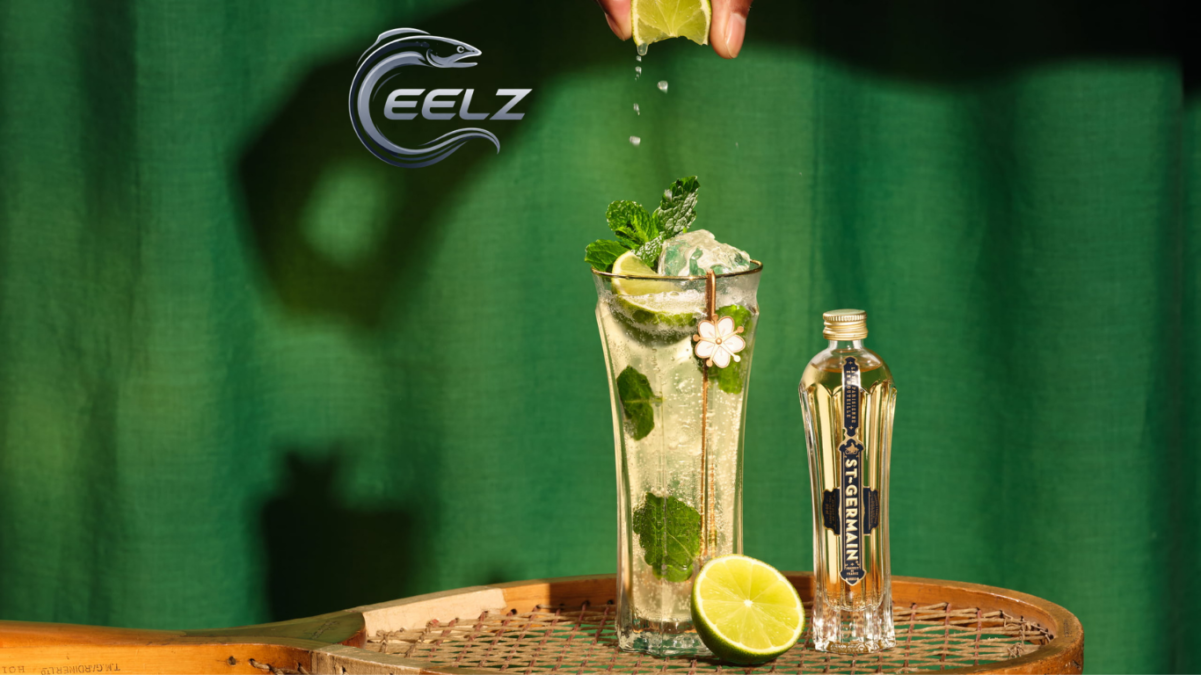
Gruber initially experimented with lemon balm syrup (melissa), a local herbal ingredient, combined with Prosecco, sparkling water, and fresh mint. He reportedly first considered naming it the “Otto” before settling on “Hugo,” a name chosen somewhat at random because it simply sounded better. As the drink gained traction, elderflower syrup—more readily available in the region—replaced the lemon balm, and the modern version often features elderflower liqueur such as St-Germain for consistency and added depth.
This evolution reflects the practical ingenuity of Alpine bartenders, who have long incorporated local botanicals into drinks. The Hugo quickly spread from South Tyrol to neighbouring Austria, Germany, and other parts of Italy, becoming a staple in the aperitivo tradition.
Early Popularity and Regional Rise
In its early years, the Hugo Spritz remained largely a hidden gem of the Dolomites and surrounding areas. It appealed to those seeking something fresher and more floral than the vibrant orange Aperol Spritz. The drink’s lower bitterness and aromatic profile from mint and elderflower made it an ideal summer sipper, often enjoyed before dinner to stimulate the appetite.
Its spread was organic, passed along by locals, tourists, and word of mouth. By the late 2010s, it had established itself firmly in Central Europe. The introduction of convenient elderflower liqueurs helped standardise recipes for bars and home enthusiasts alike, contributing to its steady growth.
Breakthrough and Global Appeal
The Hugo Spritz experienced a significant surge in popularity in the early 2020s, accelerated by social media, post-pandemic travel, and a broader interest in low-ABV cocktails. TikTok videos and Instagram posts showcasing its beautiful presentation helped propel it into the spotlight, with many declaring it a top contender for “drink of the summer.”
Search interest and menu appearances soared, particularly in the UK, US, and across Europe. Its timing was perfect: as drinkers moved towards lighter, more sessionable drinks, the Hugo offered an accessible entry point. Unlike heavier cocktails, its modest alcohol content (typically around 8-10% ABV depending on proportions) makes it suitable for daytime or extended sipping without overwhelming the palate.
The Classic Hugo Spritz Recipe
Making a Hugo Spritz at home is wonderfully straightforward, embodying the spirit of effortless Italian hospitality. Here is a standard recipe for one serving:
Ingredients:
- Ice cubes
- 3 oz (90 ml) chilled Prosecco
- 2 oz (60 ml) elderflower liqueur (such as St-Germain) or elderflower syrup (adjust to taste)
- Soda water or sparkling mineral water, to top
- Fresh mint sprigs (slap them to release aroma)
- Lime or lemon slice/wedge, for garnish
Method:
- Fill a large wine glass generously with ice.
- Add the elderflower liqueur or syrup.
- Pour in the Prosecco.
- Top with soda water and stir gently to combine.
- Garnish with a generous sprig of mint and a slice of lime or lemon.
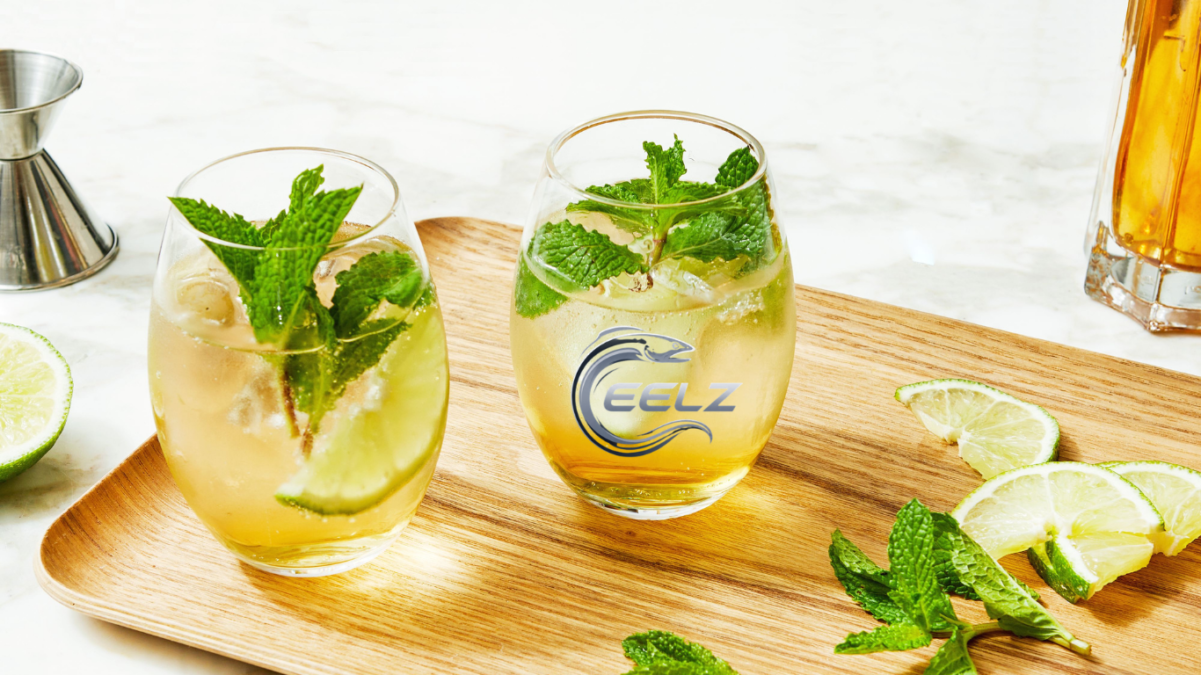
Variations exist: some prefer muddling mint leaves lightly at the base, while others experiment with lemon balm syrup for a more herbal note closer to the original. Proportions can be adjusted to personal taste—many follow a loose 3-2-1 ratio of Prosecco, elderflower, and soda.
Personal Touches and Variations
While the core remains consistent, bartenders worldwide have added creative twists. Some incorporate a splash of gin or cucumber for extra botanical layers, while others play with different sparkling wines or herb garnishes. The drink’s versatility allows it to pair beautifully with light Mediterranean fare, salads, or seafood.
Its floral, honeyed elderflower notes complement the crisp acidity of Prosecco and the bright lift of citrus and mint, creating a harmonious, refreshing profile that feels both sophisticated and unfussy.
Cultural Significance and Lasting Appeal
The Hugo Spritz represents more than just a recipe; it embodies the evolution of aperitivo culture in the 21st century. Rooted in regional Italian traditions yet open to adaptation, it highlights how simple, high-quality ingredients can create something timeless. Its rise also reflects shifting preferences towards drinks that prioritise flavour and refreshment over potency.
In South Tyrol and beyond, it remains a beloved local favourite, while globally it stands as a symbol of joyful, sun-drenched moments. Roland Gruber himself has reportedly not profited enormously from its success, instead continuing hospitality work, adding a humble charm to the story.
Quick Facts
| Detail | Information |
| Full Name | Hugo Spritz (or Hugo) |
| Date of Creation | 2005 |
| Place of Origin | Naturno, South Tyrol, Italy |
| Primary Ingredients | Prosecco, elderflower liqueur/syrup, soda water, mint, lime |
| Alcohol Content | Low (approx. 8-11% ABV) |
| Known For | Floral, refreshing summer aperitivo |
| Estimated Popularity | Global modern classic, viral on social media |
Conclusion
The Hugo Spritz has carved a distinctive place in cocktail history by offering an elegant, lighter counterpoint to more intense classics. Its influence extends to inspiring new generations of drinkers to explore elderflower and herbal profiles, while reinforcing the social ritual of aperitivo. In an era of fleeting trends, its sustained appeal lies in its genuine deliciousness and simplicity.
It reminds us that great drinks often come from humble, creative moments— a bartender looking to offer something different, using what grows nearby.