The Ultimate Philadelphia Cheesecake Recipe: Creamy, Classic and Foolproof

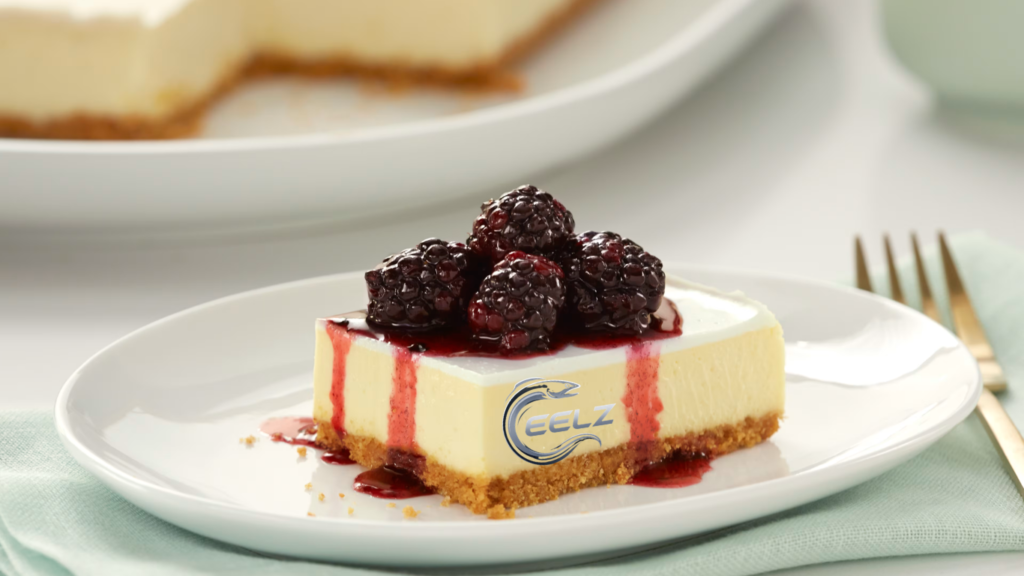
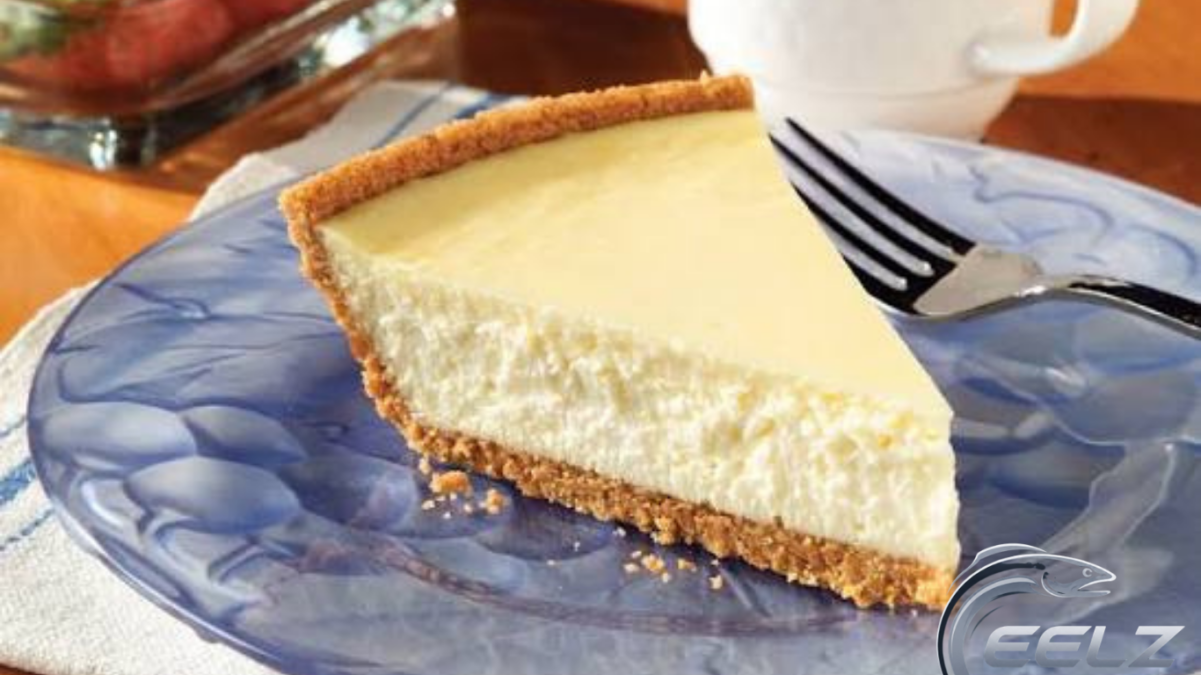
Few desserts capture pure indulgence quite like a proper Philadelphia cheesecake recipe. Smooth, rich and just the right side of tangy, this baked classic has earned its place on dinner tables, celebration spreads and quiet Sunday afternoons for generations. Made with the full-fat cream cheese that shares its name, it delivers that signature dense yet silky texture bakers and diners keep returning to.
Whether you are preparing it for a special occasion or simply because the craving has struck, the Philadelphia cheesecake recipe remains one of the most reliable and rewarding bakes in the home cook’s repertoire. Its appeal lies in the balance of simplicity and sophistication: a crisp biscuit base, a carefully mixed filling, and enough resting time to let the flavours settle into something truly memorable.
The Origins of Philadelphia Cream Cheese and Its Cheesecake
Philadelphia Cream Cheese was never actually produced in the city that bears its name. In the late nineteenth century a New York dairyman, William Lawrence, developed a richer version of the French Neufchâtel cheese. A distributor suggested branding it “Philadelphia” to associate it with the high-quality dairy produce then linked to that city. The name stuck, the product spread, and by the mid-twentieth century Kraft had turned it into a household staple.
Cheesecake itself has far older roots. European immigrants brought versions made with cottage cheese or curd to America. Once cream cheese became widely available, bakers in New York began substituting it, creating the dense, creamy style now known as New York cheesecake. Philadelphia’s consistent texture and mild tang made it the preferred brand for home and professional kitchens alike. Recipes featuring the cream cheese appeared in magazines and advertisements from the 1930s onwards, cementing its place in everyday baking.
In Britain the recipe adapted naturally. Digestive biscuits replaced graham crackers, caster sugar took the place of granulated in many kitchens, and the same reliable Philadelphia blocks or tubs (full-fat only) remained the star ingredient. The result is a dessert that feels both familiar and distinctly luxurious.
Crafting the Perfect Philadelphia Cheesecake Recipe
A successful Philadelphia cheesecake recipe rests on a few non-negotiable principles: room-temperature ingredients, gentle mixing, and patience during cooling and chilling. Rush any of these and the texture suffers.
Ingredients (makes one 23 cm / 9-inch cheesecake, 12–16 slices)
For the base:
200 g digestive biscuits, crushed
75 g unsalted butter, melted
1 tablespoon caster sugar (optional)
For the filling:
900 g full-fat Philadelphia cream cheese, softened
200 g caster sugar
1 teaspoon vanilla extract
4 large eggs, at room temperature
Optional but recommended: 150–200 ml sour cream or crème fraîche for extra silkiness, and 1–2 tablespoons plain flour for stability
Method
Preheat the oven to 160 °C fan / 180 °C conventional / Gas Mark 4. Lightly grease a 23 cm springform tin and line the base with baking parchment.
Crush the biscuits to fine crumbs, either in a food processor or in a sealed bag with a rolling pin. Mix thoroughly with the melted butter and sugar until the texture resembles wet sand. Press firmly and evenly into the base of the tin, building a slight rim up the sides if preferred. Chill while you prepare the filling.
In a large bowl beat the softened cream cheese with the sugar and vanilla until completely smooth and free of lumps. Scrape down the sides frequently. Add the eggs one at a time on low speed, mixing only until each is incorporated. Over-beating incorporates too much air and can lead to cracks. If using sour cream and flour, fold them in gently at this stage.
Common Pitfalls and How to Avoid Them
Even experienced bakers encounter the occasional crack or dense patch. The usual culprits are cold ingredients, over-mixing, or sudden temperature changes. Always bring the cream cheese and eggs to room temperature—two hours on the counter is ideal. Mix on low speed and stop the moment everything is combined. A water bath is optional for this style of recipe; many home cooks achieve excellent results without one by following the slow-cool method.
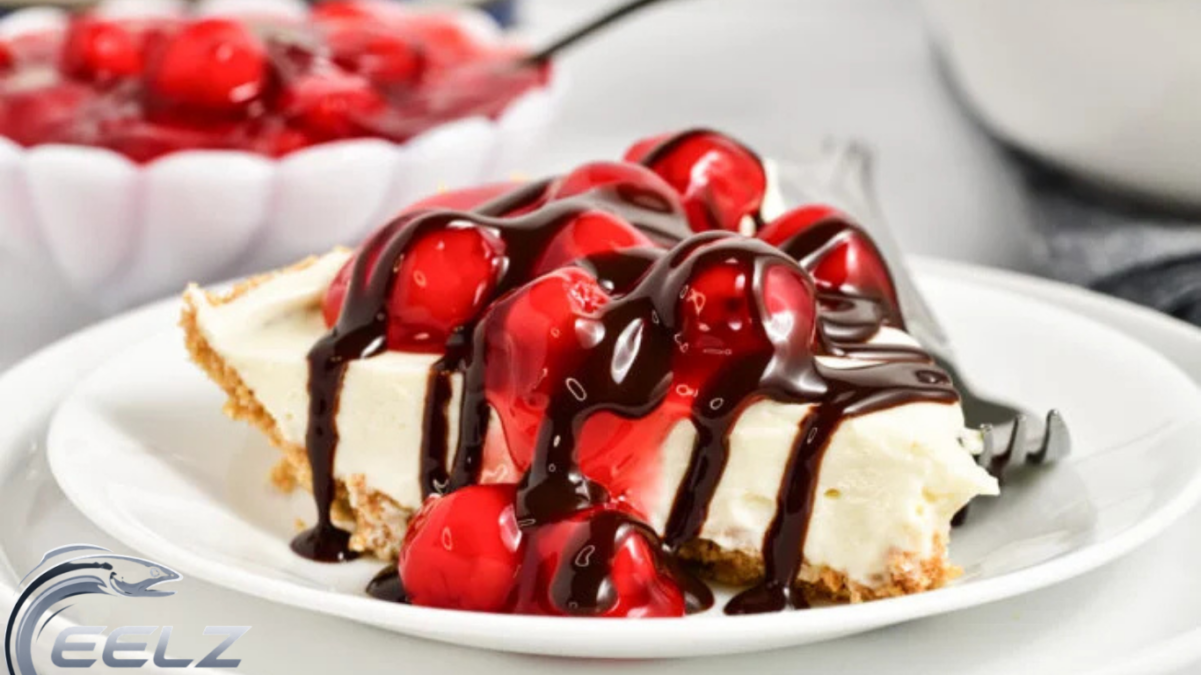
If the surface does crack, a simple topping of lightly sweetened sour cream, fresh berries or a glossy fruit compote covers any imperfections and adds another layer of flavour. Leftovers keep well in the refrigerator for up to five days, covered.
Variations and Serving Ideas
Once the classic Philadelphia cheesecake recipe is mastered, variations come easily. A swirl of lemon curd or passion-fruit pulp before baking adds brightness. Chocolate lovers melt 100 g of dark chocolate into a portion of the filling for a marble effect. In summer, top with macerated strawberries or a mixed-berry compote; in winter, a spiced apple or poached pear topping feels seasonal.
For a no-bake version popular in many British kitchens, omit the eggs, whip double cream into the sweetened cream cheese, and set the mixture in the refrigerator. The baked version, however, remains the gold standard for texture and keeping quality.
Serve in generous slices with a drizzle of double cream or a spoonful of crème fraîche. A dusting of icing sugar and a few fresh mint leaves make an elegant presentation for guests.
Quick Recipe Facts
| Detail | Information |
| Prep Time | 25–30 minutes |
| Cook Time | 50–60 minutes |
| Chilling Time | 4 hours minimum (overnight best) |
| Yield | 12–16 slices |
| Key Ingredient | Full-fat Philadelphia cream cheese |
| Base | Digestive biscuits |
| Oven Temperature | 160 °C fan / 180 °C conventional |
| Storage | Refrigerate up to 5 days |
| Freezing | Possible (wrap well) for 1–2 months |
Why This Recipe Endures
The Philadelphia cheesecake recipe has lasted because it delivers consistent pleasure with relatively little fuss. It requires no special equipment beyond a springform tin and an electric mixer, yet the finished result feels celebratory. Home bakers appreciate the forgiving nature of the method once the basic rules are understood. Professional pastry chefs still turn to the same brand for reliability.
Its cultural reach is equally broad. From New York delis to British tea tables, the dessert travels well. It appears at birthdays, Christmas gatherings and quiet midweek treats alike. The brand’s long association with quality has kept the name synonymous with the best versions of the cake.
There is also something quietly satisfying about the process itself. The methodical crushing of biscuits, the careful incorporation of eggs, the long wait while the cheesecake sets—these steps encourage a slower pace that many modern cooks find restorative.
Conclusion
A well-made Philadelphia cheesecake recipe remains one of the most dependable routes to a show-stopping dessert. With its crisp base, dense creamy filling and clean vanilla flavour, it rewards careful technique without demanding professional skill. Follow the simple guidelines of room-temperature ingredients, gentle mixing and patient cooling, and the results will speak for themselves.